Connecting BBIN nations through power India’s evolving role in regional grids and OSOWOG
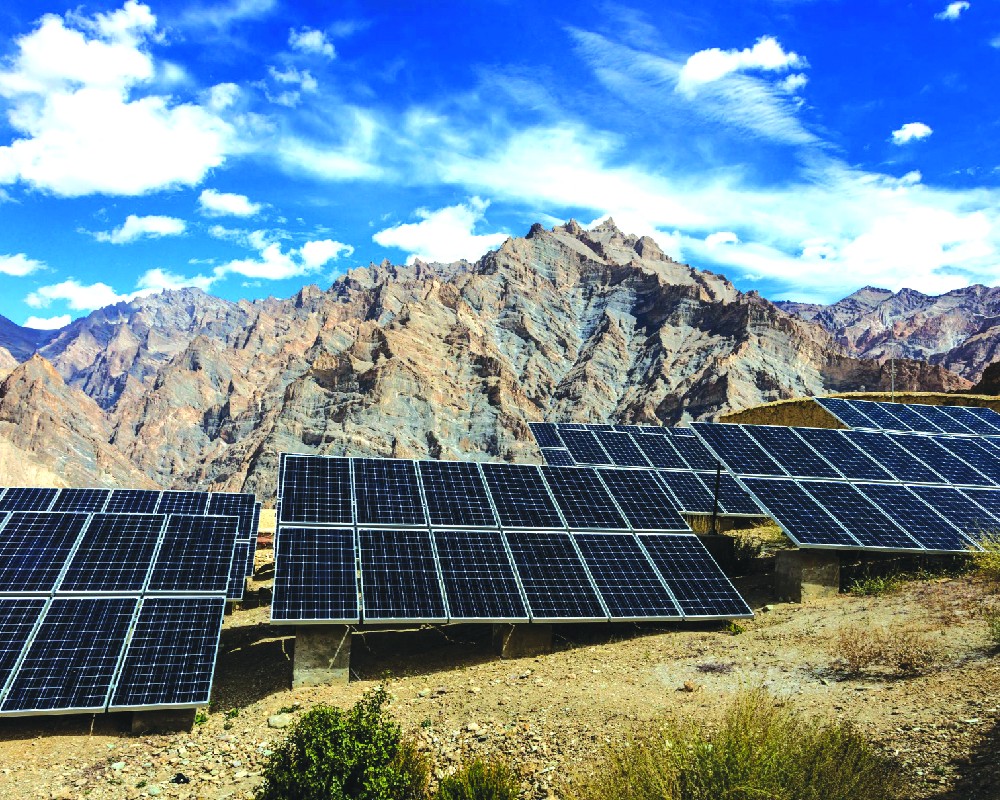
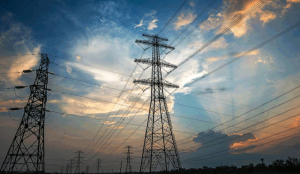
India is rapidly emerging as a regional hub for clean energy and is positioning itself to shape the future of international green-power cooperation through the One Sun One World One Grid (OSOWOG) initiative. Hosting the headquarters of the International Solar Alliance (ISA) in New Delhi further reinforces India’s leadership. While OSOWOG often evokes images of long undersea cables connecting continents, the practical foundations of this vision are taking shape much closer to home. Over the past decade, India has developed a strong network of cross-border electricity links with Bhutan, Nepal, Bangladesh and to a smaller extent, Myanmar. Some of these corridors are mature, while others are expanding steadily, but together they form the real building blocks of the OSOWOG vision.
Among these partnerships, Bhutan stands out as the most successful example of regional clean-energy cooperation. India and Bhutan have jointly developed several hydropower projects, financed and executed largely with Indian support, while ensuring long-term economic benefits for Bhutan. Every year, over 2,000 MW of surplus hydropower flows into India through highly reliable transmission corridors, delivering several thousand gigawatt-hours of firm, clean energy. These hydropower imports are increasingly valuable as India’s solar and wind capacities grow. In many ways, India’s energy partnership with Bhutan mirrors what OSOWOG ultimately aims to achieve: clean energy generated in resource-rich regions flowing seamlessly to regions with higher demand.
Nepal is emerging as another important pillar of India’s regional energy strategy. With vast untapped hydropower resources, Nepal is rapidly expanding its generation capacity. India and Nepal are working to enhance cross-border connectivity, particularly through 400 kV transmission corridors that will facilitate larger, two-way electricity flows. Nepal’s seasonal generation profile complements India’s
renewable mix. Nepal has a surplus during the monsoon months when India’s solar output declines, while India can supply Nepal during its dry season, especially in the high-solar months of March to May. This natural balancing effect reflects the very logic of interconnected green grids. For OSOWOG planners, Nepal is not just a neighbour but a long-term strategic partner whose role will expand as more hydropower stations and cross-border links are commissioned.
Bangladesh provides another successful example of dependable cross-border electricity cooperation. The India-Bangladesh power exchange has matured into a stable commercial arrangement. Multiple interconnections, including a 400 kV double-circuit line and an HVDC back-to-back system, support reliable flows ranging from about 600 MW to more than 1,100 MW. What makes this corridor noteworthy is the sophistication of its operational processes. Scheduling, settlements, billing, load management and dispute resolution are carried out efficiently and transparently.
Such institutional maturity is crucial because OSOWOG will ultimately require similar regional market mechanisms operating at a much larger scale. The Bangladesh partnership demonstrates that predictable, rule-based cross-border electricity trade is practical and sustainable.
Further east, India’s power engagement with Myanmar is limited but strategically relevant. Myanmar is the only land route through which India could eventually link its grid with Southeast Asia. A proposed 500 MW HVDC link between Imphal and Tamu could, in the long run, serve as a gateway for broader South Asia-ASEAN energy cooperation.
However, Myanmar’s internal situation has deteriorated significantly since the 2021 military takeover. Power generation has declined, infrastructure has suffered, investor confidence has collapsed and several thermal and renewable plants operate well below capacity. At present, only a small supply from India to Tamu remains operational. Myanmar therefore remains a long-term prospect rather than an immediate contributor to OSOWOG.
Another important proposal is the India-Sri Lanka HVDC interconnection involving around 285 kilometres of overhead and undersea cable. If implemented, it would mark a major step in regional clean-energy integration, enabling exchange of renewable electricity between the two countries depending on seasonal availability and demand. However, undersea HVDC links require extensive environmental, technical, economic and regulatory assessments. While promising, this project remains a medium-term goal.
India’s clean-energy vision under OSOWOG extends beyond South Asia, with exploratory plans for multi-gigawatt HVDC links to the Gulf region, especially the UAE. These long-distance corridors could enable India to export daytime surplus solar power and import firm power during evening peaks, making use of complementary resource profiles and time-zone differences. However, such projects demand strong political commitment, long-term coordination and significant investment.
Crucially, OSOWOG is not limited to physical transmission lines; it also relies on harmonised grid codes, transparent markets, trusted settlement systems and coordinated operational procedures. India’s successful energy partnerships with Bhutan, Nepal and Bangladesh demonstrate how cross-border electricity trade can thrive on mutual confidence, even amid wider geopolitical or economic uncertainties.
Going forward, India’s immediate focus should be on deepening power corridors with these three neighbours, creating a stable regional base of clean energy integration. In parallel, long-term efforts can progress on the Myanmar, Sri Lanka and Gulf links. Each incremental step
strengthens India’s technical and institutional capabilities while expanding its diplomatic reach. As the global energy transition accelerates, India’s cross-border links are emerging as strategic assets, laying he practical groundwork for OSOWOG and reinforcing India’s leadership in regional energy cooperation.
Dr Rajib K Mishra is an energy-policy specialist and Executive Director at IRADe, former Professor, MDI and CMD PTC India, he is known for his leadership in regional power cooperation, clean-energy diplomacy and strategic grid planning; views are personal