Colourful chaos
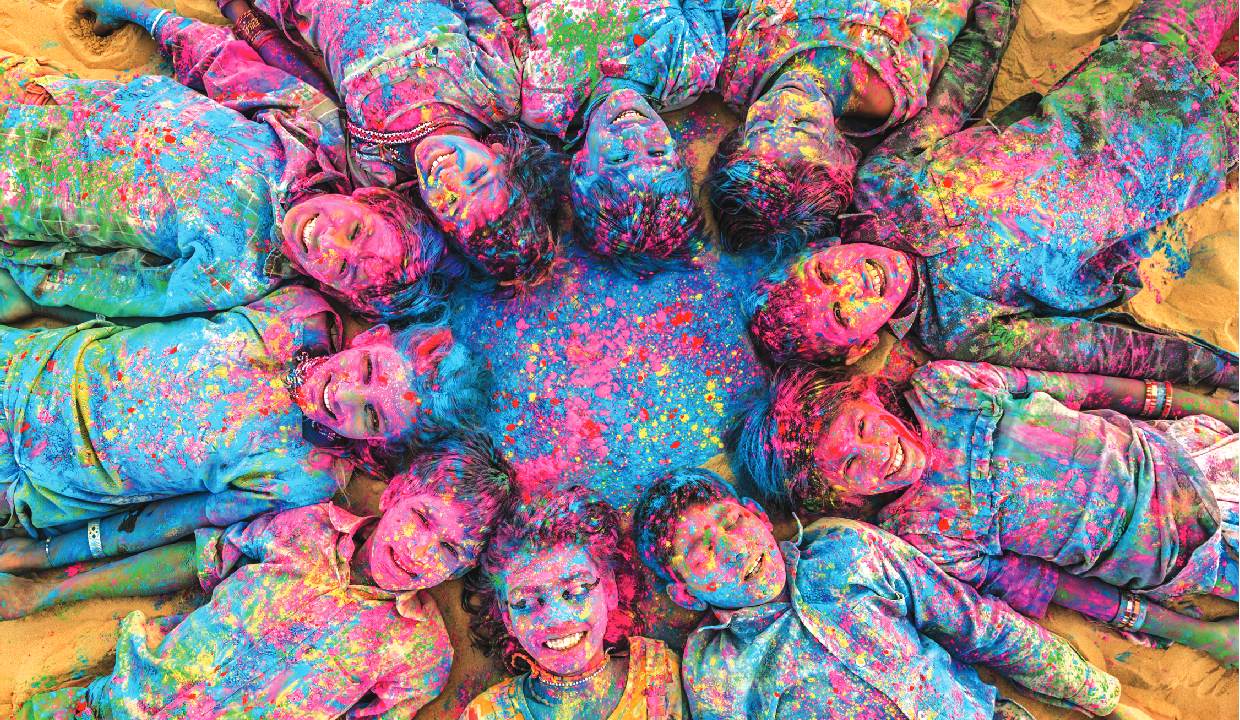
Play the festival of colours with such wild abandon that, looking at the photographs the next day, people ask who actually is in the picture. This is one specific thing that happens in every house come spring. Picture someone standing right in front of a mirror, soaked. They are staring back at a complete stranger. Silver glitter is stuck in their eyebrows. Their ears are dripping with this crazy mix of red, yellow, green, and indigo. Every shade of the rainbow is caked onto every single inch of their face. They turn to a friend standing right there and start cracking up out loud. They tease their companion about how those dark purple stains will never wash off before Monday morning. Then they catch their own reflection again and realise they look significantly worse. The laughter bubbles up out of control and that exact moment holds the real heart of the celebration. They stand there, soaking wet, while the floor turns into a disaster zone of muddy water. Catching one final look at themselves makes them burst into giggles because of the beautiful, colourful mess.
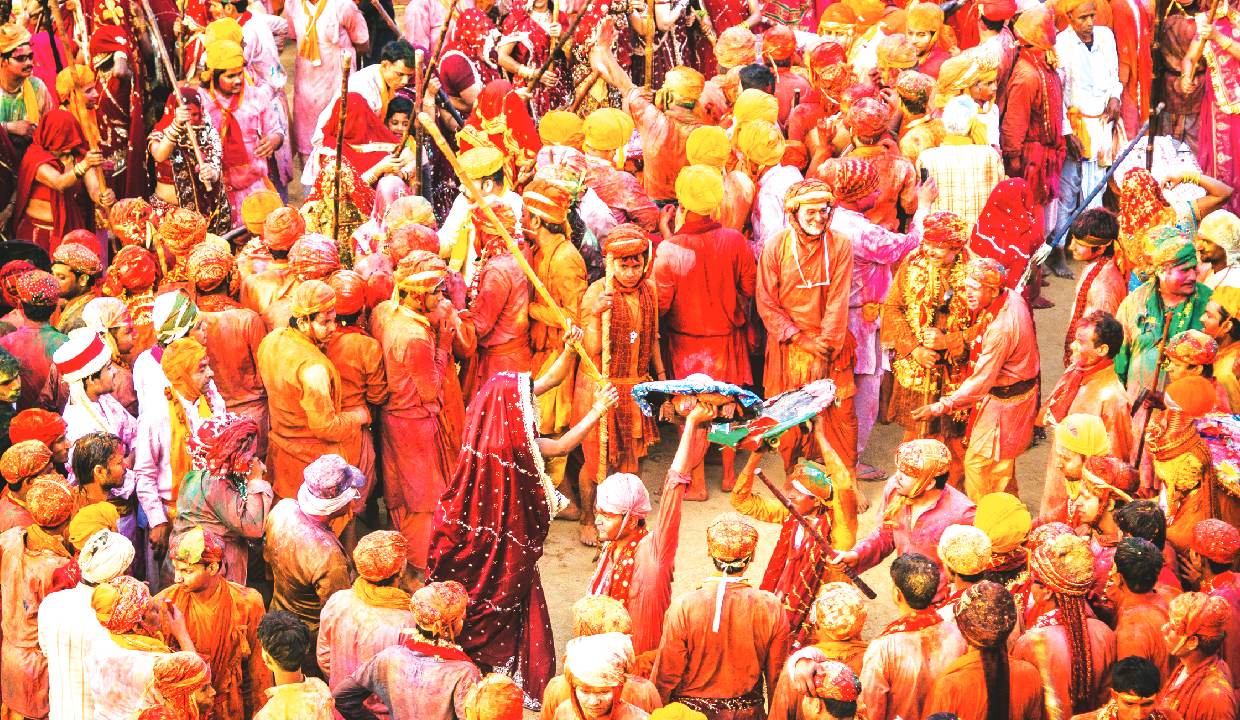
This is Holi. It is a celebration that paints whole streets and every house with wild, uncontainable joy. The festival strips away the serious faces people wear all year long. A strict office manager and a young student look the same when they are covered in thick layers of colours. No one cares about pressing deadlines or social rules when a water balloon flies through the air towards them. India feels Holi right down in its bones. The whole country moves to the heavy thud of a street dhol. It is like watching an entire nation take one massive breath out, exhaling a giant cloud of pink and yellow gulal to finally let go. Familiar old folk songs bounce off the brick walls for a single loud afternoon. This is when the tall barriers of class and status melt. They wash down the alleyways in a thick river of bright green and indigo water.
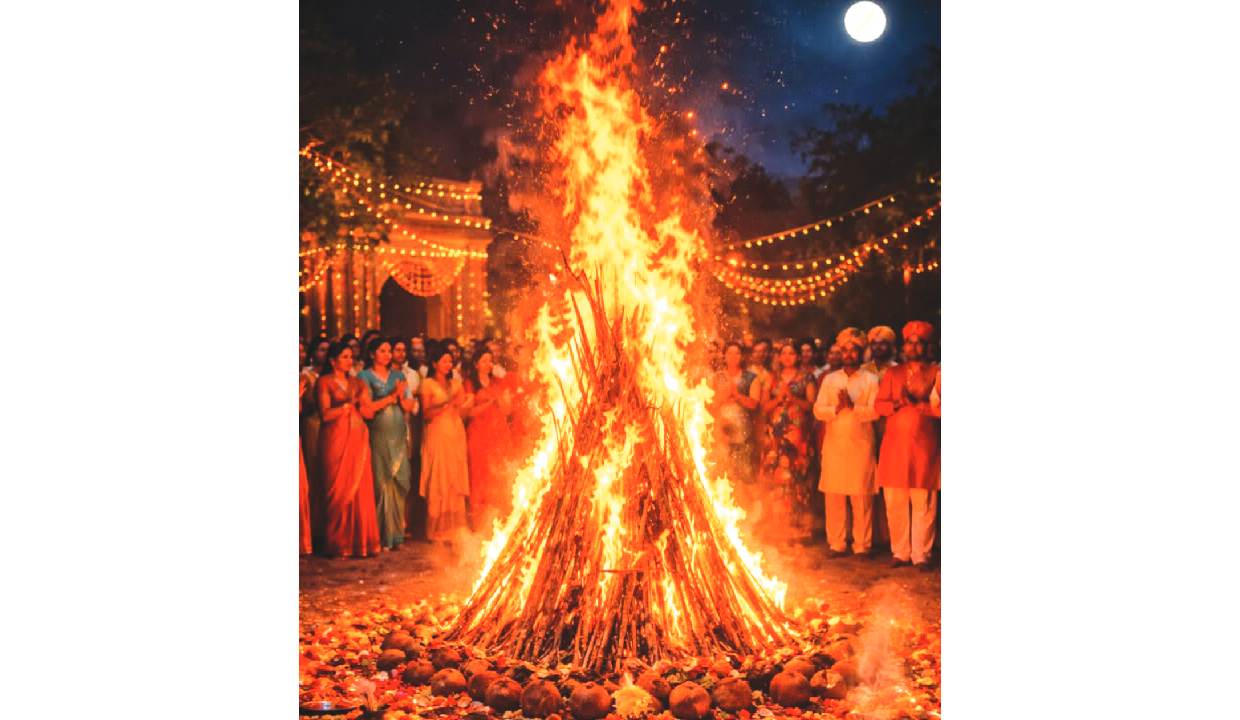
How exactly did a terrifying story about a blazing pyre turn into the most joyful street party in the world? The deep cultural roots of this chaos go back thousands of years. Families gather around massive bonfires the night before to remember the legend of a young boy named Prahlad. His faith saved him from a blazing pyre while the evil Holika turned to ash. Even today, people enact the scene of Holika burning to ashes every single year. It stands as a deeply emotional reminder that goodwill will always defeat evil. In several states, especially in the north, crowds burn towering effigies of Holika in huge bonfires. There is even a fierce practice of hurling cow dung into the fire and shouting obscenities at it, treating the flames like the demon herself. They watch the bad burn away to make room for the good. Then the mood suddenly shifts, and everywhere one hears echoing shouts of “Holi-hai! Holi-hai!”
The tradition of burning Holika is religiously followed in Gujarat and Odisha also. Here, people render their gratitude to Agni, the god of fire. They offer gram and green stalks from the new harvest with complete humility, praying for a good season ahead. By the time the sun gets higher, bright colours take over everything. The tradition of throwing gulal goes way back. It started with a playful story about Krishna. He was feeling pretty self-conscious about having dark skin. He smeared colour on Radha, so their faces would match perfectly. That one vulnerable move created a tradition that forces a massive social reset today. This brings absolute equality to the streets.
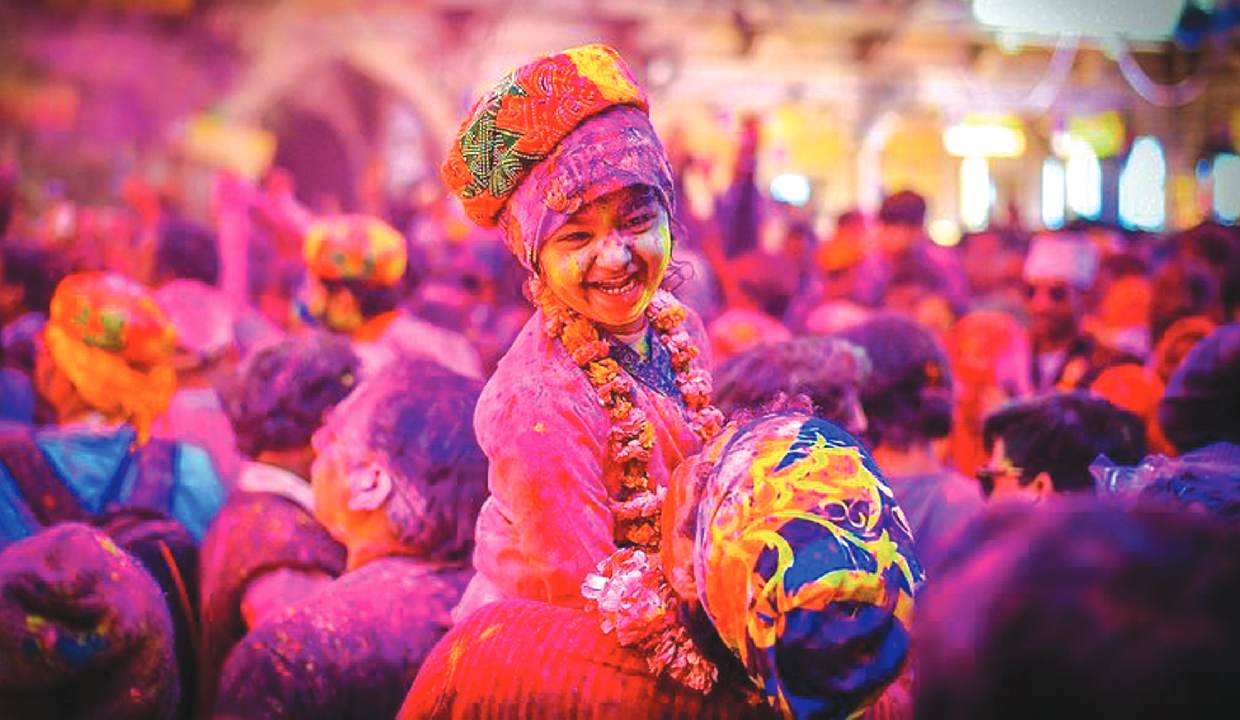
The celebration spills everywhere. It goes straight from the muddy back lanes right into the bright blue swimming pools. You get the older folks holding their ground. They just blast “Holi Khele Raghuveera” from some old beat-up speaker. Meanwhile, the younger crowd completely takes over the pool area. They are out there dancing to “Balam Pichkari” with these massive plastic water guns. Eventually, everyone gets hungry and just swarms the snack tables. Whole platters of gujiyas vanish in a few seconds. It is so hilarious watching a friend try to chew this massive bite of sweet khoya while dodging water balloons coming from every direction. Sticky sugar syrup drips down fingers that are already stained blue and red.
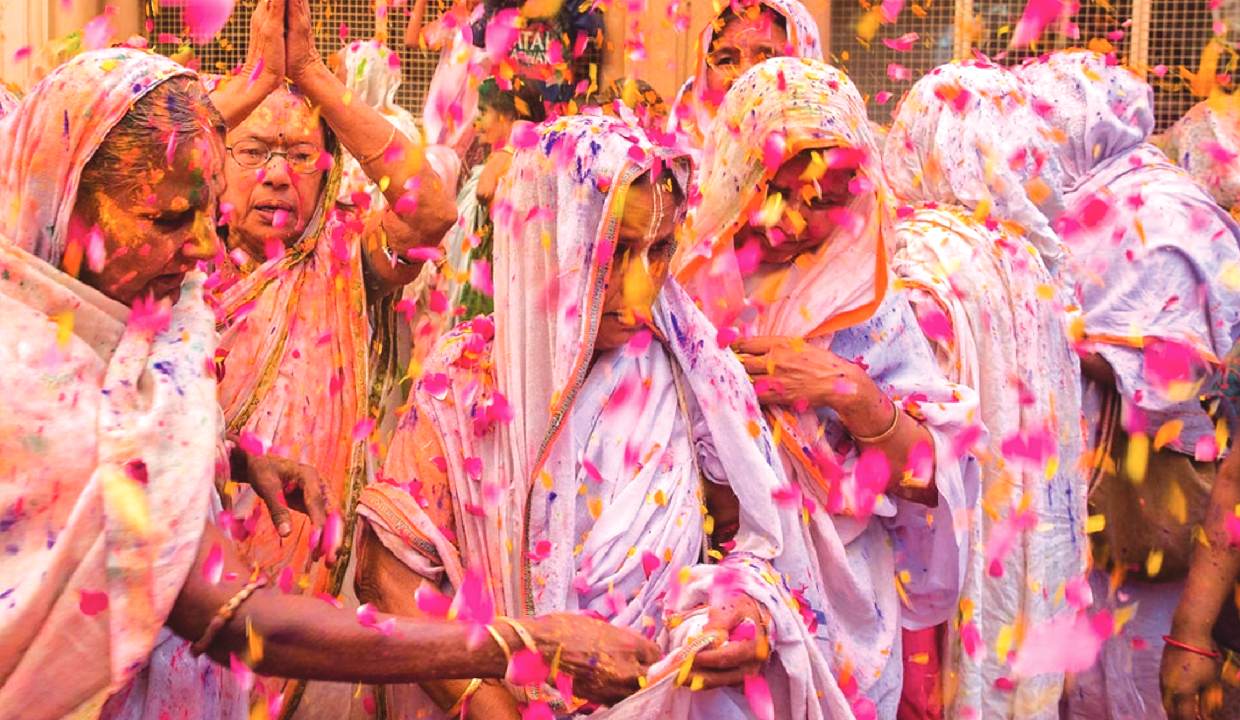
Beyond the colourful water and stained shirts, the day carries a heavy weight. Thousands of people spend the festival in a silent apartment’s miles away from their mother’s kitchen. A stray pink smudge on a pavement or the smell of roasting cardamom triggers a sharp ache for a family hug. But that is the hidden magic of the festival. It acts as a bridge. Even if a person skips drenching anyone in a pool this year, they carry the warmth of every past celebration inside. Holi serves as a loud reminder that under serious, grown-up routines, a messy soul waits to come out. Whether someone is covered in green paint or watching the sun set from a quiet balcony, the spirit remains the exact same. After the music stops and the bright water finally dries, do we not all need a touch of that colourful chaos to remember who we really are?
This is Holi. It is a celebration that paints whole streets and every house with a wild, uncontainable joy
Holi serves as a loud reminder that under serious, grown-up routines, a messy soul waits to come out