Coldplay hurts fans, BTS does not
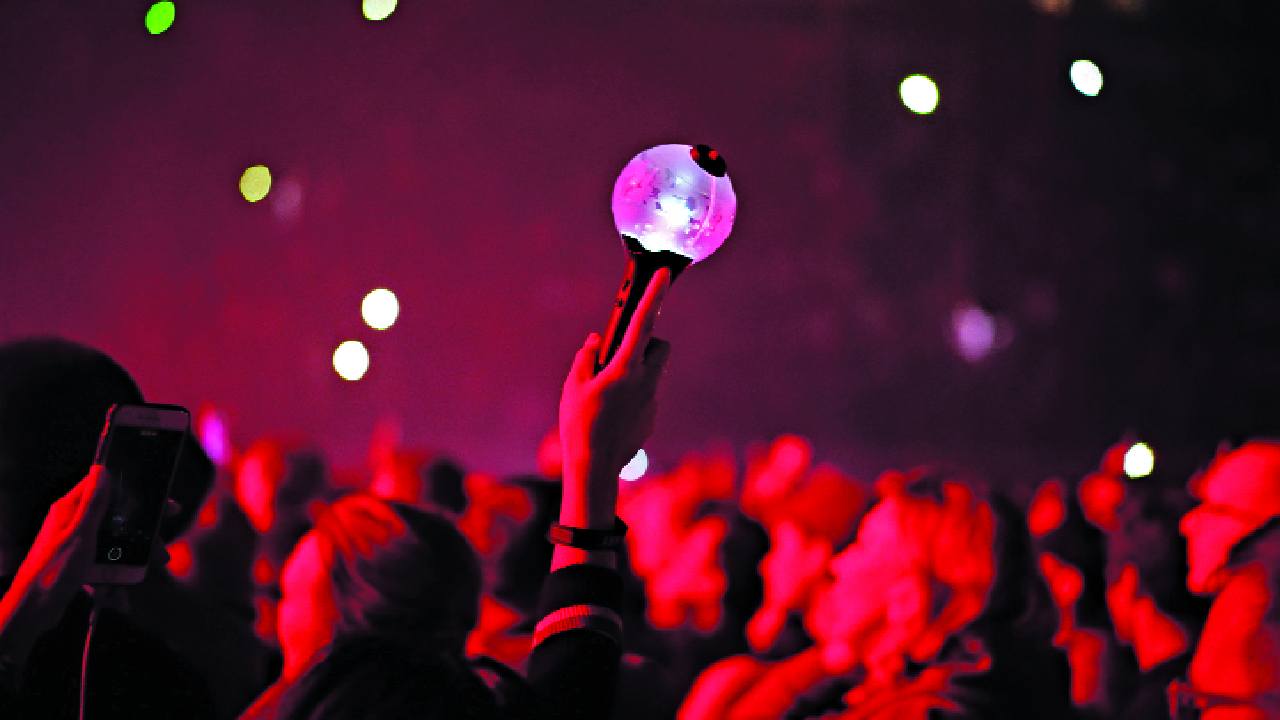
When large-scale global music concerts and tours are announced, the ticket prices soar on online platforms, as do those for accommodation. India witnessed this dynamic play out during Coldplay’s recent concerts, where ticket demand overwhelmed platforms, and hotel pricing in host cities became part of the public debate and controversy. However, what is happening in South Korea, as one of the most famous bands, BTS, returns to the global stage. BTS is set to release its new album, ARIRANG, on March 20, 2026, and embark on the world tour, its first full-group tour after a long time, as the members completed mandatory military service.
According to media reports, the combined impact of the tour, album release, and commercial activity is projected to cross $1 billion. However, as is usual with concerts, social media feeds reveal that hotels near the Goyang (the first pitstop of the world concert) were sold out within 10-15 minutes, and lodging markets reacted before official ticketing. Busan, where the group will perform in June, offers a clearer preview of the demand. According to a Korean newspaper, five-star hotels raised rates by three times, and smaller properties charged higher rates. Yet, unlike Coldplay in India, the subsequent events linked to BTS provide insights about consumer rights.
As the pricing issue escalated, the South Korean president, Lee Jae-myung, intervened, and described the hikes as “malicious exploitation.” He added that such practices “must be eradicated.” Busan mayor, Park Hyung-joon, said that the city would deploy administrative measures, and consumer reporting systems to counter unfair accommodation practices tied to the concert period. This illustrates a core tension in live events. When demand outstrips supply, consumers bear disproportionate risk and uncertainty if left to navigate the markets unaided. Usually, there is no one to protect the fans’ interests. South Korea possibly shows the way.
In fact, BTS got into the pricing game. For its tour, there is a “Play & Stay” reservation package, which offers a combined ticket and accommodation product. Members of the fans club can secure these packages. The product structure attempts to reduce consumer exposure to overheated accommodation markets and speculative pricing around peak demand windows. TXT previously offered such bundles for concerts via official partners. Jin, the eldest member of BTS, offered similar packages during his solo concert run in Japan in 2025.
Presales tied to verified fan memberships, unique codes, dedicated purchase windows, and separate product pages are not convenience features. They are demand-shaping tools that let the organisers segment inventory, reduce bot exposure, gather first-party buyer data, and potentially tighten resale leakage. Bundles do not create more seats. But they help get better deals, stabilise pricing, and reduce friction and controversies. More importantly, they reduce tensions, and enhance the experiences of the fans. However, they create a two-tier market, where a section of the fans, elite members, get certainty, and others remain in a crowded queue.
A dedicated Play & Stay page changes the distribution of certainty in a way that can feel unequal to the fans, even if it is legal and transparent. Partnerships with hotels stabilise prices for the bundle buyers, but they shift baseline pricing expectations for the wider market. Since the packages are often sold without the consumer shopping the market, the perception of value depends heavily on the disclosures such as the hotels, room type, refund rules, seat category, and other restrictions. Of course, one is not sure if it adds or subtracts from the economic impact on host cities.
Taylor Swift’s Eras Tour, frequently cited in academic and industry analyses, generated billions of dollars in direct and indirect spending across multiple markets. In the US, spending was estimated at $5 billion, and similar substantial boosts were projected for the UK leg. Taylor Swift’s tour injected millions of dollars into Singapore’s economy, and led to a lift of 0.2 per cent in the country’s GDP due to the singer’s six shows. Hence, nations buy into BTS. In Mexico, President Claudia Sheinbaum described BTS’ upcoming Mexico City concert as “historic,” and called it a moment that young people had hoped for. Such remarks reflect how leaders view concerts as a part of the youth economy, rather than isolated events.
India’s live entertainment landscape is expanding rapidly. Music tourism is no longer a niche. In 2025, more than 5,60,000 Indians travelled across cities to attend concerts, and boosted local hospitality, transport, and dining sectors, according to BookMyShow’s Throwback report. Analysts estimate that India’s live entertainment market will reach $1.7 billion by 2026. The country’s music tourism market, a sub-segment driven by concert travel, is valued at nearly $2.5 billion in 2024, with high projections by 2033.
Yet during Coldplay’s concert in India, ticketing platforms struggled under traffic, resale prices escalated sharply, and accommodation prices in cities like Ahmedabad were maddening, and controversial. Enforcement came later, through police complaints into black marketing. The system reacted after consumers were affected. There is a technology and control layer evolving underneath this trend. Digital platforms segment inventory, enable verified fan presales, and limit bot and scalper exposure effectively. But transparency around inclusions, pricing, and refund policies will be the key to determine whether bundling models are consumer-centric.
For cities and tourism planners, the calculus is shifting. A major music concert announcement is no longer a cultural event. It involves strategic economic planning. Hotels, airlines, retail, and ancillary services need to recalibrate on the news of a world tour. Policy responses need to mirror those seen in the traditional high-impact tourism cycles. As India builds infrastructure for dedicated live arenas, and as markets across Asia and Europe vie for the global tour stops, the question for stakeholders will be on how to balance accessibility, pricing fairness, and economic opportunity.
As global tours become larger, and fan travel integral to the local economies rather than incidental, the question about the live-events industry is not about how demand may overwhelm existing systems, but how much of this pressure can be absorbed within official and unofficial channels. Whether the ongoing and upcoming business models serve consumers, or simply repackage certainty at a premium towards one section of the fans at the expense of the others, is an open question. What is, however, increasingly clear is that music concerts are no longer just shows and events. They are economic events, and the way they are sold will reflect this reality.