China joins the brand wagon
For those who belong to an older generation, a news on the news platforms was a cause for nostalgia, and for things gone by. Sony, the Japanese electronics giant, sold off its TV and consumer electronics business, which includes the iconic brand, Bravia, to a Chinese conglomerate, TCL. For decades, TCL wanted to break into the premium consumer electronics and white goods market the way the Japanese, Germans, Korean, and other nations did. So far, before the Sony deal, TCL was immensely successful only in the low value-added, and low-cost product and brand categories.
However, the acquisition of Bravia and the legendary Sony name will add tremendous heft and value to the Chinese brand portfolio, and operations. This brings us to an interesting thought which many analysts may quietly ponder now, or were possibly thinking about for decades. Almost everyone in India knows that the country missed several manufacturing busses in the twentieth and this century, when it comes to economic development and prosperity. The first bus it missed was, of course, industry. There are many reasons, including the license permit Raj and a tightly controlled economy before the economic reforms, which were responsible for the private sector not flourishing the way it did in the East Asian nations.
But that is history. Since 1991, virtually every private company with access to capital, technology, and foreign partners can manufacture and sell, and create brands which are durable and attract premiums. Brands are important because they reflect a growing presence of a company or country in the global market. A known brand is a sure passport to premium values, and higher profits. Why is the Apple brand legendary, and why does it generate a market cap of more than $4 trillion? Apple does not manufacture much within America, although there are political forces to force it now.
Most of Apple's products, including iPods, iPhones, iPads, and others are made in Taiwan, China, Vietnam, or nowadays increasingly in India. Apple is the apple of brands because it invested heavily in a brand, and can command a premium. The math is simple. The cost of manufacturing an iPhone in East Asian nations, including India, may be $100-200, but Apple sells it worldwide at $800 per phone. This denotes the power of a brand, and the premium it can fetch. This is the story of East Asian companies climbing the brand bandwagon gradually, painfully, slowly, but ultimately, successfully.
India counterparts still lag East Asia, or are nowhere to be seen in this global brand marathon. The first stirrings came in the aftermath of the Second World War. Most of Asia was devastated, like most of Europe, and large doses of investments from the US revived the economies of Japan, East Asian nations, and particularly Europe. The money made a significant impact on the revitalisation of these economies. Sony started by selling transistors and radios in the US, and the products were considered low quality, literally junk.
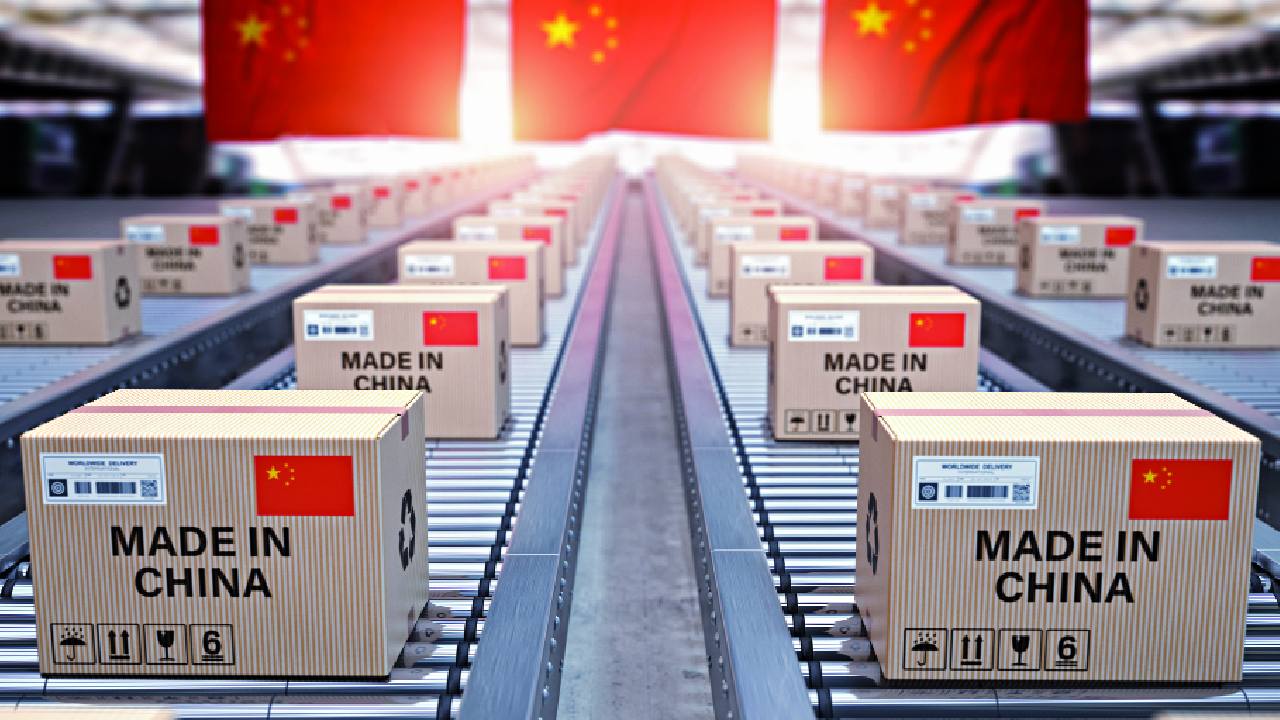
Until the late 1970s, the Sony products were treated like the ‘made-in-China’ products were in India and in other markets till the second decade of this century. They were considered cheap, poor quality, and not long-lasting. But because they had enormous price advantages, they did well with consumers who were price-sensitive, and did not seek premium products of brands. China followed what Japan did 50-60 years ago. The journey started in 2009, when Lenovo acquired the personal computer business of the then-iconic American brand, IBM. Later, the Chinese products crept in slowly, but surely, and captured the markets, as it became the manufacturing hub for the world.
For Japan, it started with Sony, and progressed to cars via Honda, Toyota, Suzuki, and others, which began with low-end vehicles, and entered the premium product categories across the world. Ditto for South Korea, which at an incipient stage became a strategic ally and partner of the US. Brands like Samsung, LG, Hyundai, Kia, Daewoo, and others thrived. Unlike India, China, South Korea, and Japan followed a model of state capitalism, and the State encouraged, and provided help to the firms through subsidies. The private entrepreneurs who ran these businesses in Japan, China, and South Korea had a global vision and a risk appetite.
In the contemporary market for smartphones, Samsung ranks almost equal to Apple in terms of quality and premium awareness. Ditto with Korean cars, Ditto with other engineering products. Ditto with TVs. Ditto with white goods. Finally, China joins the great global brand wagon. We have a hybrid, called BYD, which is a home-grown brand from China. It has become the largest-selling electric vehicle maker in Europe. We have TCL, which now enters the super-premium category in consumer electronics. India is littered with Chinese mobile phones, which have decimated the local players.
Most Indian firms are mere assemblers for the Chinese and Apple brands, although some make the not-so-critical components locally. The strange thing is that India does not lack access to capital, creativity, entrepreneurship, or a business-friendly environment now. Ease-of-doing-business has vastly improved in the last few years. Besides, there is the PLI scheme. Yet, not a single Indian-global brand has emerged in consumer electronics. In contrast, another home-grown Chinese brand, Haier, is giving stiff competition to the formidable brands like Sony, Samsung, and LG.
Possibly, there are a few lessons for the Indian entrepreneurs. The first is that they need to expand and enhance their vision, ambition, and the ability to take big risks, which is lacking. Indian firms hesitate to take on large odds, and make big bets. One of the best-known acquisitions of a foreign brand by India was Tetley tea in the 1990s by the Tata Group. The takeover fizzled out, and Tetley was re-sold by the Tatas. The same group in this century purchased known British car brands like Jaguar, and Land Rover, but the operations seem to struggle financially, and in other areas.
In product categories such as two-wheelers, milk products, poultry, cars, consumer electronics, white goats, agricultural products, food processing, and others, India is either the largest, or one of the largest producers. Yet, there is not a single global brand that it can boast of, which gives competition to the best in the world. Therein lies the sad story of Indian entrepreneurship, which fails to take risks when it is required. In these categories, there is a clamour for protection from the free trade agreements. Instead, Indians need to embrace them, and show the world what they are capable of.
The author has worked for leading media houses, authored two books, and is now Executive Director, C Voter Foundation; views are personal