Chhattisgarh’s mining reforms: From digital governance to critical minerals and tribal livelihoods
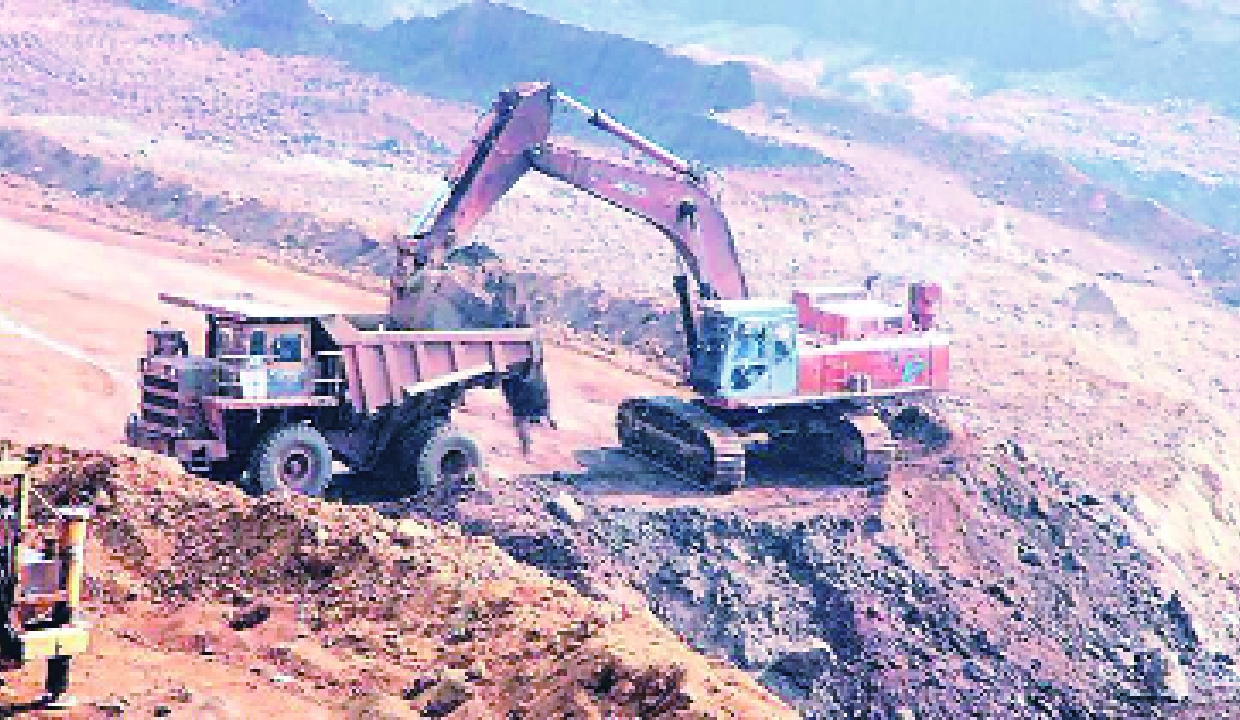
The Chhattisgarh Minor Mineral Ordinary Sand (Excavation and Business) Rules, 2025 have marked a significant reform in the regulation and management of ordinary sand in the State, with an emphasis on transparency, streamlined administration and better control over excavation and trade.
A major change under the new framework is the introduction of electronic auction through a reverse-auction mechanism for allotment of sand quarry leases, replacing the earlier system and bringing the allocation process onto a more transparent and competitive platform.
The Rules also seek to strengthen regulation of sand excavation, transportation and trade, while ensuring compliance with environmental and other statutory requirements. The new framework is already being implemented through district-level electronic reverse auctions for sand quarry leases.
The amendment permits Fixed Deposit Receipt (FDR) as an alternative for Bank Guarantee and extends certain compliance timelines from 60 days to one year, providing greater operational flexibility to the leasee.
The amendments strengthen the regulatory framework for sand mining by introducing provisions for lapse of non-operational leases, reservation of sand quarries for Government PSUs, and stricter enforcement measures. They empower the Collector to confiscate performance security for violations and provide for show-cause proceedings and lease cancellation for specified non-compliances. Overall, the changes aim to promote effective resource utilisation, stronger regulatory oversight, and improved environmental governance.
The e-Ret Sangwari Portal is intended to provide royalty-free sand to eligible beneficiaries of Pradhan Mantri Awas Yojana through an online process, linking mineral-resource management with the State’s rural housing programme. The initiative is expected to ease the supply of sand for construction activities and help ensure the timely completion of housing projects.
Further, Khanij Online 2.0 is a unified digital platform designed to streamline mineral administration through automated workflows, real-time monitoring, and integrated enforcement mechanisms.
The platform digitises concession management, permit issuance, QR-code-based e-Transit Pass generation, dispatch tracking, compliance reporting, and revenue reconciliation within a single governance framework.
The portal strengthens the implementation of the Chhattisgarh District Mineral Foundation Trust Rules, 2015. Under the amended framework, areas within 15 km of mining operations are classified as directly affected, while areas within 25 km are classified as indirectly affected.
The Key features of Portal 2.0 include stakeholder-specific dashboards and comprehensive MIS reports, mandatory digital signatures for fund demands submitted by implementing agencies, automated capping of fund releases based on sanctioned budgets; fund demands linked to the submission of work-progress documents and photographs and mobile-based monitoring with geo-tagged images, amongst others.
The Directorate of Geology and Mining, Chhattisgarh, has so far successfully auctioned 65 mineral blocks, comprising 49 bulk mineral blocks, 13 critical and strategic mineral blocks, and 3 deep-seated mineral blocks. These auctions are expected to generate approximately Rs 4.35 lakh crore in revenue over the life of the mines, reflecting the scale and long-term economic potential of mineral development in the State.
Chhattisgarh Chief Minister Vishnu Deo Sai launched the TIN (Tribal Incentives on Natural Resources) Portal, a digital platform aimed at bringing greater transparency and efficiency to the procurement and sale of tin ore collected by tribal communities in the Bastar region.
Developed by the Chhattisgarh Mineral Development Corporation (CMDC) in collaboration with Indian Overseas Bank, the portal digitises the entire value chain from beneficiary registration and ore collection to procurement, transportation, sale, price determination and payment. The initiative introduces QR-based verification, digital identities, online stock tracking, real-time monitoring and SMS alerts, while enabling Direct Benefit Transfer (DBT) of sale proceeds to beneficiaries’ bank accounts.
The State has also released an amended edition of the Chhattisgarh Minor Mineral Rules, 2015, updated as of August 6, 2026, strengthening the regulatory framework for minor minerals while emphasising community participation and environmental safeguards.