Central agencies issue SOP to Delhi Police on handling protests
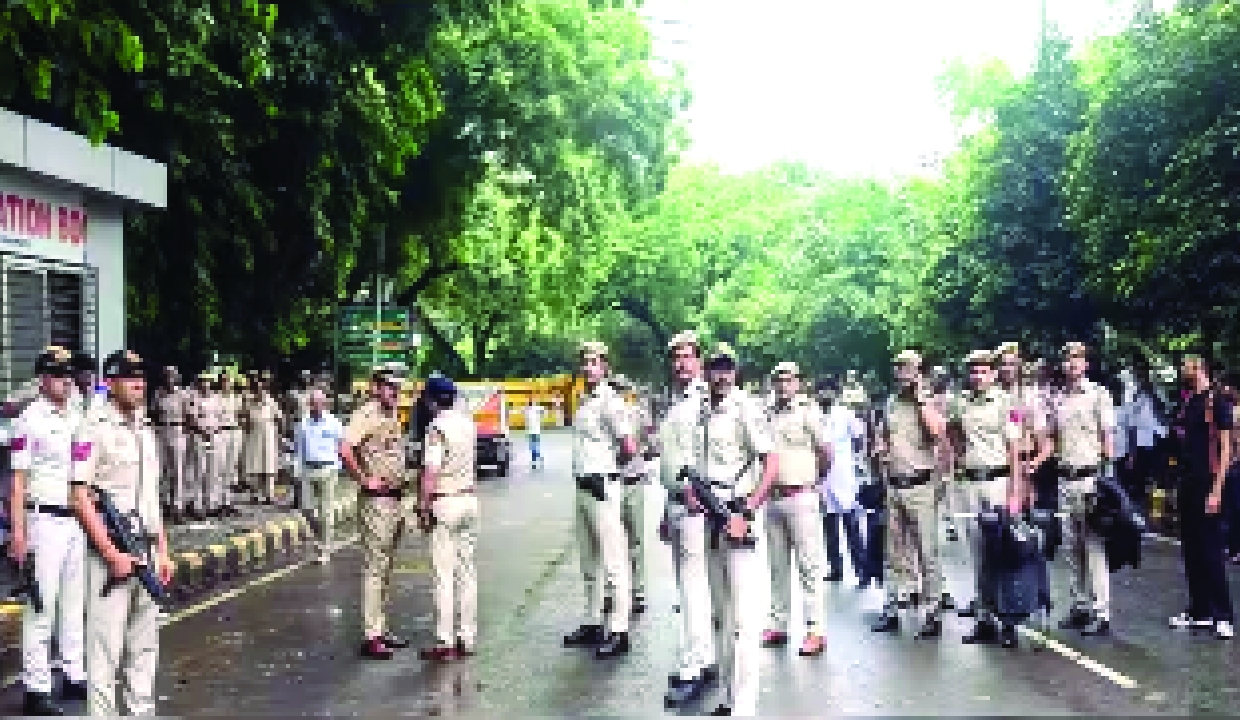
Central agencies have created and shared a detailed advisory and Standard Operating Procedure (SOP) with Delhi Police on how to handle protesters, especially younger demonstrators who record interactions for social media.
The guidelines, sent to all 15 districts and the Railway and Metro police units, stress the importance of staying calm, de-escalating situations, and acting positively to avoid creating viral videos that show police in a negative light.
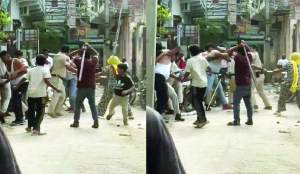
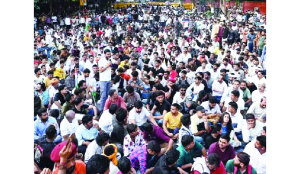
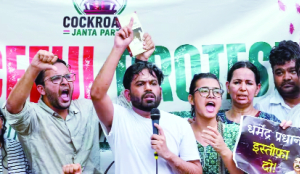
The advisory was issued after clashes broke out during the Cockroach Janata Party (CJP) protest at Jantar Mantar on July 20. Protesters tried to march to Parliament over claims of exam irregularities. Security forces responded with lathis, tear gas, and once with a pellet gun. More than 118 police officers and about 60 protesters were injured, leading to criticism and questions about the level of force used.
A CRPF inquiry later confirmed that a Rapid Action Force (RAF) member fired pellet rounds. One key message in the SOP says, “Your angry face is their content. They are not fighting you. They are making a film in which they want you to play the villain.
Refuse that role.” Officers are told to assume that every interaction is being recorded on mobile phones and could be shared widely online as reels, memes, or point-of-view videos.
Protesters, especially those between 18 and 28, might cry loudly, fall at officers’ feet, or ask personal and emotional questions about family, salary, pride in their work, sleep, or what they would tell their children. In these situations, the guidelines tell officers not to argue, agree, or react emotionally.
If needed, officers can give a brief reply such as “Please cooperate; we are doing our duty” and then remain silent. They are told to look straight ahead and treat any provocations, such as jokes, mockery, songs, dances, mock salutes, placards, or slogans using police names, as just background noise.
Officers are told not to push away phones, grab items, throw objects, shout in anger, or overreact to offers of flowers, sweets, water bottles, or tea.
The SOP notes that these gestures may be meant to provoke a reaction that goes viral online, so officers should politely accept or refuse.
The SOP strongly encourages positive behaviour. Male officers should not touch women protesters and should let women officers handle them. If a protester faints, falls, or gets hurt, officers should help first, lift the person carefully, call an ambulance, and clear the way. Barricades should be moved to let ambulances, schoolchildren, or patients pass. Officers must look after separated children until their parents are found. They are required to use respectful language, such as “Uncle, come this way,” “Aunty, please go to this side,” and “Sir, please cooperate.” When asking a crowd to move, officers should join their hands to make a request rather than raise a lathi. The main instruction is clear: “Let them (the protesters’ cameras) see only two things, your calm face and a helping hand.”
Sources say this approach is intended to prevent viral content while emphasising professionalism and de-escalation. A senior officer said similar instructions were given during the earlier CJP protest. The guidelines show a wider understanding of how social media can amplify confrontations now that everything is recorded.
Statutory orders under Section 163 of the Bharatiya Nagarik Suraksha Sanhita (BNSS) remain in force in parts of New Delhi, limiting unauthorised assemblies; the SOP focuses on conduct during permitted or inevitable interactions.
Officials hope the measures will reduce backlash and maintain public order without providing ammunition for online narratives.