CBI nabs key accused targeting US nationals
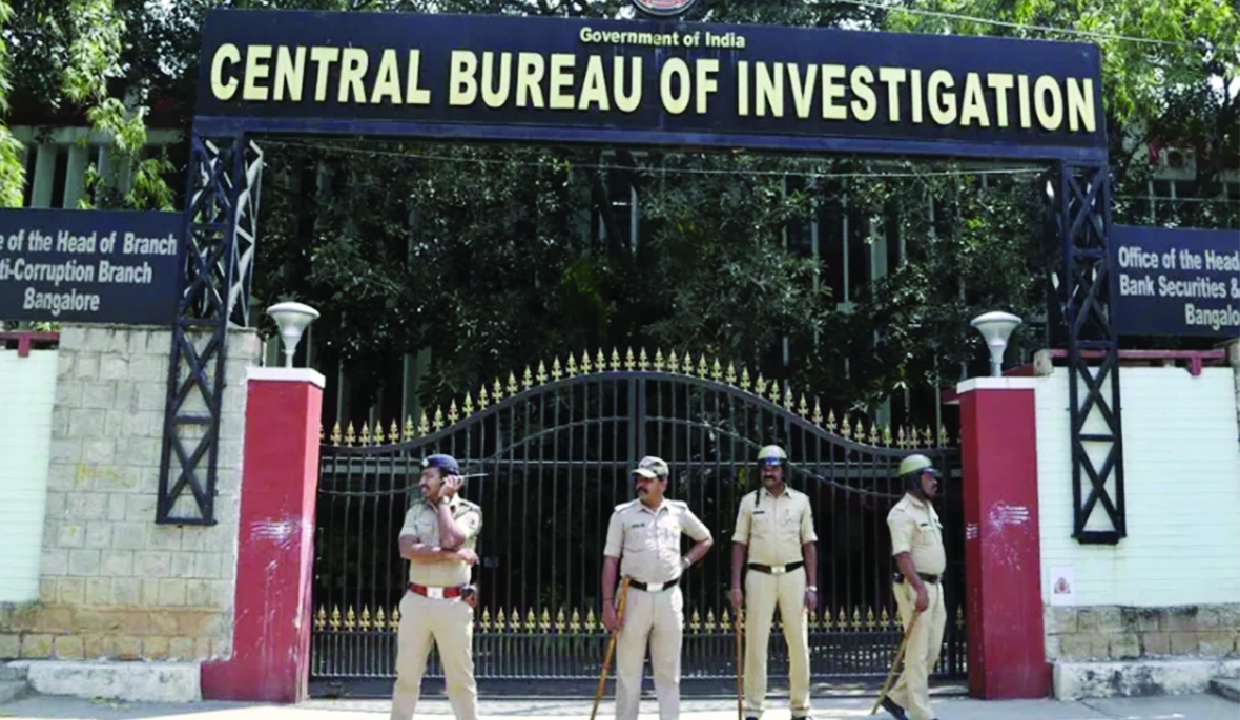
The Central Bureau of Investigation (CBI) has arrested the main suspect in a major cross-border financial crime. This operation is believed to have defrauded American citizens of over US$7.21 million. The case, registered on 8 September 2026, involves an illegal syndicate based in Ahmedabad, Gujarat, active since 2024. Investigators describe a tightly organised network that used Voice-over-Internet-Protocol lines to reach victims in the United States.
The callers claimed to be representatives of the Federal Trade Commission, the US Attorney’s Office, the Cybersecurity and Infrastructure Security Agency, and other federal organisations.
They informed the victims that their personal information had been used to gain access to illegal online content and that serious legal repercussions would be imposed if they did not cooperate. Under this pressure, the victims were instructed to withdraw cash from their bank accounts, turn the money into gold, and then give the gold to courier contacts they had already arranged in the United States.
The losses, which amounted to more than seven million dollars, suggest a well-funded, ongoing operation rather than a series of separate incidents. After registering the case, CBI teams conducted coordinated searches at several places in Ahmedabad linked to the accused. Police seized electronic equipment containing the operation’s digital records.
On 23 September 2026, authorities arrested the person who played a key role in setting up and running the illegal call centre. The investigation is still ongoing as officers continue to identify other syndicate members and trace the movement of funds.
The operation shows how easily accessible communication technology can enable large-scale deception. Since the organisers stayed physically away from their victims and had converted the cash into a portable form before it had left American soil, they managed to eliminate some of the usual traces that financial investigators normally look for. The psychological impact of a formally worded accusation, delivered with urgency, helped influence people who had no easy way to check the claims in real time.
Indian authorities have stressed that this arrest is only the first step, with further investigations into how the call-centre infrastructure was financed, how the US-based courier network was recruited and paid, and whether more victims have come forward. Cooperation is expected with their American law-enforcement counterparts as both sides work to freeze the remaining assets and identify any facilitators who are still at large.
The public should be on their guard when someone contacts them uninvited, claims government authority, and asks them to take immediate financial action. Official organisations do not tell people to withdraw cash or buy precious metals by telephone, so if anyone gets such a call, they should hang up and contact the agency on its official lines.
The CBI has said its investigation is still ongoing; as it examines more digital evidence, a clearer picture of the syndicate’s reach and how many people it has affected is expected to emerge. The arrest of the main accused represents a major disruption. However, the core method of remote impersonation and commodity extraction remains a problem that law-enforcement agencies on both sides of the Atlantic will have to deal with for some time, an official said.