
- HOME
- INDIA
- WORLD
- BUSINESS
- STATES
- LAW & JUSTICE
- ENTERTAINMENT
- SPORTS
- VIEWPOINT
- LIFESTYLE
- TECH
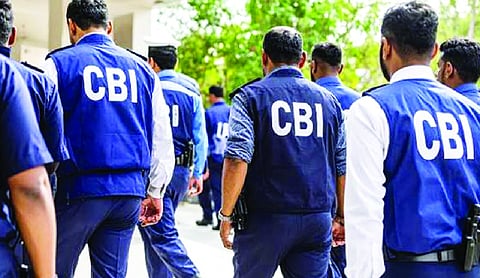
The Central Bureau of Investigation has arrested an Airtel area distributor from Bihar’s Vaishali district for allegedly issuing SIM cards fraudulently and supplying them for use in an illegal SIM Box network tied to cyber-enabled frauds across India.
The accused, identified as Pankaj Kumar, 36, a resident of Mirzanagar under Mahua police station, was the Airtel distributor for the Mahua area. The investigators carried out synchronised searches at 10 sites in Vaishali district, Bihar, and Jagatsinghpur district, Odisha. The operation at his home began around midnight and continued into the early morning. Authorities seized mobile phones, laptops, SIM cards, and other digital devices containing
evidence.
The case stems from an illegal SIM Box operation which was detected in the Supaul district of Bihar last year. After the Bihar Government handed over the case, the CBI took over the investigation and recovered more than 1,300 SIM cards from the house where the SIM Box was being run. Data analysis linked those numbers to at least 73 cybercrime cases reported from various parts of the country. In several of these cases, the so-called “digital arrest” method was used, in which callers pretended to be police, CBI officials, or others and forced victims to transfer money.
Investigators found that most of the SIM cards were issued in Bihar and Odisha; over 700 were traced to the arrested distributor, who is said to have misused the login details of more than a dozen Points of Sale in Vaishali to arrange bulk connections. Many subscribers later told investigators they never knew their SIM cards had been issued in their names.
Authorities said this happened either by tricking people into completing several e-KYC authorisations. At the same time, they went to a retailer for a legitimate reason, or by improperly using biometric data previously collected for another service.
The agency is looking into cases of cheating, forgery, and extortion under the Bharatiya Nyaya Sanhita; identity theft and computer-related offences under the Information Technology Act; and breaches of the Telecommunications Act, 2022.
This operation shows how inadequate controls at the final stage of telecom distribution can contribute to organised cybercrime; using SIM boxes, criminals can route large numbers of calls while hiding both their location and identity, making it harder for victims and the police to trace the origin of fraudulent calls.
The CBI has once again emphasised that a “digital arrest” does not exist and has warned citizens not to send money or share their OTPs, Aadhaar details, or banking information when they receive calls claiming to be from law-enforcement agencies. It has also advised people to be on their guard against fraudulent investment schemes promoted by telephone.
The probe to identify other points of sale, intermediaries and end users of the illegally issued SIM cards is still ongoing, and the arrest is part of a broader initiative to dismantle the telecom infrastructure that enables large-scale cyber fraud.