Cash is Queen, not King anymore
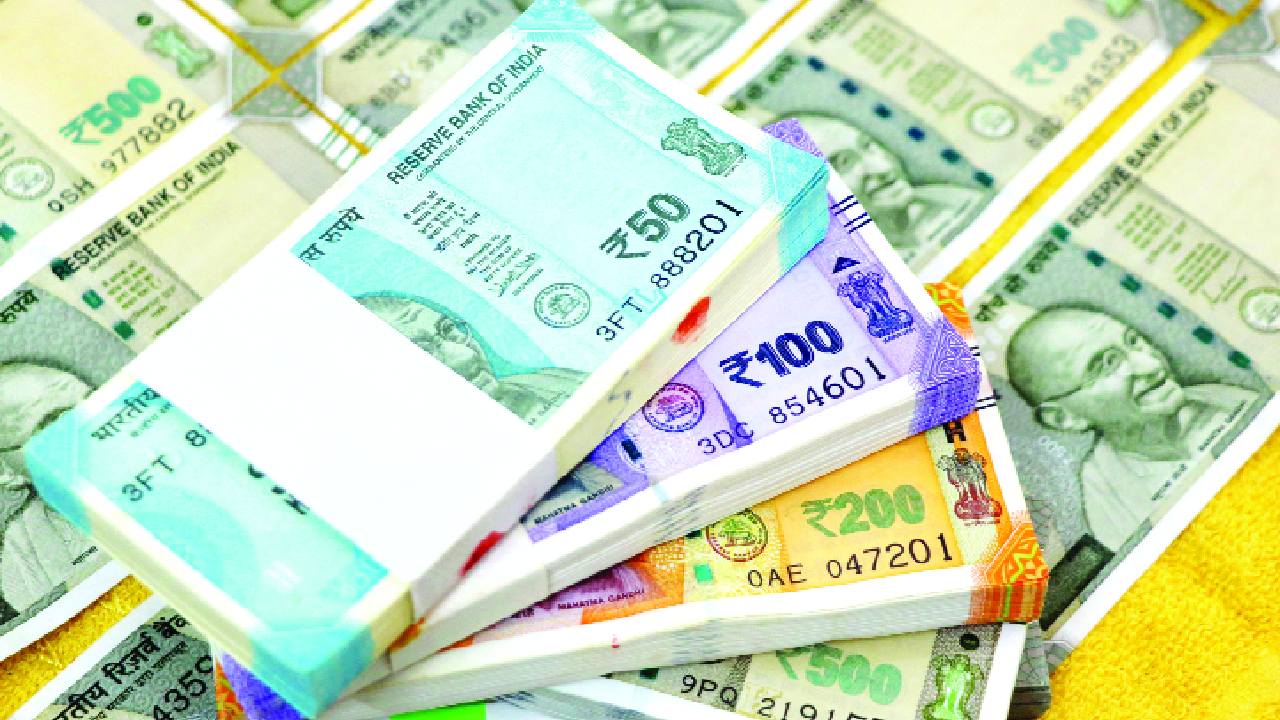
It is a dichotomy that monetary experts are unable to explain. There are trends in recent history, especially during the pre- and post-demonetisation periods, which seem a bit inexplicable. Indeed, there is both good and bad news when it comes to the use of cash in India. Over the past nearly a decade, the volume of cash in circulation rose from `16.6 lakh crore in March 2016 to `40 lakh crore in January 2026, after taking a dip to `13.4 lakh crore in March 2017, immediately after demonetisation. Yet, as a percentage of GDP, cash represents 11.2 per cent now, compared to a peak of 14.4 per cent in March 2021 during the pandemic era, which resulted in an extreme “dash-for-cash.” On a year-on-year basis, the cash trend in January 2025 shows a sudden increase of more than 11 per cent. Hence, while in absolute terms, the use of cash is up through the decade, the cash-to-GDP ratio is down.
A recent report by the State Bank of India cites reasons for the stubborn use of cash, as well as its sudden rise in the recent past. These include strict tax enforcement, low interest rates that impact bank savings, and households’ penchant to hold money in cash. For example, tens of thousands of small vendors across the country, who invariably deal in cash, got tax notices since they shifted, or were partially forced to do so, to digital UPI-based transactions. This possibly alerted them to safeguard their interests, and demand cash payments, whenever possible. During the tax notices period in 2025, there were reports of huge withdrawals from ATMs in states such as Kerala, Karnataka, and West Bengal. Despite the restrictions on daily cash withdrawals, experts believe that the small traders converted digital money into cash. While it did leave a digital trail, they were more comfortable with holding their incomes, and spending money, in cash.
Lower interest rates, as is natural and logical, led to lower deposits in savings accounts, current accounts, and fixed deposits. Given that inflation was high until 2025, households found it better, for several reasons, to hold a portion of their money in cash, or to buy assets and pursue investments where cash payments, or partial ones, were the norm. This may include buying properties, plots, land, and commercial and residential buildings. Thus, cash became the means, or a partial one, to save, invest, and speculate, rather than deals through the banking channels. Over the past few years, at least since the pandemic, the prices of gold and silver have zoomed. The rises are unprecedented and, despite high recent volatility, show little sign of tapering down. Hence, households quickly converted bullion holdings into cash, which they preferred to spend on monthly and annual consumption. Thus, formal earnings went through the banks into savings and investments, and the cash from bullion sales funded the lifestyles.
At the same time, digital payments expanded rapidly, especially after demonetisation, which was spurred by the post-pandemic changes. According to data, UPI accounts for 70-80 per cent of digital payments, even as monthly volumes skyrocketed to more than 21 billion in December 2025, and January 2026, or 10 times the levels in October 2020. In simple terms, the average volumes are 700 million a day. In value terms, monthly UPI transactions rose positively from under `6.5 lakh crore in August 2021 to `28 lakh crore in December 2025, or a rise of more than four times. According to a media report, “The broader trend suggests a structural shift: More cash is being held in absolute terms, but a declining cash-to-GDP ratio, alongside rapid UPI adoption indicates physical currency is increasingly retained for storage, while digital payments handle a rising share of everyday transactions.” This seems true from anecdotal evidence: People pay `10-30, for a pack of chocolate, cigarette stick, and street food digitally.
However, there are several allied issues that monetary experts need to account for before reaching this more simplistic conclusion. The first is that like in the past, cash is still hoarded by households. It is not spent, and goes out of circulation, maybe for months and years. This may not be fully accounted for by the cash in circulation. In sectors like real estate, still 30-50 per cent of the deal amounts are paid and received in cash. The recipients either hoard the amounts at home, and slowly spend them over months and years, depending on requirements. This is possibly the cash that comes to be spent on marriages, or purchases of large assets. The givers need to generate this cash, which is not lying around with them. Hence, there is a shift from the money lying with formal channels, like banks, to cash. There is anecdotal evidence about cash payments, and cash movements in real estate.
Despite the claims that demonetisation wiped out the hoards of cash with national and regional political parties, no one denies that more cash is spent today on national and assembly elections than ever before. In some of the larger constituencies, it is not unbelievable to hear an expenditure of `50-100 crore by a single candidate. This money is stored in funny ways, in large gunny bags in huge stranded warehouses. Of course, elected politicians, or some of them, desire to recover the money spent on elections. Thus, they become the collectors of huge amounts of cash, which is either semi-legally invested, or stashed away as cash in homes, offices, and other places. Changes in election funding, which led to a disaster as it encouraged the black economy, before it was banned by the Supreme Court, remains a dark and opaque grey area. Unless India finds a credible solution to stop the election funding menace, cash will remain crucial.
It may seem weird, even ironic, but the larger use of UPI and digital payments contribute to the cash economy. In effect, a new hybrid cash-digital culture has evolved. Individuals shift between the two. One hears vendors and drivers talking to their family, and friends about giving cash to someone, and transferring the money digitally. In essence, one-half of the transaction is in cash. There are instances when one pays in cash, but the recipient does not have the change. The latter transfers money through UPI to a third person, who returns the money in cash, which is used to settle deals with the first person, who wishes to pay in cash. This blurs the distinction between cash and digital.