Building a Healthier Future through Preventive Healthcare
Around the world, healthcare is moving towards a model that begins long before an illness appears, and India is no exception. There is a clear shift from a treatment-centred approach to one that focuses on preventive action and long-term wellness. Preventive healthcare has become essential as we navigate rising lifestyle-related illnesses and an environment that is changing faster than ever before.
Across the country, conditions such as diabetes, hypertension, cardiovascular disorders, obesity, and certain cancers are increasingly affecting younger individuals like never before. An estimated 89.8 million adults aged 20-79 in India are living with diabetes. Recent studies also indicate that millions of Indians have some form of cardiovascular disorders, which is the leading cause of death, accounting for nearly 31 per cent of all deaths nationwide. Additionally, nearly 69 million young people are living with high blood pressure or other cardiovascular risk factors.
These trends have direct implications for productivity, quality of life, and life expectancy. While our healthcare systems are well-equipped to treat these conditions, addressing them before they develop is a greater challenge. Early preventive measures become life-saving in this context, as they help detect risks long before symptoms appear, reducing the chances of severe complications and explaining why illnesses must be tackled much earlier in life.
A comparison across generations helps explain why these illnesses are appearing earlier. Traditionally, people naturally followed routines that supported better health. Daily life involved more physical movement, home-cooked meals, and regular social interactions that contributed to emotional well-being. Even with fewer medical facilities, these traditional habits offered a high degree of protection. Today's environment, while richer in information and healthcare access, has led to sedentary routines, irregular meals, chronic stress, reduced relaxation, and constant digital exposure. All of these are gradually increasing long-term risks and highlight the need to address both the mental and physical well-being of the community.
As these patterns continue to influence the health of an individual at a younger age, it becomes important to focus on what individuals can do in their daily lives to counter these risks. Preventive healthcare is most effective when it becomes part of everyday life. Simple but consistent habits such as a balanced diet, regular exercise, adequate sleep, and effective stress management can transform long-term health outcomes. These habits support physical fitness while also contributing to emotional resilience.
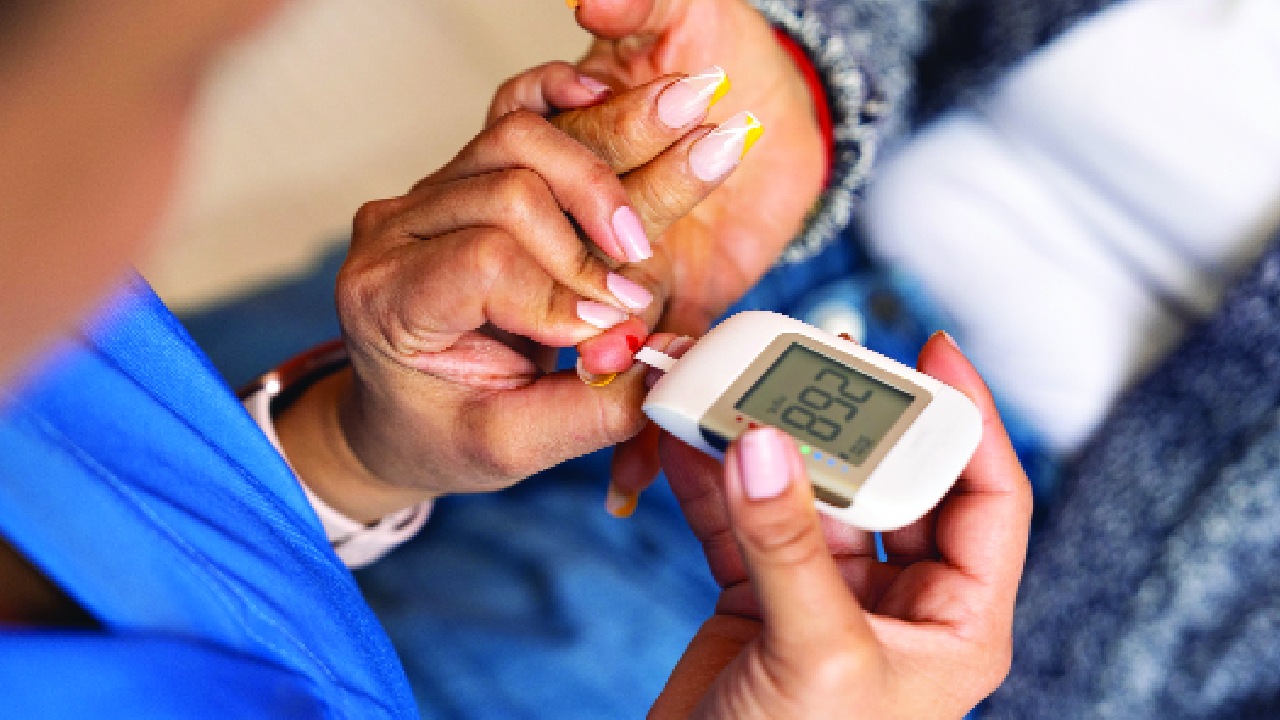
Regular health screenings form an essential part of preventive care. Conditions like diabetes, thyroid disorders, hypertension, breast cancer, cervical cancer, and early heart disease often progress silently, and by the time symptoms appear, the condition is usually advanced. Early detection leads to better outcomes and reduces the intensity and duration of treatment. Adopting healthy habits makes a measurable difference to one's health. Even 10 to 15 minutes of brisk activity, limiting salt and sugar, staying hydrated, and sleeping 7 to 8 hours can lower the risk of lifestyle diseases.
Healthcare organisations play a central role in India's preventive healthcare journey. They function as centres of early detection using state-of-the-art diagnostics, provide preventive lifestyle measures like health counselling, nutrition guidance, and community health education to the patients and their families using various audio-visual aids, making it easier for them to understand the disease process and how the preventive modes help build immunity, aiding early cure of the disease. A strong healthcare system is one where technologically advanced treatment modalities complement preventive healthcare solutions and work together. When hospitals encourage early health checks and empower individuals with knowledge, they help reduce the long-term burden of illness on families and the community. At Yashoda Group of hospitals, we believe timely screenings help patients stay ahead of disease.
Workplaces, schools, and community platforms are important focus areas that can support these efforts. Wellness programs, fitness initiatives, nutritional guidance, and stress-management workshops create environments where healthy habits grow naturally. Prevention is most successful when it becomes part of daily living rather than a response to illness. This is especially important for younger generations who face increasing pressure from fast-paced lifestyles and constant digital engagement.
In India, preventive healthcare represents an important opportunity. Our population is young and dynamic, and by focusing on prevention now, we can strengthen the youth, which builds national health for the decades to come. This requires making preventive healthcare screening accessible, promoting simple lifestyle changes, building supportive environments, and ensuring that every individual understands the value of active living. Strengthening prevention also allows advanced medical facilities to deliver better outcomes, since conditions detected early respond more effectively to treatment.
The future of healthcare lies in balancing prevention with treatment to create a complete and patient-centred approach. As India continues to invest in hospitals, technology, and specialised care, equal attention must be placed on healthcare awareness, accessibility, and health education. Preventive healthcare keeps individuals healthier for longer, while advanced medical care provides support during illness. Together, they strengthen the overall continuum of care.
The path ahead is clear. We have to embrace preventive healthcare as a shared responsibility, so that we can protect the health of the current generation and create a stronger foundation for the generations that follow. Prevention is not only about avoiding disease. It is about enabling people to live healthier and fuller lives, supported by a healthcare system that stands with them at every stage of life.
The writer is Chairman of the Yashoda Group of Hospitals; views are personal