Blasé Capital VISAS STUCK
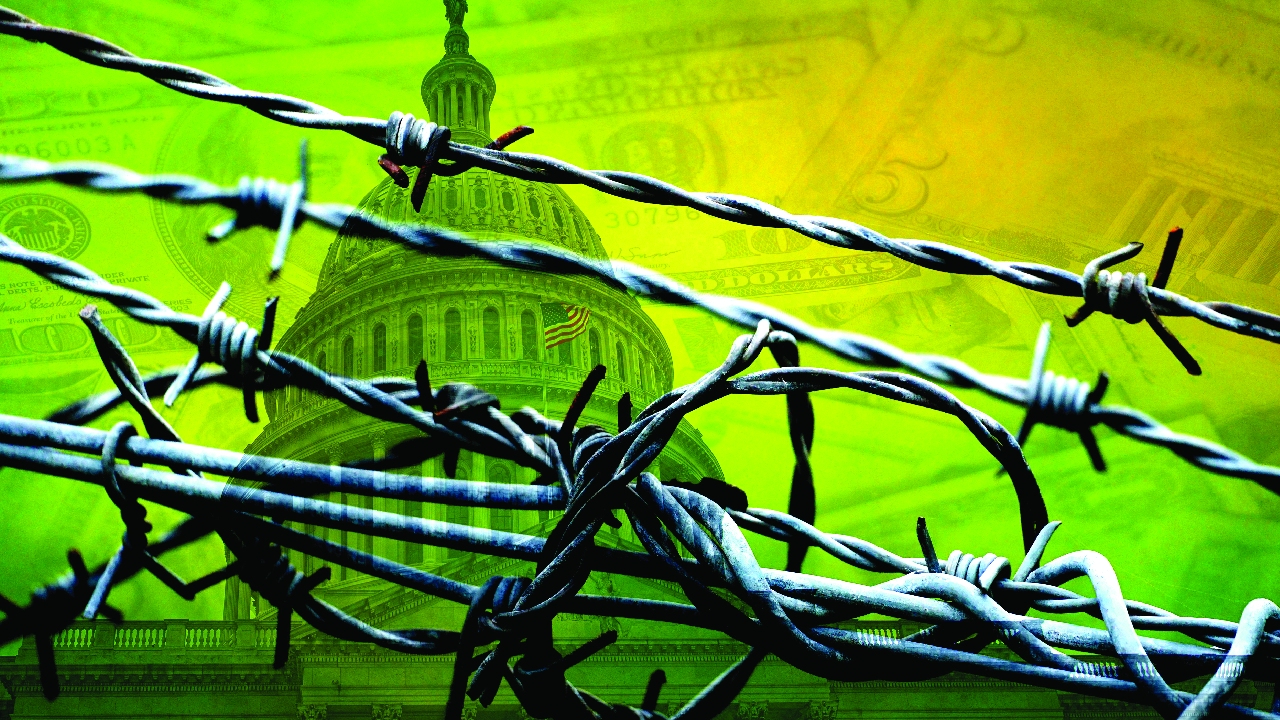
Different nations have changed their visa regimes this year, which generally makes it more difficult and expensive for Indian immigrants, especially the tech employees. Everyone knows that the US hiked the H-1B visa fees for new petitions and applications, and expanded the screening measures to check the online presence, and social media posts of the applicants. Now, visa seekers need to make their social media profiles public for possible reviews, and erase past posts that may create problems with the authorities. Most firms may be unwilling to pay $1,00,000 per H-1B visa, or restrict and limit it to the more expensive and experienced employees.
In the UK, the skilled worker visa regime was revamped to raise the salary thresholds, and updated the role-specific requirements. Tech firms maintain that this raises the hiring costs, and limits the flexibility in hirings for mid-level roles. It led to national debates about whether the problems can be fixed without making the regime stricter. In Canada, the process became strict in terms of planning. The immigration plan includes targets for permanent and temporary residents, as well as foreign workers and students. Still, most tech firms and lawyers maintain that the new system keeps Canada as a “stable destination for the tech professionals.”
Singapore opted for a controlled approach, but continued with its two-stage employment pass eligibility model, which includes points-based system, and salary benchmarks. “Companies hiring overseas professionals have to balance pay levels, job roles, and candidate profiles to meet the eligibility standards, reinforcing Singapore’s focus on quality over volume,” states a media report. This is what most nations, even those who did not tinker with the rules, wish to stress on the quality of the immigrants, rather than the numbers. The idea is to both limit the entrants, and enhance their skills.
The Middle East nations want to attract more high-skilled manpower for the various projects, and growth initiatives. The UAE added four new visit-visa categories, and revised the conditions and durations for the existing visas. It described this as a strategy to attract talent and experts, including in tech areas. In any case, the nation has a Golden Visa platform for skilled employees. In Saudi Arabia, there were efforts to use residency incentives to attract skills. Select specialists can receive premium residency status as part of a push to build a local tech ecosystem. The approach, according to a media report, links immigration benefits directly with sector needs.
Media reports indicate that Japan’s system is stricter. The requirements for management and business visas now include a minimum capital threshold, and there are higher barriers for founders and early-stage operators. According to the United Nations, the number of global immigrants was more than 300 million in 2024, and the figure has nearly doubled since 1990. International migrants comprise 3.7 per cent of the global population, and has increased modestly in terms of percentages from 2.9 per cent in 1990. Female immigrants constitute almost half of the migrants.
According to the SDG targets, nations are obliged to “facilitate orderly, safe, regular, and responsible migration and mobility of people, including through the implementation of planned and well-managed migration policies.” There are other targets related to the migration of healthcare workers, mobility of global students, human trafficking, labour migration, remittances, and legal identity. Illegal migration is a huge challenge, and the UN data shows that there were more than 70,000 deaths of migrants, of which half were due to drowning while crossing the seas and oceans. “The deadliest migration route is the Central Mediterranean, where at least 24,494 people have lost their lives,” states its website on migration.
In the recent past, political backlash against the outsiders is on the increase across the continents, and both in the developed ones like the US and the UK, and emerging ones like India. According to a migration website, “Rising nationalism, and political shifts often lead to stricter, sometimes harsher, border controls, and anti-immigrant policies, challenging international cooperation.” There are huge labour disparities across the nations. For instance, the US claims that low-skilled workers from India take away American jobs. In Europe, there are similar reactions against neighbours. Even Asian nations wish to keep outsiders out due to fears.
Data by the International Labour Organisation (ILO) shows that most of the immigrants face difficult working conditions, including “precariousness, discrimination, and a lack of protection.” The data indicates that immigrants earn a quarter less than the local workers, “highlighting the need for policies that promote equal opportunities, and protect their labour rights. These policies range from the certification of qualifications, and the complementarity of pension systems to more concrete issues like access to banking services.”
ILO feels that nations need to implement “migration pathways, and efficient, coordinated regularisation processes, in line with the global impact for safe, orderly, and regular migration adopted by the United Nations.” It adds, “This is not only a moral and human rights imperative but also a contribution to a more inclusive and sustainable economic development, ensuring that migration continues to be a driving force in the Americas.” This will help nations to harness the benefits of migration, and mitigate challenges.