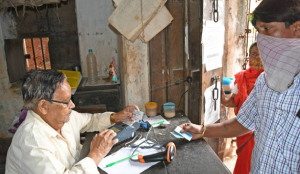
Blasé Capital PF @ 8.25 per cent
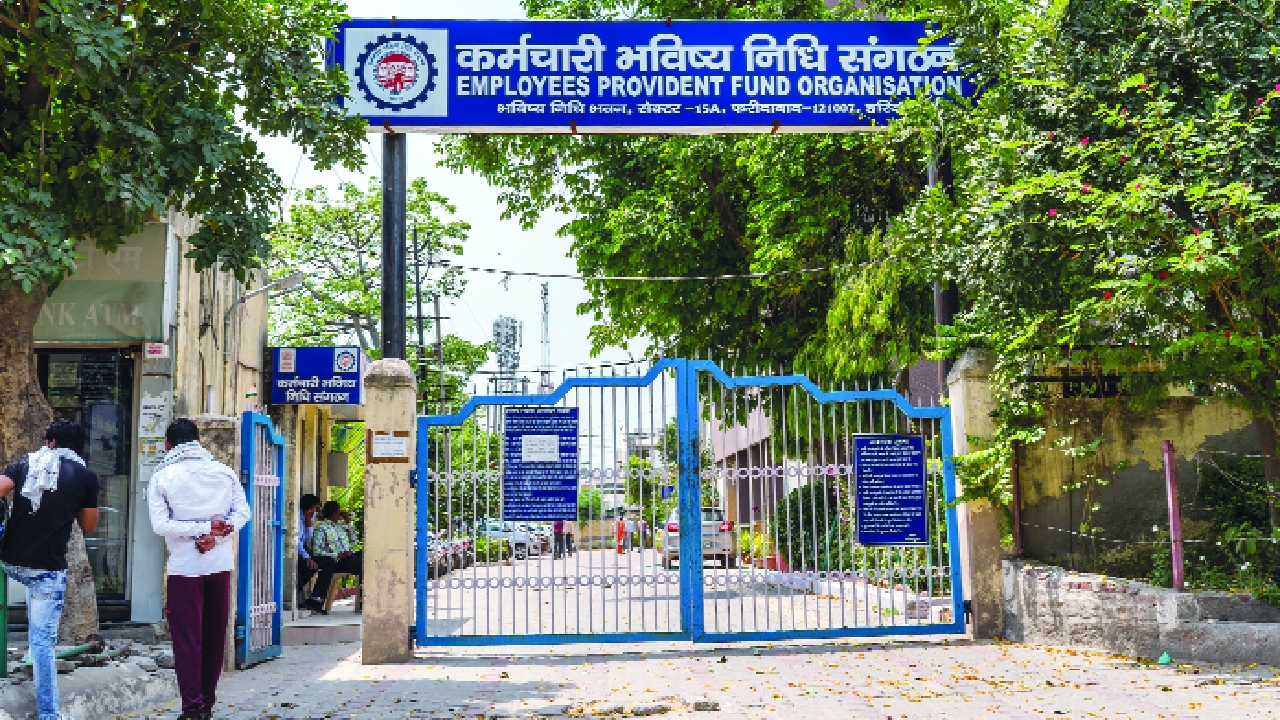
Despite the opposition, and a lower recommendation, the Employees’ Provident Fund Organisation (EPFO) kept the interest rate on provident funds unchanged at 8.25 per cent. The board of trustees, which is chaired by the labour and employment minister, Mansukh Mandaviya, retained the same returns for the third year. The minister said that the decision will help almost 80 million people, which includes the beneficiaries that need the money to live better lives. Although an internal sub-committee of the EPFO wanted the rate to be reduced to 8.1 per cent, which received a nod from the finance ministry, the trade unions put pressure on the Government not to lower it.
Obviously, there are financial issues. In 2024-25, the EPFO reported a huge surplus of nearly INR5,500 crore, which was the difference between what it earned from corpus through investments in treasury bonds and equities, and the payouts in the form of interest. In 2025-26, if the returns remain at 8.25 per cent, there will be a projected deficit of nearly INR 1,000 crore. A lower 8.1 per cent interest will change the numbers quite dramatically to a surplus of nearly INR 1,700 crore. This may explain why the finance minister wanted the lower rate.
However, the EPFO board of trustees decided to take the financial hit, and to adjust this year’s shortfall against last year’s surplus. According to a trade union leader, SP Tiwari, the “reduction (of interest) proposal was based on current year contribution estimates, and projected surplus calculations.” One needs to remember that by December-end 2025, the stock market indices were up, and equities yielded profits. Over the past few days, they have tanked due to the Middle East crises. As the Iran-Israel-US war is likely to go on for a few weeks, the stock market is unlikely to rev up, and may remain subdued till March-end 2026.
There may be political factors that influenced the EPFO’s decision. Four states, and a Union Territory, will go to the polls this year. Indeed, the previous increase in interest, from 8.15 per cent to 8.25 per cent, was announced in 2023-24, just months before the 2024 national elections. The elderly, or the pension-getters form a crucial section of the electorate, and their votes are important for any ruling regime. But the trustees do not link their decision to electoral concerns. Within policy circles and experts, the issue remains pertinent.
According to the business community, the decision to hold the rate steady reflects a government commitment to stable returns for the pensioners, who generally grapple with earnings. The EPFO claims that the returns that it earned in the previous year stem from the fund’s strong investment portfolio, and the ability to deliver competitive returns. It earned consistently over 8 per cent on the portfolio because of the “good returns from ETFs (exchange-traded funds that mirror the indices), and other investments.” It is only fair to safeguard the returns of the elderly in slightly-bad times, and use the previous surpluses.
This is akin to firms that incur losses, and yet pay huge dividends to the shareholders by drawing amounts from their cash reserves. Previous profits that lie undistributed or unused due to low capex, and stable dividends, are routinely used to please the investors. In many cases, buybacks of shares at huge premiums are funded by the cash reserves. If the EPFO has transited from safer and relatively risk-free exposures to treasury securities to the more-risky stocks due to a deliberate decision, it makes sense for it to earn huge surpluses in some years, and face deficit situations in others. But it makes similar sense to use the earlier profits to provide stable returns in adverse years.
For the pensioners, the decision to retain the interest rate provides continuity. Their earnings will not change this year despite the ongoing geopolitical and other disruptions. It cushions the savings against market and macro volatility, which the elderly cannot manage, unlike the younger generations, who have the time and scope to increase their surplus earnings through other means. In most cases, the bulk of the wealth owned by the elderly is locked up in pension funds. Their ability to earn more is restricted due to health and opportunities. If EPFO fails them, the older people have no other resort.
In the case of the EPFO, the decision to give higher interest has several positives and negatives. On the latter side, it narrows the fiscal buffer. There is less financial cushion that reflects on its balance sheet. According to a media report, “Adjusting a projected deficit against previous surplus reduces flexibility should the market returns weaken further.” There is no doubt that the medium-term and long-term viability of EPFO’s investment strategy depends on the performance of the equity markets, bond yields, and economic scenario.
“For now, the fund has chosen stability over prudence-driven reduction, a decision that will be closely watched once the final ratification (by the finance minister) is completed,” according to the same media report. The investment scenario over the next month, or more months, seems a bit bleak, as the war in the Middle East escalates with new territories under attack by the various sides. As nations decide who to support, the situation can result in World War III, which can implode the globe.