Blasé Capital MICRO vs MACRO
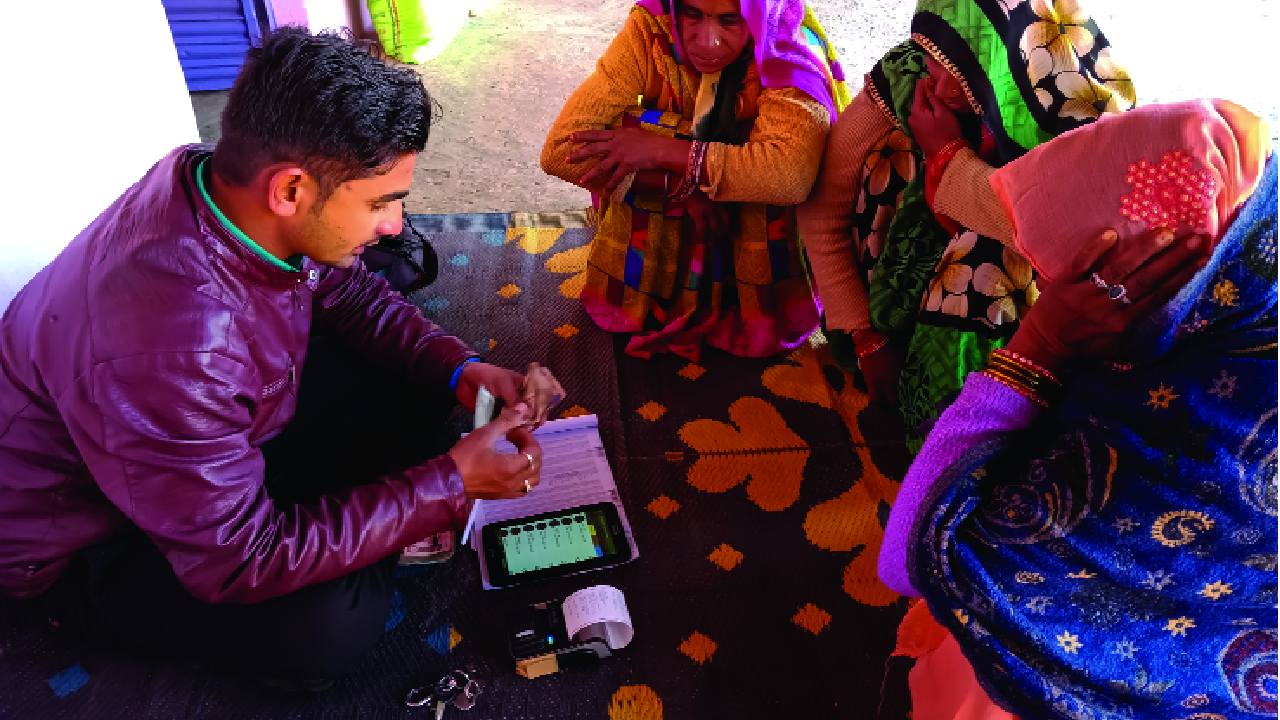
Over the past two decades, microfinance has emerged as a strong, robust, and sustainable means to transform the poor into self-employed mini-entrepreneurs. It has especially empowered the rural women. However, over the years, the segment has gone through periods of intense challenges, which include frauds, manipulations, double-lending, and loans to non-beneficiaries. The Economic Survey (2025-26) presents a new version of the old problem. It admits that the microfinance sector experienced a reversal in growth in FY-2025, and the outstanding loans declined by an alarming 14 per cent on a year-on-year basis. It explains that the stress was largely due to credit overexposure, which followed a rise in the pent-up demand after the pandemic. In other words, the flood gates were opened, possibly because of an aggressive push by the Government, which led to risky loans, defaults, and losses. Huge number of frauds emerged, as intermediaries, who enrolled the poor women for loans, ran away with the money, or resorted to duplicate loans to line their pockets.
On an encouraging note, the Survey maintains that the Reserve Bank of India stepped in aggressively, and took a proactive measure in June 2025, when it reduced the “minimum qualifying assets mandated for microfinance from 75 per cent to 60 per cent of total assets” for the lenders. This implies that the loan coverage can be a maximum of 60 per cent of the asset values, which leaves enough margin for the lenders to recoup the money in case of defaults, and reduces risks. This enables the lenders to manage their portfolio risks more effectively. “Critically, stringent guardrails were established by self-regulatory organisations in the form of reduced loan limits and caps on overall borrower indebtedness,” states the Survey. Although the challenges remain, the stress “has begun to temper with a reduction in risky assets on a quarterly basis between Q1-FY26 and Q2-FY26. Other indicators, such as loan disbursements and solvency ratios, showed a steady improvement.”
Yet, the situation is not in control. The Survey states that microfinance institutions face operational challenges, which include the “limited availability of a primary and standardised approach to assess household income.” Since, it is difficult to ascertain cash flows, such assessments will never be accurate, and the institutions need to rely on inhouse estimations that differ across the lenders. The Survey hopes that the methodology and assessment measures will improve over time as “more households come within the ambit of digital public infrastructure (DPI) and digital finance, which facilitates better generation and availability of cash flow information.” Another problem is that the lenders do not, or possibly cannot, offer tailored credit with differential pricing for different categories. Thus, as is common across sectors, one-size-fits-all approach becomes the norm. Unless someone else offers an innovation, lenders do not change their outlook, mindset, or credit facilities. It is business as usual.
In some instances, lending is highly competitive, especially in some states with deeper microfinance penetration, and multiple institutions serve the same borrowers. This is symptomatic of deeper incentive structures within the system. Existing incentive structures lead to aggressive lending strategies. Instead of a focus to enhance household resilience, support income stability, and enable gradual asset accumulation, microfinance became integrated with the capital markets. The latter led to the domination of metrics like portfolio expansion, yield metrics, and valuation outcomes in strategic decisions. “One outcome of this shift has been the use of scale-based ‘impact’ indicators, which are easier to report but are weakly connected to household welfare. These include metrics such as the number of borrowers reached, size of loan portfolios, share of women borrowers, or geographic spread,” explains the Survey. These do not capture if the borrowers are better off than before. They goad the lenders and intermediaries to push loans, even if the repayment capacities of the households are limited, or they do not need them.
“A more appropriate approach would require replacing such ‘impact-washing’ metrics with indicators that track household welfare and financial resilience over time. These could include measures of net asset accumulation, stability of cash flows, changes in savings balances, reduction in reliance on the informal lenders, and incidences of distress borrowing during shocks. Tracking debt-to-income ratios, repayment burden perceptions, and volatility in household expenditure patterns would provide additional insight into whether microfinance is supporting long-term financial health rather than increasing net indebtedness,” explains the Survey. In other words, merely chasing targets, or numbers is not enough. More than quantity, the quality of lending is critical. Indeed, this needs to be the norm for most welfare schemes. Since it is easier, more visible, and simpler to sell to the voters, policy-makers focus on math, rather than the science and art of the schemes. However, this realisation is sinking in, albeit slowly and steadily, and in a limited manner.
Finally, the microfinance sector, states the Survey, often has “little visibility over certain types of loans such as gold loans, agricultural loans, and cooperative society credit.” This reduces the lenders’ ability to calculate accurate repayment obligations of the borrower at the time of availing credit. Hence, there is a need to widen the scope of the industry in terms of more access to certain loans that are in demand, and which the borrowers understand.