Blasé Capital FLYING OUT
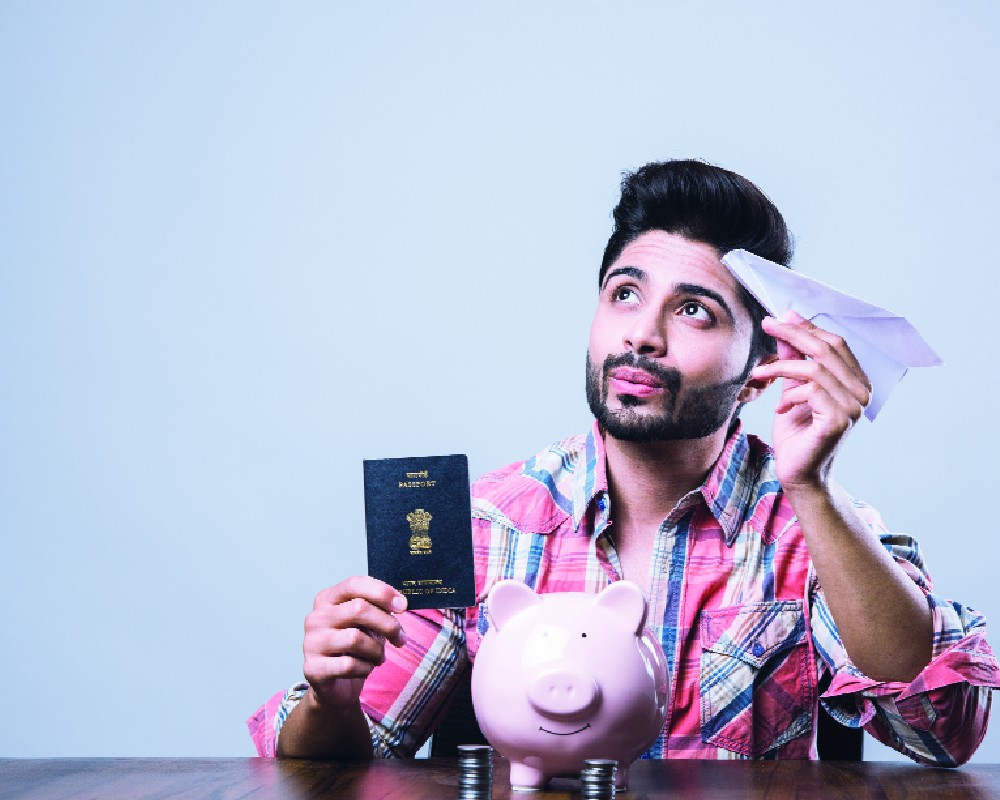
India’s outbound travel story has entered a decisive phase. What was once seen as an occasional indulgence is now an expression of aspiration, lifestyle, and identity. Traveling abroad is a sign of how one has arrived in life. According to the WanderSafe Report (2025), the country has emerged as one of the fastest-growing outbound travel markets in the world. The market is driven by rising incomes, improved connectivity, and a profound shift in how Indians view travel, which a way of life rather than an annual holiday.
Official data underscores this transformation. According to the central ministry of tourism, more than 30 million traveled overseas in 2024, and the figure was up from less than 28 million in the previous year. The former was well over the pre-pandemic levels. Indians traveled to more than 65 international destinations, which reflects a growing confidence, the desire to see most of the world, and global mobility. The number of destinations has increased. Apart from the regular shopping trips to Dubai and Hong Kong, family visits to London and New York, and business trips, Indians wish to visit new, exotic, historical, and wildlife destinations.
The momentum appears durable. A recent Hansa Research survey found that 100 per cent of the recent Indian international travelers intend to travel abroad again. Millennials lead the surge. Bernstein projects that India will become the fifth-largest outbound travel market by 2027, climbing up from tenth place in 2019. Travel, the report observes, is “an expectation. A necessity. A norm.” Most families that were comfortable with once-a-year foreign travel, believe in flying out three times, or four times a year, including short stops.
One of the most striking shifts is how Indians prioritise experiences over material consumption. A 2025 Finn Partners-GSIQ study found that 74 per cent of Indian travelers chose travel over buying luxury designer goods. Travel is increasingly being linked to status, self-expression, and social validation, which is amplified by social media and OTT content. Per capita income growth at 8.7 per cent compounded annual growth since 2015 has fueled discretionary spending, which has enabled Indians to invest in travel as part of the broader experience economy. Financing options such as EMIs, personal loans, and ‘Buy Now Pay Later’ models have made overseas holidays more accessible, especially in the non-metros.
Asia remains the most popular destination, with 63 per cent of the outbound travelers choosing this continent, thanks to easier visas, and better air connectivity. Thailand, Japan, and Singapore lead the list. North America follows, with the US being the most-visited nation, while France and the UK dominate in Europe. However, preferences are evolving. Australia is a strong contender, particularly among the Gen Y travelers. “Asia still leads, but Australia gains momentum,” the report notes, and highlights a willingness among Indians to explore farther geographies as confidence grows.
Social media plays a powerful role in shaping choices. Nearly 60 per cent of the travelers say that platforms like Instagram directly influence travel decisions, and turn digital inspiration into real-world aspiration, and itineraries. Indian travelers are no longer satisfied with standard sightseeing. The report highlights a strong tilt towards the experience-led vacations, with adventure sports topping preferences at 54 per cent, followed by multi-country trips at 52 per cent. Cruises, hiking, and water sports are gaining traction. Gen Z stands out as the most adventurous cohort. Over 50 per cent plan to indulge in adventure sports, and 50 per cent prefer renting cars abroad, reflecting a desire for flexibility and exploration.
Travel companions shape journeys. While 64 per cent travel with spouses, partners, or friends, Gen Z travelers are three times more likely to travel solo, and four times more likely to travel with colleagues, blending work and leisure. For most Indians, international trips are compact yet immersive. Nearly two-thirds prefer holidays of up to two weeks, though trips to North America tend to be longer. Families with children often opt for extended stays, and solo travelers seem to be more flexible with their stays.
Booking behaviour reflects a hybrid mindset. Independent planning dominates, but nearly a third rely on travel agents or packaged tours. Online agencies have emerged as a middle ground, as they offer price comparisons, bundled deals, and other comforts and conveniences. AI-powered tools are becoming a part of the process, with 98 per cent satisfaction reported among the travelers that use AI for planning, as per a Kaspersky survey. While family, friends, and colleagues matter in the decision-making process, they are not the sole ones.
Still, global travel is not without friction. More than 40 per cent reported hurdles while planning trips, which ranged from logistics and accommodation to visas and documentation. Visa delays and rejections emerged as a significant pain point. In 2024, Indians reportedly lost INR136 crore due to Schengen visa rejections, which underscores the hidden costs of global mobility. These challenges are reshaping behaviour. Travelers are more research-oriented, cautious, and more prepared, as they recognise that global travel requires better planning beyond flights and hotels.
The modern traveler is aware of uncertainties that range from climate disruptions to geopolitical tensions, and factors these realities into planning. “Today’s traveler must prepare not just for the journey, but for what may unexpectedly interrupt it,” states the report. Sustainability is crucial. A Booking.com found that 87 per cent of Indians plan to travel more sustainably.