Blasé Capital FISTING GAINS
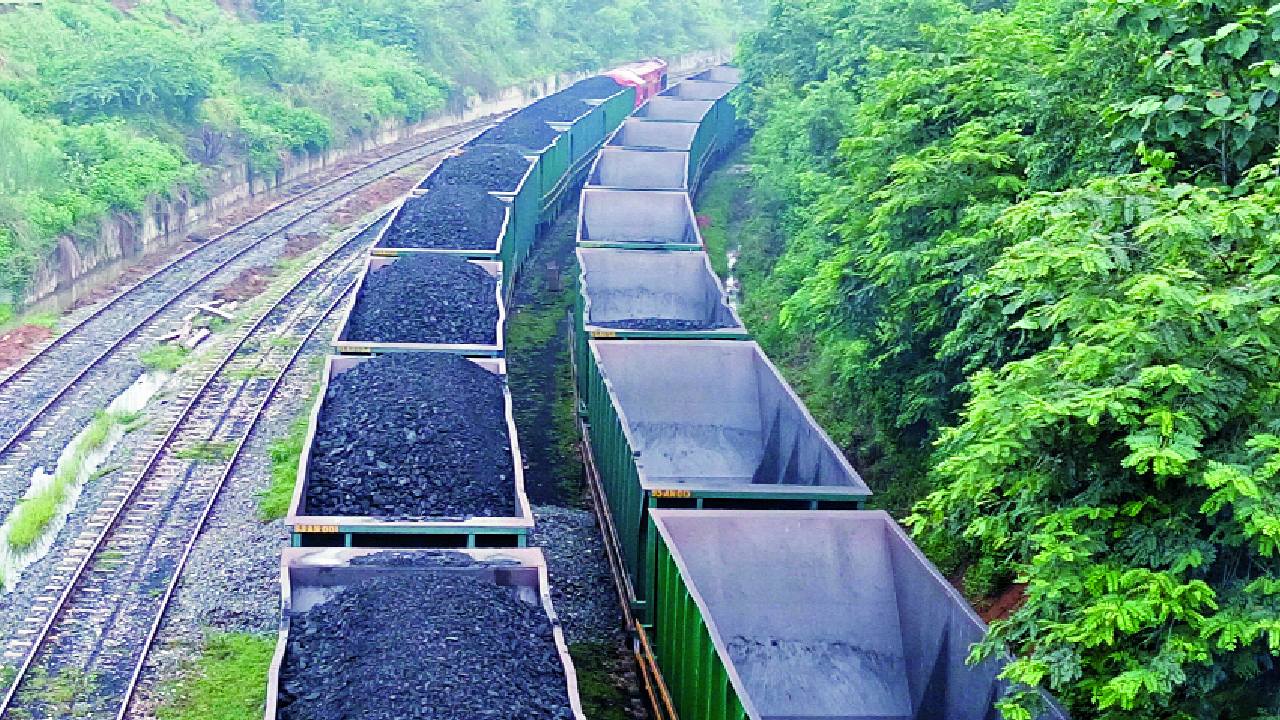
It was expected to witness a strong listing. The grey market premium was 50-60 per cent. However, the Bharat Coking Coal IPO (Initial Public Offering) defied expectations, and predictions, and listed at nearly 100 per cent higher than the offer price yesterday. The price dropped almost instantly by 10 per cent, recovered a bit, and closed at under INR41, or a loss of more than INR4 over its list price of INR45 (offer price: INR23). Analysts said that the drop was because investors booked profits immediately due to the high listing gains. However, the way the
stock lifted a bit, and almost retained its level shows that the investors’ sale was short-lived, and there were an equal number of buyers and sellers through the trading session, as more than 700 million shares exchanged hands on the first day. The Sensex dropped more than 300 points, or just under 0.4 per cent.
As the listing day progressed, and bears and bulls wrestled against each other, the analysts too were divided in their opinions. One of the analysts believes that current profitability of the firm, and its financial performance does not justify the high valuation gains. In the first half of this financial year (2025-26), its net profit declined to just over INR120 crore, or a massive decline of more than 80 per cent year-on-year. If the current trends extend into the second half of the financial year, and based on earning predictions for the year, the stock prices are stretched. The current price is thus unjustified. This is why some analysts, even those who encouraged the investors to subscribe to the IPO, urge the shareholders to look at the stock from “purely from a short-term perspective.” Hence, sell at a good price, and exit to buy later, if, and when the price settles down lower.
Holding the opposing viewpoint are analysts who believe in the long-term financial and operational story of Bharat Coking Coal. One of them feels that the firm, with one of the largest reserves of coking coal, enjoys a “strategic positioning in the coking coal segment, and its strong linkage to the domestic steel industry.” If the GDP growth rates remain high, or 6-7 per cent, or even right per cent, over the next several quarters, steel demand will boom. So will the sales of coking coal, a key fuel for the steel sector. In the recent past, the Competition Commission of India has ruled against a few steel firms, and accused them of forming a cartel. This may depress the investor sentiments for the steel sector, and have an impact on the coal sector. The fine may be 10 per cent of the turnover of the 28 firms, including Tata Steel, JSW, and state-owned SAIL, or triple the profits they earned during the 2015-23 period. But the final order is a few months away as the steel firms have challenged it.
However, there are still a few variables that may change sentiments, and a few are ponderable. For example, one of the analysts says that since the float of the Bharat Coking Coal available in the market is 10 per cent, with the remaining held by Coal India, there can be a perception-led rally if the sentiments remain positive. At the same time, the coal and steel sectors are cyclical. Hence, the medium-term stock price will depend on coal demand trends, price realisations, and the sentiments and dynamics within the state-owned entities. Thus, one of the
analysts feels that the appetite for the stock should remain with the investor. If he or she is a trader, or has a short-term outlook, selling is the best option. If he or she believes in choosing stocks carefully, and holding on to them for a few years, then selling is not the correct approach. Despite the
cyclical business, which is highly influenced by government policies and thinking, the coal sector will have its bad and good years. Both kinds of investors can gain.
Most of Bharat Coking Coal’s mines are located in the two states in east India, with well-developed infrastructure, logistics support, and abundant coal reserves. It operates five washeries, and is a domestic leader in it, with a capacity of 13.65 million tonnes per annum. It hopes to commission three new washeries with a combined capacity of seven million tonnes a year, and renovate an important existing one. Washeries are a crucial element of coal mining in the country. With the global angst against the use of fossil fuels, with many calling for a ban, the best way for a developing nation like India to go forward is to wash every tonne of coal so that the fuel becomes less pollutant, and more acceptable to the world. Washeries offer the best solution to prolong the use of coal, which India will need for at least the next 2-3 decades. Despite the growth of green energy and renewables, India’s high GDP growth will require at least 50 per cent of fuel in the form of coal, according to some experts.