Blasé Capital A NEW GIG
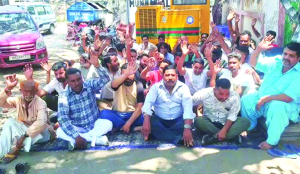
After December 25, Christmas Day, Indian gig workers plan to go on another strike on New Year’s Eve. While this will yet again disrupt the festivities of the normal people, their concerns seem serious and genuine. Apart from the business and economic impact, the protests offer a unique opportunity to the Opposition political parties to highlight an issue that will resonate with the hundreds of thousands of gig workers, and millions of urban consumers. Indeed, the gig economy can emerge as a major electoral debate over the next 2-3 years. The Congress, and other regional parties can derive considerable political mileage if they make it a part of their strategies. Gig is big, gig can dig up deep-rooted resentments, and gig is more than a fig.
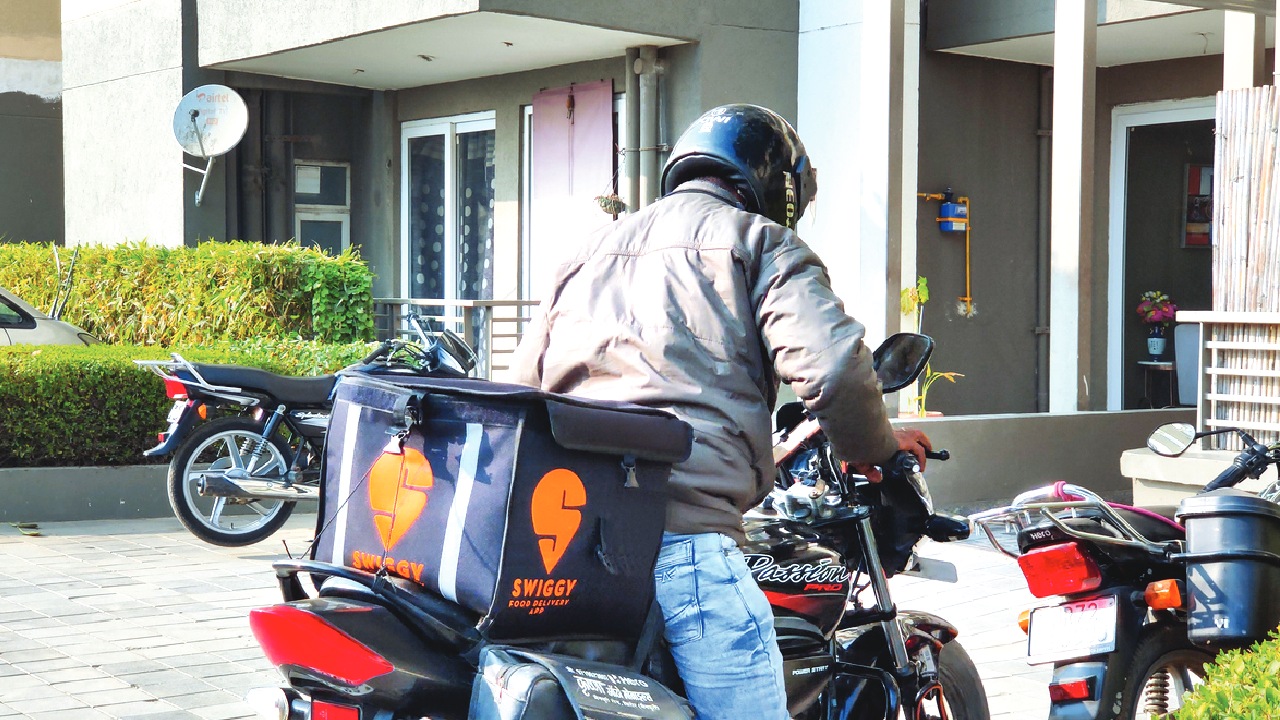
Let us examine the various problems of the gig workers, and figure out the political advantages that can emanate from them. The so-called delivery partners, and the tens of thousands of people who deliver your online orders on bikes, and scooters, resent the app-based governance. Those who work for Swiggy, Zomato, Blinkit, and others claim that their professional lives are ruled and dictated by opaque, inexplicable, and unexplained algorithms. Their salaries, incentives, targets, and penalties are decided by the codes and binaries which they do not comprehend. This makes them vulnerable to sudden changes in monthly incomes, and leads to unpredictable earnings. Hence, extending minimum wages to the gig workers, as is the case under the four new labour codes is not enough. Political parties can combine the issue of lack of jobs with that of lack of predictable, and regular incomes, which is as dangerous as the first.
As competition among the online platforms, and apps rises, they need to cut and manage costs. Invariably, as is the case in manufacturing or services, the employees are the first ones to be targeted through lower incomes, incentives, or frozen earnings. In addition, the gig workers generally do not enjoy the benefits of paid leaves, social security, and income protection. Many need to work for longer hours merely to stay at the same income level. For political parties, this is a great opportunity to immerse themselves by shifting the focus from laws to implementation. The four new codes do talk about security but as we know that main bottleneck is implementation. Instead of talking about the lacunae in the codes, or apart from highlighting them, opposition politicians can ask the Government to walk the talk, and ensure that the codes are embraced by the businesses. Firms should not push the burden of social security on the workers.
Ten minutes may be a short time in the lives of most people. For gig workers in the delivery segment, it is a lifetime. Their incomes depend on delivery under strict deadlines. This impacts safety as they rush to deliver on time. In cases where the delays may be by the vendor, or the one who placed the order, it is the delivery partner who faces the wrath of the employer. The gig workers face cuts in incomes, and incentives if the orders are delayed. “We will not accept unsafe ‘10-minute delivery’ models, arbitrary ID blocking, or denial of dignity, and social security,” says Shaikh Salauddin, a prominent union leader of the gig workers. Politicians can join this debate, and kick off the argument that although average delivery time may be 10 minutes, the actual time will be decided by traffic congestion, jams, and other factors. Customers may be updated about delivery times like how Google Maps updates the arrival times.
For politicians, taking up the cause of the gig workers will have a dual advantage. Apart from wooing the large number of growing gig workers, they will connect with the emotions of the buyers. Scores of buyers feel for the delivery people. In fact, many treat them decently, and offer cold water or soft drinks during peak summer months. A large section understands the problems, especially those related to unsafe work environments, and unpredictable incomes. Since many urban households receive several orders in a week, either food, groceries, clothes, or other purchases, they may be swayed by the political support of the gig workers. Indeed, this may emerge as a crucial electoral issue if the debate is handled deftly. More importantly, more than business or economics, it is an emotional discussion, where the hearts can be won over time. This may turn out to be a huge swing factor, which can swing election results.
India’s gig economy is expected to expand to almost 25 million workers by 2030 or, say, 100 million family members. Under the four labour codes, according to an official press release, “By providing legal recognition, portable social security benefits, a dedicated welfare fund, and a national registration framework, the enhanced provisions equip gig and platform workers with essential safeguards, equip them with portable rights, and transform informal into a secure, recognised, and sustainable livelihood.” It lays the foundation for a more inclusive, resilient, and future-ready gig economy. However, political parties can put pressure on the Government to build on the foundation, and create new essential structures.