Blasé Capital laX slack Tax
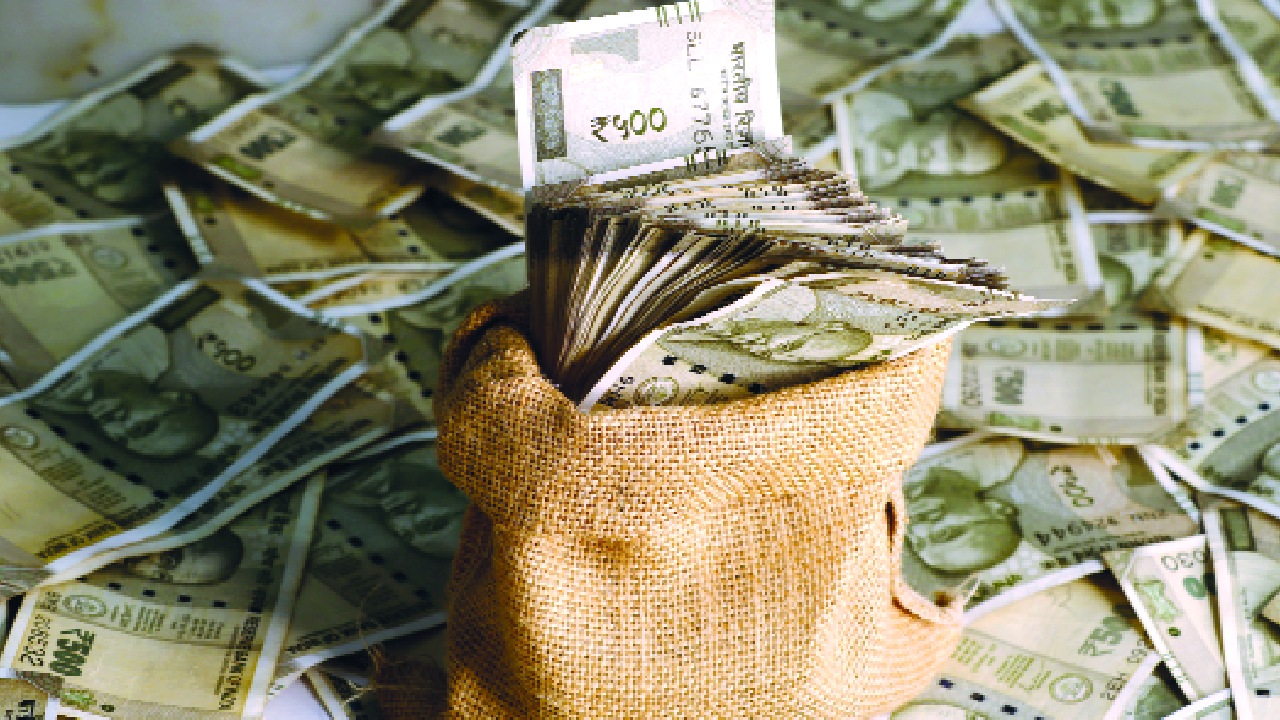
There are reports that Finance Minister Nirmala Sitharaman may impose a five per cent wealth tax on billionaires, the super-rich, in her forthcoming Union Budget. Experts warn against such a move, which may prompt the wealthy to move out of India for tax reasons, and opt for tax residencies in the more tax-friendly tax havens, and other nations. Over the past few years, according to studies and surveys, thousands of rich Indians took this decision to get out. Now, one of the richest and prominent states in America, California, is readying to impose a one-time five per cent tax on the entire assets of the so-called billionaires, which may raise $100 billion, with most having to cough up $100 million each, and one, according to an analysis by Forbes magazine, parting with a massive $13 billion. The move requires signatures from 9,00,000 residents, before it gets on the ballot, bags a majority in the polls, and overcomes legal obstacles.
For the ones who support such a tax, either one-time or annual, on the rich, the rationale is clear. In a graded tax system, the rich need to pay more taxes than the others. In real life, the former end up paying lower because they find loopholes in the laws and rules to evade and avoid the taxes. For decades, before the minimum alternate tax came into being in India, cash-rich firms like the Ambani-owned Reliance Industries paid zero taxes. In addition, the wealthy show little concerns for society. Their charity and philanthropic works are like peanuts, and only after the mandatory CSR laws were the firms forced to spend specified minimum amounts on such activities. The point is that the rich are unwilling to contribute, unless they are forced to. In California, the $100 billion is expected to fund crucial healthcare and education initiatives.
The counter to such views that wealth tax usually pushed the billionaires to move out of the nations, and states. California’s governor, Gavin Newscom, who has pledged to fight against the controversial tax, feels that the rich are anyway moving from the state. The Google founders, Sergey Brin, and Larry Page moved assets out in the recent past, and Peter Thiel, a prominent billionaire, donated $3 million to lobby against the proposed tax. “This is my fear. It is just what I warned against. It is happening,” said the state’s governor. Another billionaire, Don Hankey, purchased a new home in Las Vegas for more than $20 million. While his group may remain headquartered in Los Angeles, he is likely to spend two-thirds of the year outside California because of the tax. “It is ridiculous. We have already lost a lot of wealthy people, and a lot of good companies have been moving out. I just felt a little bit like I was not wanted. I need to leave the state,” said Hankey.
However, there are experts who feel the opposite. Quoted in a prominent business magazine, David Gamage, one of the proposal’s authors and a professor in law, explained, “When the dust clears, it is consistently and robustly found in the academic literature that very few (billionaires), if any, actually move.” In the case of India, of the thousands who sought refuge in low-tax jurisdictions in the recent past, most of them were mid-size businesspersons. The important and crucial members of India Inc remained in India, and grew their businesses given the lucrative returns in the domestic market. Over the years, say experts, if the tax is reasonable, and judicious, and it is applied fairly without aggression, the business community gets used to it, and in fact favours it because it enhances their credibility within the society, and among its stakeholders. The overall tax burden needs to be not more than 40 per cent.
Another article in Forbes magazine highlights the allied problems. A one-time wealth tax, as envisaged by California, may be right for some reasons, but it misses the core issue. It “aims to go after billionaires’ balance sheets (and assets), but it largely sidesteps the way many ultra-wealthy people actually generate spendable cash: They borrow against their assets, tax-free, and never ‘realise’ income in the first place.” The point is that while assets may be taxed, and this can happen once or twice in a generation, the trick is how to tax the annual incomes, and expenditures of the wealthy. Most of the expenses of the wealthy are buried in costs that their group firms incur on their behalf. In addition, they never show incomes, only borrowings and loans against their assets, on which they pay minimal interest rates. They go scot-free from the taxmen’s clutches.
Forbes magazine provides the example of Tesla’s Elon Musk, the richest person on the planet. “Musk does not live on a normal ‘salary’ the way most people do, with most of his wealth tied up in shares of his companies such as Tesla and SpaceX, and he typically finances his spending by borrowing against those holdings, and occasionally selling stock. In that sense, he is extremely asset rich but comparatively low on ordinary cash income, using large credit lines backed by his equity to pay for homes, jets, and other expenses instead of taking regular paychecks,” wrote the magazine. Musk admits that he has “negative money.” He adds, “I am borrowing money right now; that is how little money I have.” It is a loud and huge slap on the faces of the official tax collectors.