Blasé Capital C-GRADE DATA
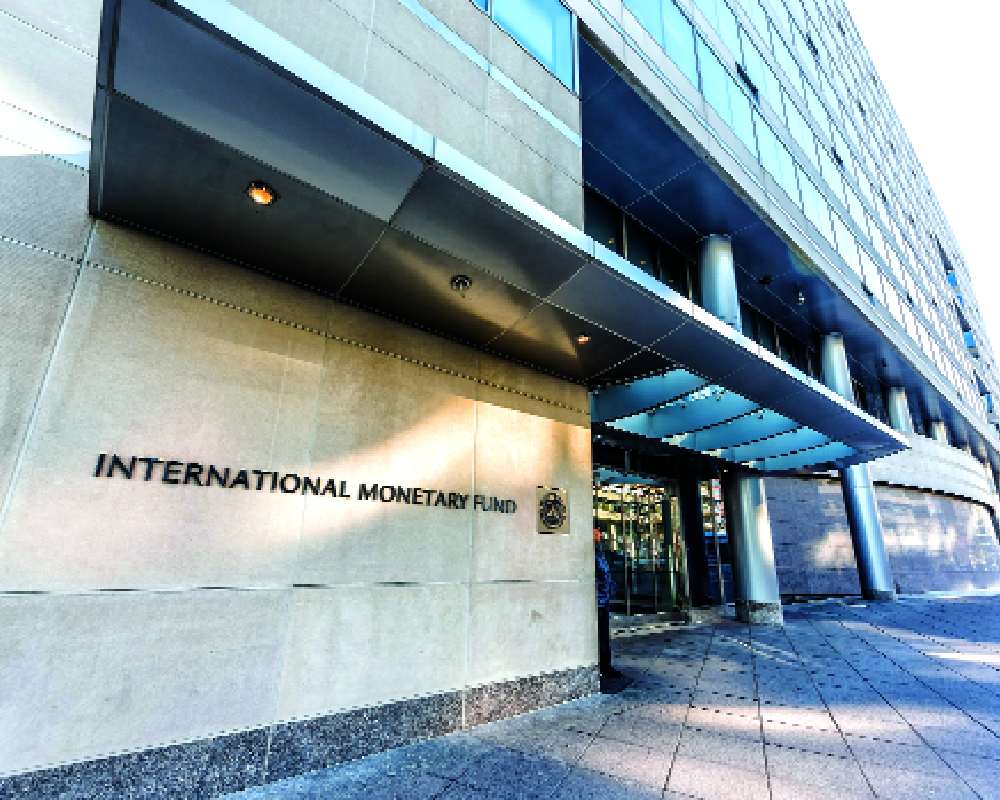
In a critical analysis of India’s economic data, the International Monetary Fund (IMF) has given a ‘C,’ or the second-lowest grade, to it. The global institution states that the numbers related to GDP and, hence, its growth rate, have “shortcomings” that “hamper surveillance,” or the ability to gauge their veracity. It points at weaknesses in methodology, which raise questions about the figures. Critics link such observations to the higher-than-expected GDP growth in the past two quarters, especially in the light of global disruptions, and domestic issues, despite the positives of GST 2.0. In the recent past (see Our Take), India has consistently defied the odds, and achieved growth rates that were unexpected. The C-grade relates to national accounts data, which includes GDP, and gross value-added. Across overall data categories, India got a B. The frequency and timeliness of the data were regular.
One of the major problems with the national accounts is the base year of 2011-12. India hopes to update it to 2022-23. According to the IMF, “The use of updated sources to better capture the structural changes in the economy… (and) the use of additional administrative data sources is being explored.” Both these measures will better reflect the existing conditions, which include production technology, and user preferences, and “contribute to a more accurate measurement of the GDP by avoiding over- and underestimating economic activity due to, for example, the use of an outdated structure of relative prices.” The existing data sources such as household consumption and expenditure survey, period labour force survey, and annual survey of industries, the IMF feels that the use of the proposed GST data, e-Vahan portal data, and petroleum sector data will vastly improve the figures in the future.
Other issues include the need to align the compilation techniques used in the calculation of the quarterly data with the global recommendations. There is a need to improve the quarterly data by updating the industrial production index, with updated weights, as also align the base year with the national accounts. Seasonally-adjusted estimates, and analysis of the benchmarking techniques need to be developed further to provide better numbers. The Government can consider if it wishes to improve the services production index. The fact remains that most of the economic activity in the country is still huddled in the informal sector, and current data sources do not adequately capture these trends, and patterns. Official statistics considers an approximation that is largely true, but wavers too much from reality during crisis years. One of the prominent examples is what happened to GDP and growth during demonetisation, and pandemic when a large proportion of the informal sector was either wiped out, and adversely impacted.
Inflation figures, though better than GDP ones, and graded B by the IMF, require suitable improvements. For example, the Fund thinks that India is on the right path to upgrade the consumer price index to 2024, with weights based on the 2023-24 household consumption and expenditure figures. Methodological positives include enhanced sample size (market and outlets coverage), and data collection using computer-assisted personal interviews, and cloud-based compilation software. Apart from the better tech platforms, compilation needs to better include imputed housing rents, quality adjustment, and free food items. Like in the case of GDP, the Government can include additional data sources such as figures from the e-commerce platforms, airfare online platforms, and administrative sources. “Updating the current, outdated base year, items basket, and weights aim to improve the accuracy of the CPI basket in representing current spending habits,” states the IMF. Critics have implored that households’ spending has changed over the past two decades, and there are vast differences between different socio-economic classes.
In terms of specifics, the IMF feels that the GDP data uses wholesale price indices as data sources due to the lack of producer price indices, “which may introduce cyclical biases.” There are sometimes sizable “discrepancies” between the production-led and expenditure-driven approaches, which indicate the need to enhance the coverage of the latter, as also that of the informal sector. In the case of CPI, the basket “likely fails to accurately represent current spending habits.” In the case of government finance, there is no consolidated central and state government fiscal data since 2019, and general data, which can include local government, and extra-budgetary funds are not compiled. The saving grace is that the Reserve Bank of India publishes a “limited set” of consolidated fiscal aggregates. But this specific data comes after a lag of one year, as is the case with the central bank’s banking sector data, which has a lag of three quarters, “which is behind some other emerging and advanced economies.”
However, the IMF report does not highlight anything new. The assessment does not indicate a change. “Data weaknesses have remained broadly unchanged since the last… consultation, though plans towards upgrading real sector statistics are advancing. The sample design for the Periodic Labour Force Survey was revamped from January 2025, increasing the frequency of key labour market indicators…. With the release of the March 2025 data, the timeliness of the quick estimate of the industrial production index improved from six weeks to 28 days after the reference month. The timeliness of Balance of Payments data improved from around 90 to 60 days after the reference quarter,” states the IMF report.