BJP demands Sonia Gandhi's apology as Vande Mataram row turns political in Bengal
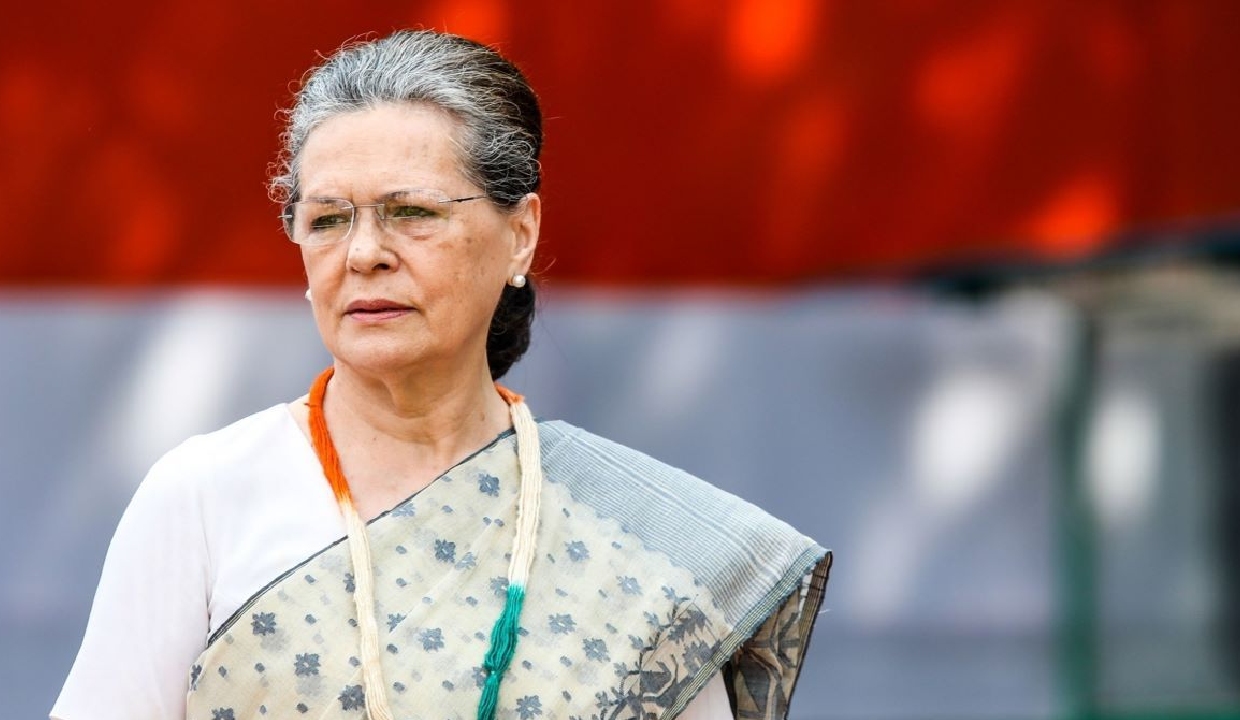
The controversy over the singing of the full version of "Vande Mataram" at the Congress headquarters in New Delhi has taken a political turn in West Bengal, with the BJP demanding an apology from Sonia Gandhi and threatening protests across the state.
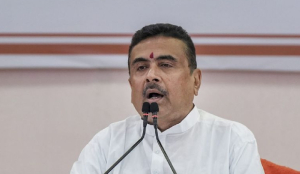
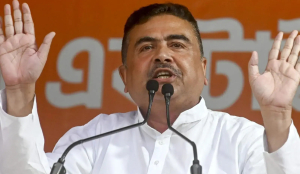
West Bengal Chief Minister Suvendu Adhikari on Sunday, August 16, alleged that Gandhi had objected to the singing of the complete version of the national song during the Independence Day function, saying the incident had deeply offended people in the state, where Bankim Chandra Chattopadhyay is revered as "Sahitya Samrat."
He demanded an unconditional apology from Gandhi and warned that failure to do so could lead to widespread protests.
"Yesterday was Independence Day. During the event at the Congress headquarters in Delhi, when Vande Mataram was being sung, Sonia Gandhi expressed her displeasure at singing the full version. The entire country witnessed this on live telecast," Adhikari told reporters.
He accused the Congress leadership of trying to explain away the episode and said video footage would establish what happened. "As Chief Minister, I feel that insulting Vande Mataram is an insult to Bankim Chandra himself. I strongly condemn this," Adhikari said, alleging that the Congress was pursuing "appeasement politics" to satisfy a particular vote bank.
The BJP's Yuva Morcha announced a protest rally in Kolkata, with a proposed march from Esplanade to Moulali, adding a street-politics dimension to the row in Bengal.
The Congress has denied the BJP's allegation that its senior leaders showed disrespect to the national song or attempted to stop the singing of its full version.
The party has maintained there was no attempt to interrupt the rendition, and that Gandhi was only asking for a chair for Congress president Mallikarjun Kharge, who had been standing for some time.
The competing versions have turned a brief episode at a party function into a broader political contest over nationalism, the freedom movement and the legacy of Bankim Chandra a particularly potent line of attack in Bengal.
Adhikari also sought an explanation from Kharge, asking the Congress president to clarify the party's position and asserting that any insult to the national song amounted to an insult to the nation.
The controversy has also drawn an intervention from BJP MLA Sumitro Chatterjee, a fifth-generation direct descendant of Bankim Chandra, who has written to Congress Parliamentary Party chairperson Gandhi seeking an unconditional apology.
Chatterjee said he was writing as an ordinary citizen, a patriot and a direct descendant of the author of "Vande Mataram," describing the alleged August 15 incident as "not merely unfortunate but a shameless repetition of a historical mistake."
Chatterjee invoked Sri Aurobindo's description of "Vande Mataram" as a mantra that had initiated the nation into the "religion of patriotism," arguing that reluctance to allow the complete rendition of the song in independent India would amount to disrespect for the sacrifices of the freedom struggle.
He cited the song's nationalist history, including Rabindranath Tagore's rendition at the Calcutta session of the Indian National Congress, its use by supporters of Bal Gangadhar Tilak during his sedition trial, and its adoption by nationalist students at Hyderabad's Osmania University in 1938 despite restrictions imposed by the Nizam.
Chatterjee also drew a historical parallel with the Congress's 1937 decision to accept a truncated version of the song amid objections from sections led by Mohammad Ali Jinnah, alleging that the "shadow" of that compromise was visible again in the party's conduct.
He pointed out that the Congress's own West Bengal student organisation, Chhatra Parishad, uses the slogan "Mantra moder sanjeevan Vande Mataram," questioning why the party's top leadership would be uncomfortable with the song.
The political charge has gained additional traction because of a recent change in the legal status of the national song. Parliament last month passed the Prevention of Insults to National Honour (Amendment) Bill, 2026, extending to "Vande Mataram" provisions that already applied to the national anthem. The Lok Sabha cleared the legislation through a voice vote on July 30, a day after its passage in the Rajya Sabha.
The government has said the amendment places "Vande Mataram" on par with "Jana Gana Mana" by extending legal provisions against intentional insult or disruption of its singing.
Under the existing law, intentionally preventing the singing of the national anthem or causing disturbance to an assembly engaged in its singing is punishable with imprisonment of up to three years, a fine, or both.
Adhikari also pointed to the state government's earlier decision making the morning assembly recitation of "Vande Mataram" mandatory in government and government-aided schools, seeking to contrast West Bengal's official embrace of the song with what the BJP portrays as the Congress's alleged discomfort with it.
(Inputs from PTI)