Bangladesh: Student leader’s death sparks anti-India protest
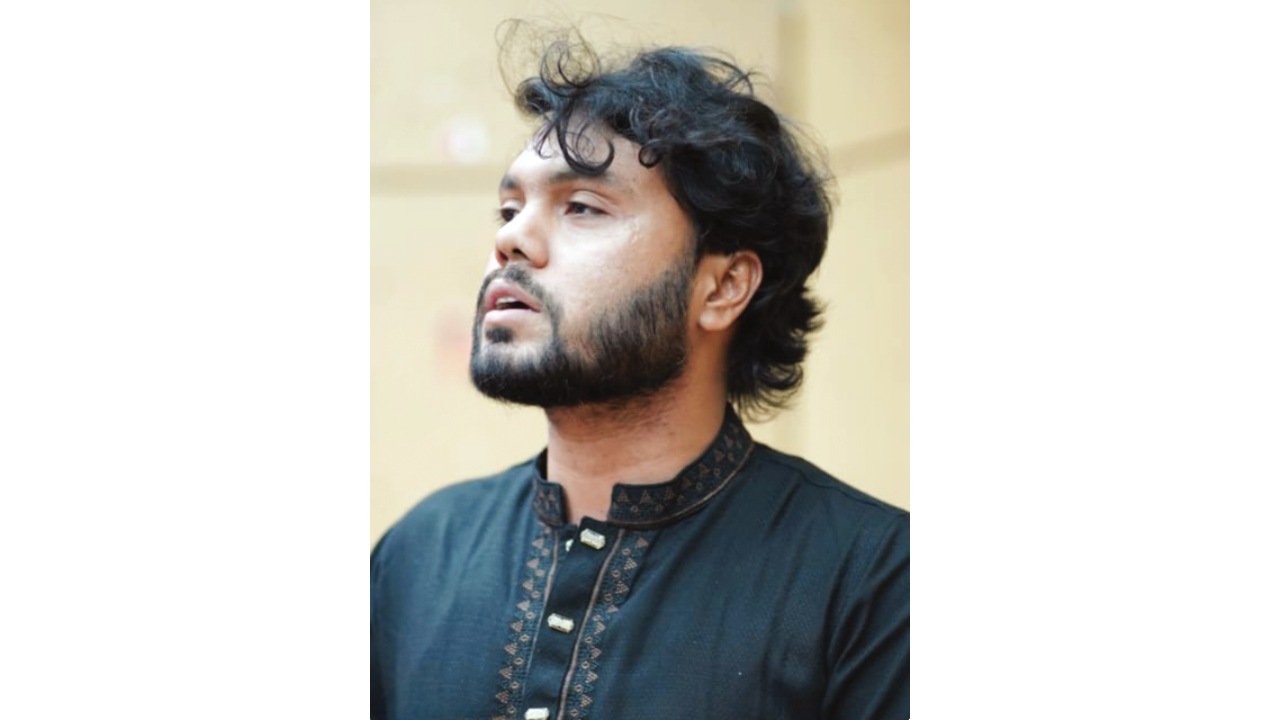
A day-long protest rally was held in Dhaka on Tuesday by the party of slain student leader Sharif Osman Hadi, demanding justice for his killing and raising a series of political and diplomatic demands, including the cancellation of work permits to Indian nationals in Bangladesh.
The rally, organised by Inqilab Moncho and titled March for Justice, began around 11.30am from Shahbagh and moved through several major areas of the capital, including Science Lab, Mohammadpur, Mirpur-10, Uttara, Bashundhara, Badda, Rampura and Jatrabari, before concluding at Shahbagh in the evening. Protesters travelled both on foot and in pickup vans, chanting slogans calling for accountability and punishment of those responsible for Hadi’s death.
Participants said the demonstration was aimed at drawing public attention to what they described as slow progress in the investigation into the killing. They demanded that all involved in the crime, including the shooter, planners, accomplices and anyone who provided shelter to the suspects, be arrested and tried before the February 12 parliamentary elections. As part of its four-point demand, Inqilab Moncho also called for the repatriation of the alleged killers, whom it claims have fled to India.
The group warned that if India refuses to hand them over, the Bangladeshi government should pursue the matter at the International Court of Justice. Indian authorities, however, have rejected claims that the suspects crossed into India, saying there is no evidence of illegal border movement.
The protesters further demanded that alleged collaborators within the Directorate General of Forces Intelligence be identified, arrested and brought to justice, alleging that certain individuals within the security apparatus may have aided those responsible for the killing.
Sharif Osman Hadi, 32, rose to national prominence during the July-August 2024 mass protests that led to the fall of the Sheikh Hasina-led government. He was shot in the head on December 12 while campaigning in Dhaka as a candidate for the upcoming parliamentary elections. After being airlifted to Singapore for advanced treatment, he died on December 18.
Hadi’s killing has triggered renewed political unrest in Bangladesh and contributed to tensions in Bangladesh-India relations, following allegations of an Indian link to the crime. New Delhi has strongly denied the accusations, calling them false and misleading, while reiterating its support for peace and stability in Bangladesh and calling for a thorough investigation.
Despite official denials from Indian security agencies, the case continues to resonate in Bangladesh’s political arena, with opposition groups warning that unresolved questions surrounding the murder could further destabilise the country ahead of the national polls.