Atal Bihari Vajpayee, My Mentor
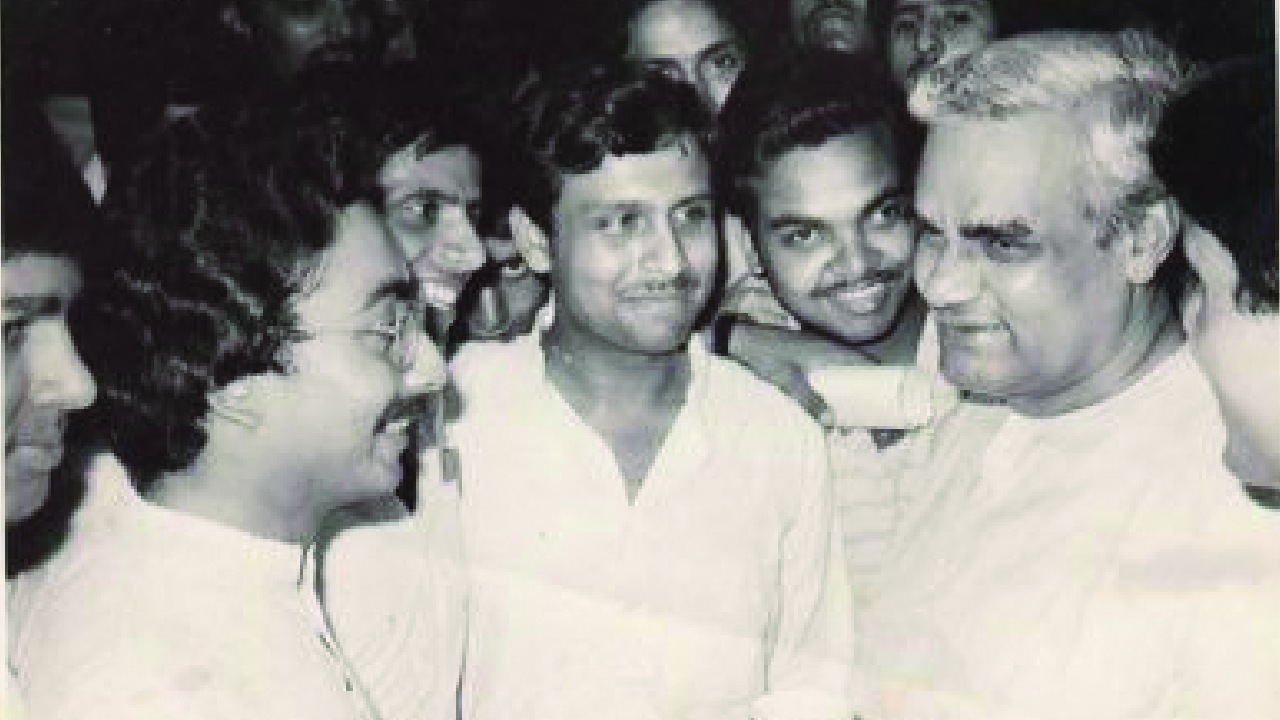
When I was a child, conversations among the elders in my family often revolved around the political climate of the time. By the time I became conscious of the world around me, the country was in the throes of the Emergency. I was just 12 or 13-years-old then. It was a time shaped by the call of Atalji, a unique phase in the nation’s political journey. After the Emergency ended, I began attending Atal Bihari Vajpayee Ji’s public meetings with my uncle. Listening to him left a profound impression on my young mind, and from that point on, I began to follow him earnestly.
When I entered university in 1980, at the age of 17, I had the privilege of connecting with Atalji more closely through my involvement with the Akhil Bharatiya Vidyarthi Parishad and student politics. This association brought me not only into his presence but also to his residence on many occasions. His command over language, his clarity of thought, and his deeply humane style of speaking left a lasting impact on me. I believe it was this influence that gently steered me towards public life.
Atalji was a man of rare integrity, clear in thought, pure in heart, and poetic in spirit. His speeches stirred something deep within me. I was so inspired by him that when I got married at the age of 24, he graciously joined my wedding procession as a member of the baraat. Such was his simplicity and warmth. He made even the youngest party worker feel seen and valued, always attuned to their emotions and standing by them with unwavering support. That is one of the many qualities I learned from him. One memory, in particular, remains deeply personal to me. When I got married on 1 November 1987, I was an ordinary BJP worker with modest means. Yet, with the simplicity of a worker’s faith, I invited Atal Bihari Vajpayee to my wedding at the Police Colony in Hauz Khas, even though he already had a prior commitment to travel to Bhopal for an official event. I neither expected nor presumed his presence. What followed was a gesture that revealed the depth of his character.
Despite his demanding schedule, Atalji graciously altered his programme and ensured that he attended my wedding. There was no formality in his gesture, no sense of obligation. He came with warmth and ease, making a young worker feel valued and affirmed.
That moment was not merely a personal honour but a lesson in humility and human connection. It reflected his belief that public life did not diminish personal bonds, and that respect for individuals lay at the heart of leadership.
Whether in Government or in opposition, Atalji’s stature transcended political lines. He built consensus, brought together diverse voices, and led with dignity. Even his critics found it difficult to speak ill of him. He harboured no ill will, no envy, and no animosity. He was an ideal in himself. His life and leadership continue to inspire all who believe in the nobility of public service.
Years later, when I was elected Standing Committee Chairperson of the Municipal Corporation of Delhi in 2008 and was preparing to present the budget, I went to seek his blessings once again. He listened attentively and asked a single, searching question about what provisions had been made for the weaker sections and the poor. In that question lay the essence of his life and leadership. Whether in government or in opposition, Atalji rose above divisions, built consensus with quiet authority, and led with grace. His legacy endures as a reminder that the highest form of public service must always be guided by empathy, moral clarity, and an unwavering commitment to the common good of all. Speaker, Delhi Assembly