Assembly sets Jan 2027 deadline on CAG liquor audit action
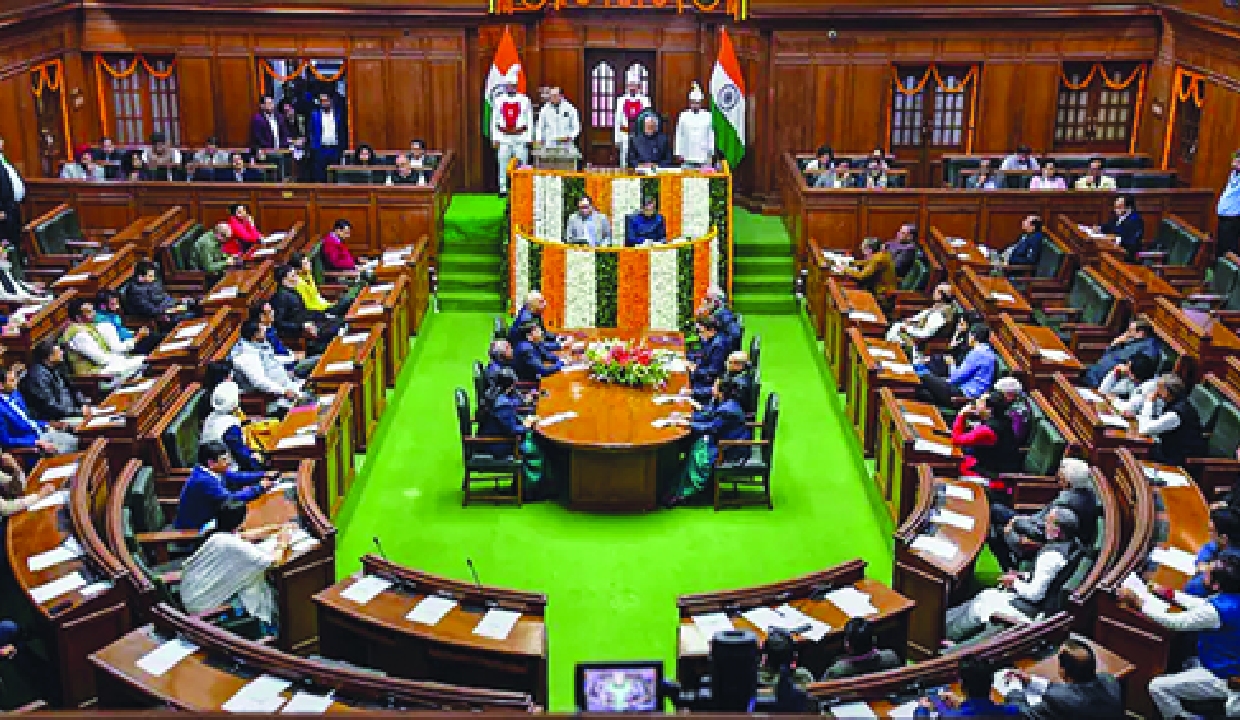
The Delhi Legislative Assembly has directed the Government to submit an Action Taken Report (ATR) by January 31, 2027, on the findings of a Comptroller and Auditor General (CAG) audit that flagged revenue losses of `2,026.91 crore in the regulation and supply of liquor in the national Capital.
The directive follows the adoption of the Second Report of the Public Accounts Committee (PAC) on the CAG’s performance audit of the excise system. The Assembly Secretariat has asked concerned departments to review the recommendations and provide a status update as of December 31, 2026, within the fixed deadline.
Speaker Vijender Gupta described the move as a step to enforce accountability and ensure time-bound compliance with legislative oversight. He flagged systemic failures in the excise framework and called for prompt action on the PAC’s findings.
A formal communication has been sent to the Excise Minister of the Delhi government and the Principal Secretary (Finance), asking them to initiate follow-up action and submit a comprehensive response. The direction places clear responsibility on the executive to act within a defined timeline.
According to the PAC report, the audit found serious deficiencies in multiple areas, including regulation, licensing, pricing, quality control, and enforcement. These lapses, the report noted, resulted in significant revenue losses and raised concerns about governance and public health.
One of the key issues highlighted was the failure of the Excise Supply Chain Information Management System (ESCIMS).
The system was found ineffective in tracking liquor sales due to heavy reliance on the “stock take sold” method and the existence of a large number of unaccounted barcodes. This created scope for revenue leakage.
The report also pointed out that the Excise Intelligence Branch (EIB) module remained largely non-functional and was not effectively used for intelligence gathering. This weakened the enforcement framework and limited the department’s ability to act against violations.
The Speaker further noted irregularities in the licensing process. These included the non-production of records and the issuance of multiple licences to related entities.
The report also flagged a lack of clarity in defining Ex-Distillery Price (EDP) and Ex-Brewery Price (EBP), which led to discretionary pricing and undue benefits to license holders.
In addition, restrictive sourcing policies and weak demand assessment contributed to illegal activities such as liquor smuggling. Poor coordination between departments and failure to use confiscation data effectively further worsened the situation. The report said enforcement agencies did not adequately respond to permit misuse or identify hotspots.
To address these issues, the PAC recommended a series of corrective measures. These include the expedited implementation of the e-Abkari portal with a robust track-and-trace system, improved barcode scanning and geo-tagging, and strengthening of the IT infrastructure.
The committee also called for filling gaps in the IT cadre, stricter scrutiny of licensing, and regular quarterly monitoring. It stressed the need for mandatory documentation and clearer pricing mechanisms, including a uniform minimum EDP and regulation of profit margins.
The Speaker emphasised the importance of fixing accountability for past irregularities and adopting a data-driven enforcement strategy. He said these steps are necessary to ensure transparency, efficiency, and long-term sustainability in the excise system. The Assembly’s directive marks the beginning of a critical follow-up process. It aims to ensure that audit findings lead to concrete administrative action and measurable outcomes.