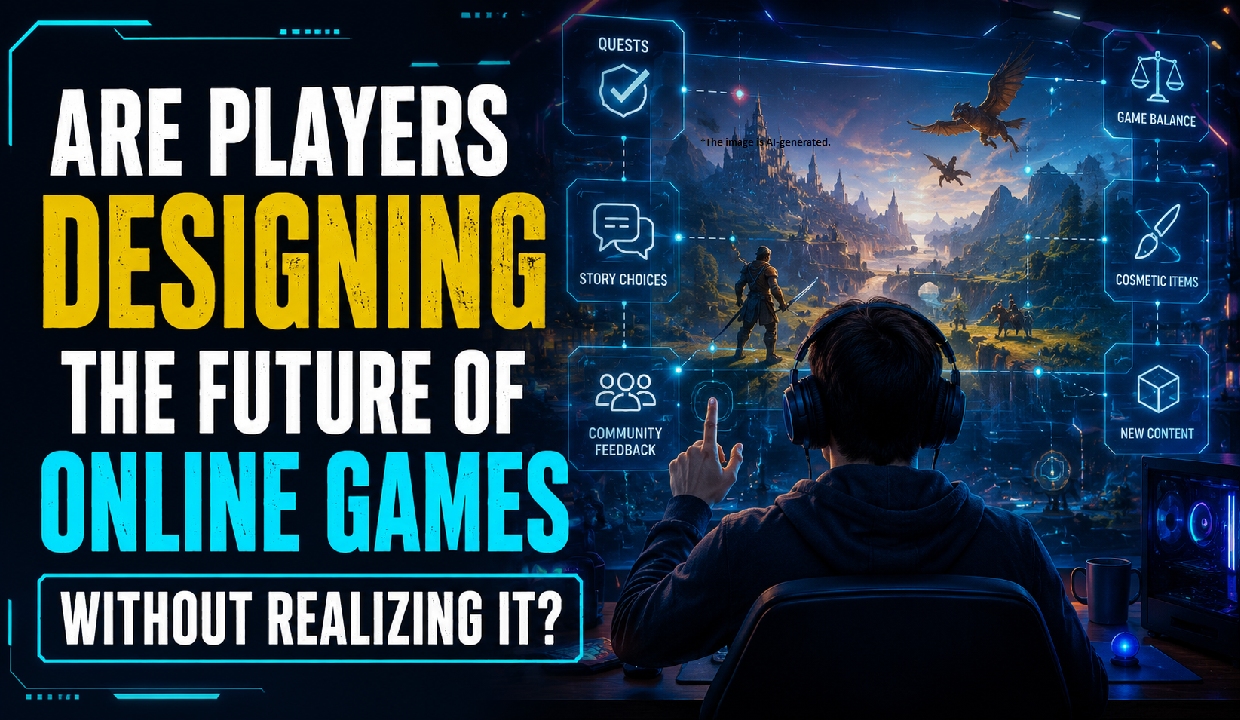
Are Players Designing the Future of Online Games Without Realizing It?
Walk into any online game lobby right now and you might find a player using a wildly unique weapon skin or a custom avatar outfit created by someone in the community. These aren’t just cosmetic add-ons; they’re a visible reminder that online games today are shaped as much by their players as their developers. The phenomenon of player-created items has spun gaming culture in directions few predicted, changing not just how games look but how players connect.
Digital marketplaces saw this trend building for years. A prime example is the thriving economy around CSGO skins, where players buy, sell, and trade virtual weapon designs for Counter-Strike titles. What started as simple customizations evolved into an entire ecosystem where creativity, player status, and personal flair merge right inside the games themselves. Today, gamers proudly showcase their rare finds, while designers can see their own work used by thousands of players globally.
How Custom Content Redefined Value and Ownership in Gaming
The shift toward user-generated items changed gaming economies and blurred the line between creator and consumer. People who once just played games now influence the worlds they inhabit, picking and personalizing digital assets instead of settling for factory-standard options. This shift rewrote the definition of ownership, suddenly, having something unique in-game felt as real and significant as owning physical collectibles on a shelf.
The hunger for individuality goes beyond surface-level trends. Some players spend hours searching for the perfect skin to match their virtual identity, while others engage in communities that rate and review user-created designs. Options are endless, so the simple act of buying or equipping something distinct is both a statement and a social connection. It’s now just as common to hear players ask, “Where can I buy digital games?” as it is for them to hunt for the next must-have item.
Players looking to buy digital games or in-game items have more options than ever before. Alongside official platform stores, digital marketplaces offer a way to buy game keys, skins, or gift cards. Eneba stands out for quick code delivery and clear region tags, letting buyers make fast and informed decisions while browsing deals from merchants worldwide.
Why Every Player Has a Stake in the Digital Marketplace
Game studios have slowly handed the reins to their most dedicated fans, letting them shape storefronts and even influence trends within their favorite titles. A well-made skin by a community creator might become more coveted than anything rolled out by the studio itself. Marketplaces now index and display thousands of user-created assets, and buyers tend to trust those with positive reviews or a proven track record.
The result? A living, evolving digital catalog that grows with the community’s tastes, rewarding creativity and offering players a chance to stand out with each item they choose. This cyclical relationship keeps titles relevant and dynamic, as new content rolls out weekly, if not daily, from gamers themselves.
Experiencing games no longer stops when you log out. Ownership of digital items is portable, tradable, and often usable across sequels and spin-offs. This new world means every player can participate, by designing, curating, or simply selecting what fits their style from a global pool of content. As gaming expands and tastes evolve, digital marketplaces like Eneba offering deals on all things digital make sure the next trend is only a few clicks away.