Are Online Gaming Communities the New Town Squares for Young Voters?
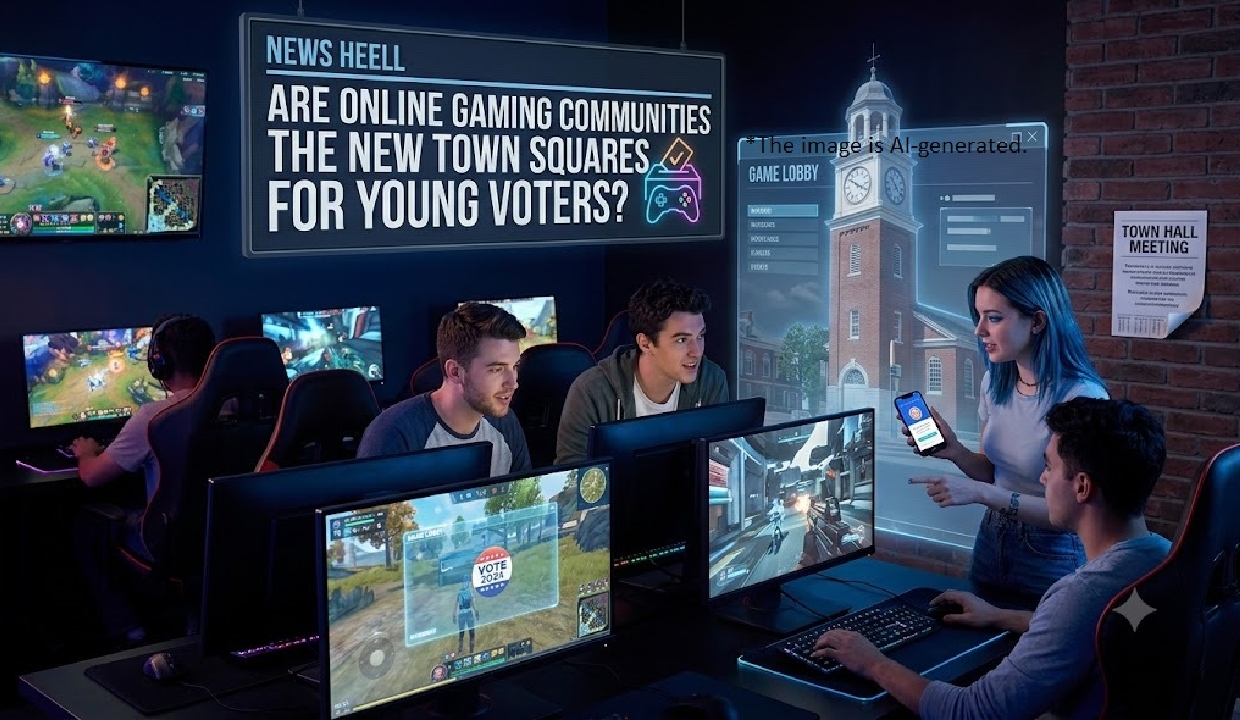
Scroll through any multiplayer lobby or Discord chat, and you’ll spot a unique kind of social energy. It isn’t just about strategies or teamwork, it’s where opinions fly, ideas germinate, and arguments simmer, not unlike the bustling debates of old town squares. The rising influence of online gaming communities on today’s young voters can’t be dismissed. These virtual spaces create platforms for discussion that exist outside traditional institutions, and their reach is only getting wider.
The global nature of gaming means that political ideas cross borders just like memes or strategies do. Consider how a Valorant gift card gives young people instant access to worldwide communities, connecting players in Mumbai with those in Madrid. Conversations in these digital circles jump from tactics to local elections or global causes, often before a match even loads.
In these spaces, digital gift cards play a surprising role beyond gifting. For those curious about how do digital gift cards work, the process is simple: a buyer receives a redeemable code, which is entered on the relevant service, like a game platform, to access credit or content. Eneba stands out for those who prioritize region clarity and quick access, making it easier for players to join friends on different servers, no matter their home country.
Why Are Young Voters Flocking to Virtual Communities?
Physical spaces for youth debate are shrinking. Libraries, youth centers, and community halls simply don’t draw crowds like they once did. By contrast, the online arena thrives, fuelled by low barriers to entry and the freedom to express opinions under a chosen username. Young voters aren’t waiting for invitations, they’re finding conversation partners from every continent, all inside their favorite games.
Tough subjects come up almost inevitably. From debates on internet privacy to polls about local school funding, in-game chats can be just as heated and nuanced as any public gathering. Because these discussions are woven into everyday fun, they tend to be less formal, disarming cynicism and encouraging frank opinions.
Moderation remains an obstacle, with toxicity sometimes threatening dialogue. Yet many communities are proactive, crafting their own rules to keep debates civil. The self-policing aspect feels more democratic than broadcast platforms, where control is wielded from the top down.
Are Virtual Spaces Shaping the Political Future?
It’s hard to argue against the fact that conversations in gaming circles don’t just linger online, they filter into real decisions. A heated chat about environmental policy can prompt a player to sign a petition or plan to vote. The influence is subtle but cumulative, as confidence in expressing personal beliefs grows with every late-night debate or meme-filled argument across servers.
Gift cards and region compatibility make these interactions regular and accessible, emphasizing freedom over restrictions. It’s the power to congregate and converse, regardless of border or timezone, that’s pushing online gaming communities toward a modern version of democracy’s gathering place. That shift toward region-spanning, youth-led discussion is already visible on platforms like Eneba, where access to digital spaces transcends regional boundaries.