Air India Cuts International Flights Amid Rising Fuel Costs and Airspace Curbs
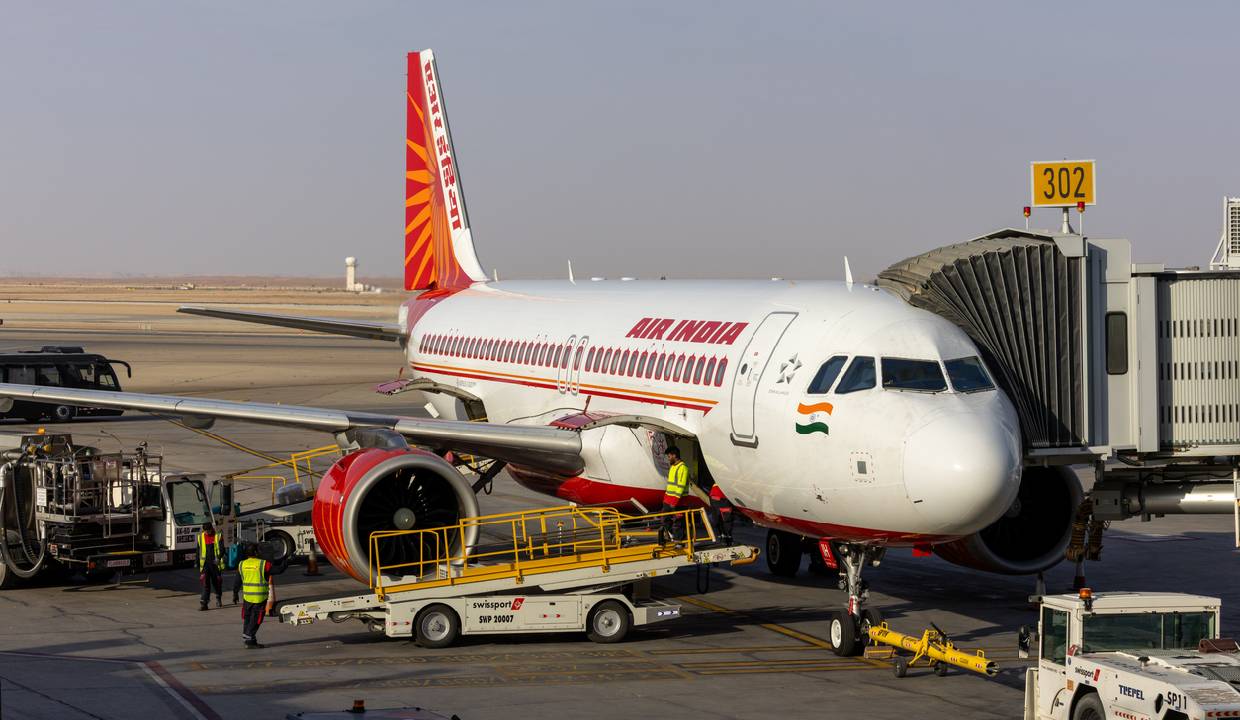
Air India has decided to scale back its international flight operations between May and July 2026, citing surging jet fuel prices and ongoing airspace restrictions linked to geopolitical tensions.
The move comes as airlines face mounting operational challenges due to the West Asia conflict, which has forced longer flight routes and significantly increased fuel consumption. The airline is expected to reduce services on routes connecting India to Europe, North America, Australia, and Singapore.
In a message to staff, Air India CEO Campbell Wilson said that several international routes have become financially unviable. He noted that continuing such operations would only deepen losses for the airline.
“The sharp rise in jet fuel prices, combined with restricted airspace and longer flying durations, has made many international flights unprofitable,” Wilson said, adding that the situation remains extremely challenging.
The airline group reportedly incurred losses of over ₹22,000 crore in the financial year ending March 31, 2026. While domestic operations have also been affected, the impact has been relatively lower due to government measures limiting fuel price hikes.
To manage rising costs, the airline has already increased airfares and introduced fuel surcharges. However, these steps have not fully offset losses, as higher ticket prices have started affecting passenger demand.
Industry concerns have also been flagged by the Federation of Indian Airlines, which recently warned that the sector is under severe stress due to escalating aviation turbine fuel (ATF) prices. The body highlighted that fuel costs now account for up to 55–60% of total operating expenses, significantly higher than the usual 30–40%.
The airline industry’s financial strain has been further aggravated by global oil price volatility linked to the ongoing conflict in West Asia.
Air India is expected to continue monitoring the situation and may adjust schedules further depending on fuel prices and geopolitical developments.