After Jordan, PM arrives in Ethiopia
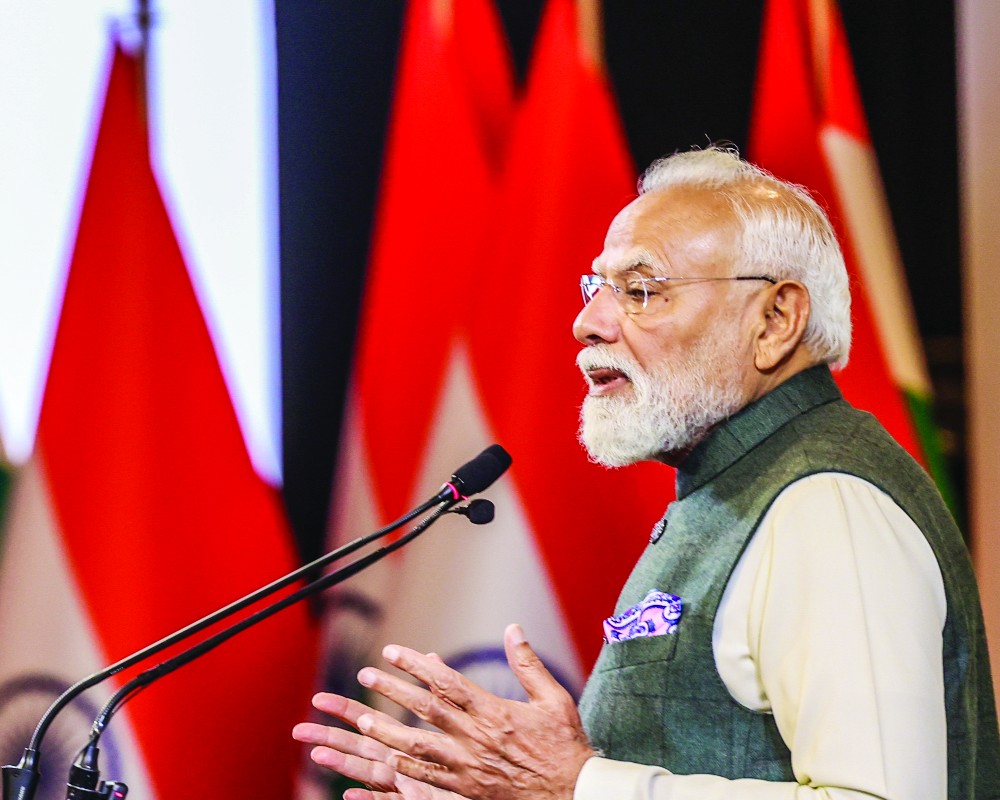
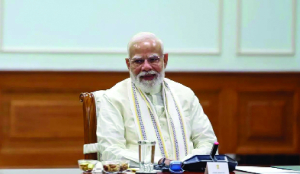
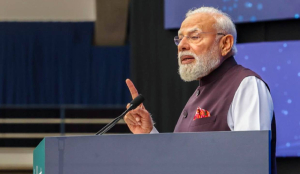
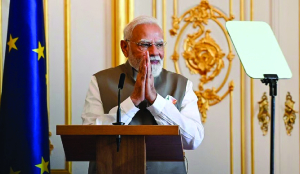
Prime Minister Narendra Modi on Tuesday arrived in Ethiopia on the second leg of his three-nation tour. This marks his maiden bilateral visit to the African nation. The visit is being seen as a significant step in deepening India’s political, economic and developmental engagement with Africa.
Modi was received at Addis Ababa’s Bole International Airport by Ethiopian Prime Minister Abiy Ahmed Ali, who accorded him a warm welcome. In an unusual personal gesture, Abiy Ahmed himself drove PM Modi to his hotel and later accompanied him to the Ethiopian capital. These visits were not part of the official itinerary and were widely viewed as symbolic of the personal rapport between the two leaders. In a post on social media, Modi expressed appreciation for the warm reception.
“I look forward to engaging with the Ethiopian leadership to further strengthen our partnership in diverse areas,” he posted.
During the visit, PM Modi is scheduled to hold both one-on-one and delegation-level talks with Prime Minister Abiy Ahmed, covering the entire gamut of India-Ethiopia ties. He is also expected to address a joint session of the Ethiopian Parliament and meet members of the Indian diaspora, which has played a significant role in strengthening people-to-people ties between the two countries.
Officials said the talks are expected to focus on expanding bilateral trade and investment, diversifying economic cooperation and enhancing connectivity. Opportunities in infrastructure development, information technology, mining, agriculture and manufacturing are likely to be key areas of discussion. Education, skilling and capacity building are also expected to feature prominently, with India having long supported Ethiopia through initiatives such as the Indian Technical and Economic Cooperation (ITEC) programme and scholarships offered under the Indian Council for Cultural Relations (ICCR).
Modi arrived in Ethiopia from Jordan, where he concluded a productive two-day visit marked by high-level engagements with King Abdullah II. During his Jordan visit, Modi held a one-on-one meeting with the King at the Husseiniya Palace ahead of delegation-level talks. The two sides signed several memoranda of understanding covering areas such as culture, renewable energy, water management, digital public infrastructure and a twinning arrangement between Petra and Ellora to promote heritage cooperation.
At the end of his Jordan visit, Modi said the discussions had strengthened the India-Jordan partnership across key areas including renewable energy, water management, digital transformation, cultural exchanges and heritage cooperation. A joint statement noted that bilateral trade between India and Jordan stands at about USD 2.3 billion, making India Jordan’s third-largest trading partner, and both sides agreed on the need to diversify the trade basket and enhance connectivity.
Leave a Comment
Comments (1)
Ethiopia offers a rapidly expanding job market supported by infrastructure development, manufacturing, agriculture, aviation, and public sector reforms. With large-scale industrial parks and international investment, demand for skilled professionals continues to rise. NGOs and development agencies also play a strong role in employment generation. Candidates looking for reliable job listings can visit https://www.ethiopiajobssearch.com for updated opportunities across multiple sectors.