After 10-year delay, Najafgarh drain corridor project gets green light
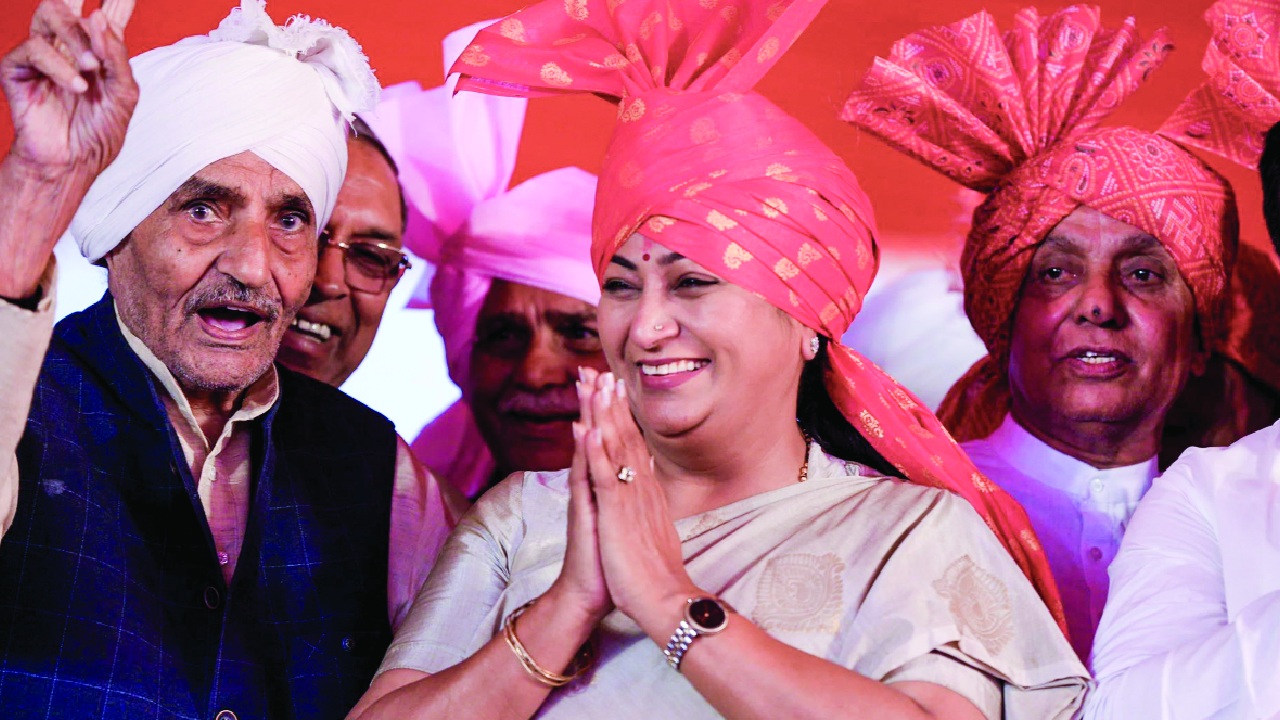
After almost 10 years of delay, the Rekha Government gave the financial nod to the construction of Najafgarh drain corridor project connecting Delhi and Gurugram to boost connectivity in outer Delhi.
A 61-kilometre road with 7 meters width will be built along the Najafgarh Drain with an estimated Budget of INR 453.95 crore. The Expenditure and Finance Committee (EFC), headed by Chief Minister Rekha Gupta, on Tuesday approved a proposal to this effect. The expressway is expected to provide major relief from traffic congestion for millions of commuters, particularly those travelling to and from West and South-West Delhi. This new corridor will act as a swift, high-capacity alternative transit route running parallel to UER-II (Urban Extension Road-II) and Ring Road.
Sharing details of the project after the EFC meeting, the Chief Minister said that a 5.94 km two-lane road will be constructed on the left bank from Jhatikra Bridge to Chhawla Bridge. From Chhawla to Basaidarapur, roads will be developed along both sides of the drain over a length of 27.415 km, totalling 54.83 km across both banks. The total developed length of the corridor will be 60.77 km.
“The Government aims to grant the necessary administrative approvals by March 2026, complete the tendering process by April 2026, and commence construction by May 2026. The project is targeted for completion by November 2027,” she said. Irrigation and Flood Control Minister Pravesh Sahib Singh Verma and senior officials of PWD, Flood and Irrigation, Finance and Planning Department were also present at the committee meeting held at the Delhi Secretariat.
The corridor will provide interconnectivity with major roads, including Outer Ring Road, Inner Ring Road, Shivaji Marg, Pankha Road, UER-II (connecting to NH-9 Rohtak Road), Najafgarh Road and other key routes. At Basaidarapur, it will link with the Inner Ring Road; at Keshopur with the Outer Ring Road; at Vikaspuri with Pankha Road; at Kakrola with Najafgarh Road; and at Dhulsiras with UER-II, enabling direct access to the airport and the Dwarka Expressway.
The project will connect rural and urban areas from Dhansa to Basaidarapur, benefiting Uttam Nagar, Vikaspuri, Najafgarh, Bijwasan, Chhawla, Goyla Dairy, Dwarka, Baprola, Nilothi, Paschim Vihar, Rajouri Garden and IGI Airport, among others. It will also strengthen connectivity to Gurugram Sectors 104 and 110, further enhancing links between Delhi and Haryana. Villages connected to the Dwarka Expressway, including Galibpur, Rawta Mor, Daurala, Jhuljhuli, Sarangpur, Dhansa, Ghummanhera, Shikarpur, Jhatikra, Kanganheri and Chhawla, will benefit from improved access. The project will also help safeguard Government land along the drain corridor.
The project has already received approval from the concerned technical committee and the Flood Control Board. Following the committee’s clearance, further formalities will now be completed. The Chief Minister stated that the primary objectives of the project are to reduce congestion on major roads, cut travel time and fuel consumption, and lower vehicular emissions. The corridor will provide a new direction to Delhi’s transport infrastructure by developing an alternative intra-city route within the Capital.
Under the project, a paved road approximately 61 km long and 7 metres wide will be constructed along the Najafgarh drain. Separate tracks will be developed for walking, jogging and cycling. A new bridge will be constructed near the Dwarka Metro Depot to facilitate smoother movement.
Landscaping and tree planting will be undertaken along the corridor. Where required, new boundary walls will be constructed and damaged walls repaired. Street lighting, signboards and proper drainage systems will be installed to prevent waterlogging during the monsoon.
“The project marks a historic step towards a sustainable, green and well-planned transport system in Delhi, enhancing ease of traffic movement, strengthening environmental protection and promoting integrated urban-rural development,” she added.
The Najafgarh drain elevated corridor was originally planned around 2012 by the Public Works Department (PWD) as a 14-27 km road to reduce congestion between West and North Delhi. After being put on hold, the project was revived, with the first phase of an elevated corridor officially approved in January 2023 and expanded, with new, major, 57-kilometre, two-lane, service road plans (or expressway) approved in December 2025.