AERA cuts Hyderabad airport user development fee by over 30%, imposes first-ever arrival charge
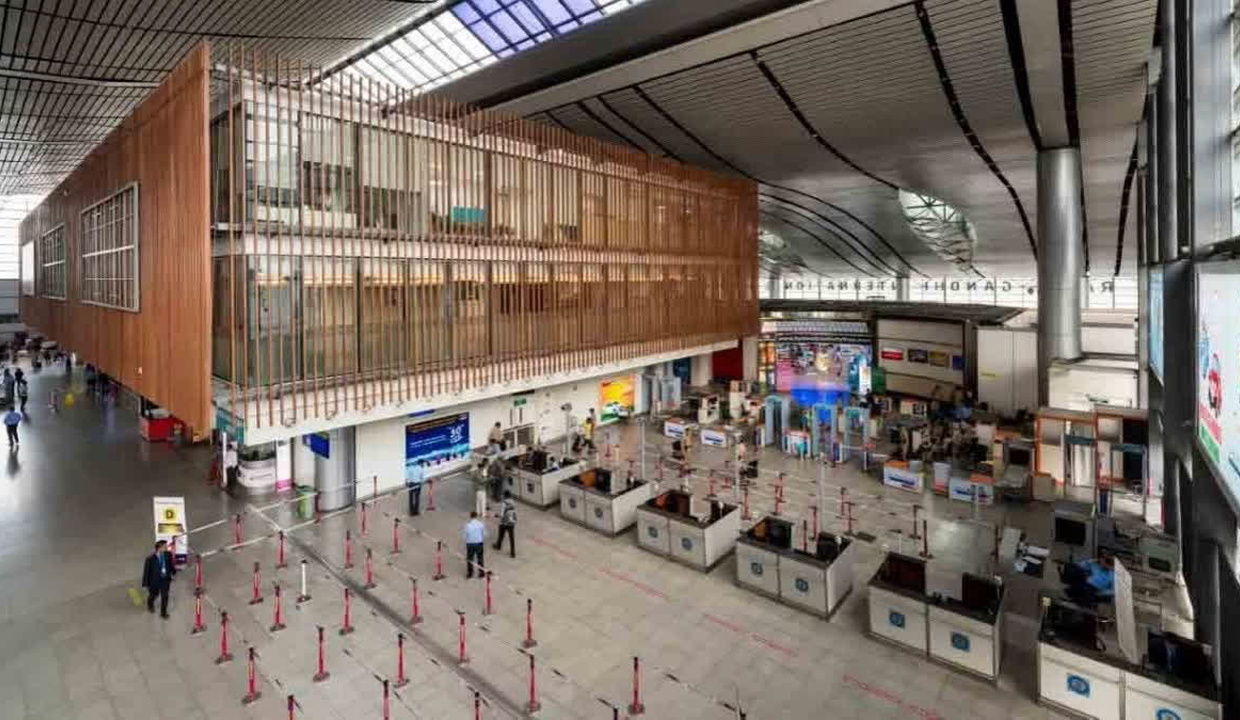
The Airports Economic Regulatory Authority of India (AERA) has cut the user development fee (UDF) for domestic passengers departing Hyderabad's Rajiv Gandhi International Airport by more than 30 %, from Rs 750 to Rs 515, effective September 1. The regulator has also imposed an arrival fee at the airport for the first time.
The revised tariff order will remain in force until March 31, 2031, AERA said. For departing international passengers, the UDF has been fixed at Rs 1,030, down from the existing Rs 1,500. It is below the Rs 1,150 proposed by the airport operator, GMR Hyderabad International Airport Ltd (GHIAL).
Arriving passengers will pay UDF for the first time. AERA's order of August 24 fixed the charge at Rs 220 for domestic arrivals and Rs 440 for international arrivals, Livemint reported. The regulator said UDF had been determined for both embarking and disembarking passengers because facilities such as aerobridges, travelators and conveyor belts are used by both categories. The allocation distributes the tariff burden more equitably among airport users, AERA said. The revised charges will apply to tickets issued on or after September 1.
The domestic departing fee will not stay at Rs 515 for the full period. It will rise to Rs 555 in 2027-28, Rs 620 in 2028-29 and Rs 670 between April and October 2029, The Times of India reported. It will fall to Rs 415 from November 2029. The fee stays below the existing Rs 750 through the control period.
The tariff order follows a new framework. AERA has adopted an incremental Aggregate Revenue Requirement (ARR) approach, The Hindu reported. Under the framework, recovery of project-related costs through airport charges is linked to the actual completion and commissioning of major capital projects. The approach prevents passengers from being charged upfront for large projects that are not yet operational. This includes new terminal buildings, runways and taxiways expected to be commissioned in the latter half of the tariff period.
GHIAL had proposed an ARR of Rs 27,851 crore for the fourth control period. AERA considered a baseline ARR of Rs 11,683.49 crore, which translates into a baseline yield per passenger of Rs 426.39. This formed the basis for determining the UDF, aircraft landing charges and parking charges, the regulator said.
Landing charges have been rationalised to Rs 435 per metric tonne for domestic flights and Rs 630 per metric tonne for international flights for the initial period. AERA has also allowed a variable tariff plan, structured as a landing-charge incentive mechanism, PTI reported. The plan is intended to provide incentives to airlines to expand their network and ramp up traffic at the airport.
Domestic passengers account for around 82% of total traffic at Hyderabad airport, The Hindu reported. AERA said the Rs 515 domestic departing UDF had been kept at a nominal level to keep air travel affordable for domestic passengers while supporting the growth of domestic aviation.
A further UDF component could be added once the proposed northern expansion of Hyderabad airport becomes operational, The Times of India reported. Under the incremental ARR framework, charges linked to high-value projects begin once the projects start operations.
Earlier this week, AERA slashed the UDF at Bengaluru International Airport to Rs 300 for domestic passengers, PTI reported. International passengers there will pay Rs 997, under the five-year control period till March 2031. The revised rates at both airports take effect September 1. Bengaluru was also brought under the incremental ARR framework.
In FY26, Hyderabad airport handled 30.5 million passengers, up 3.4% from 29.5 million in FY25, Livemint reported. International traffic grew 8.2% year-on-year, while domestic traffic rose 2.4%.
(With inputs from PTI)