A Swirling Dance of Brotherhood
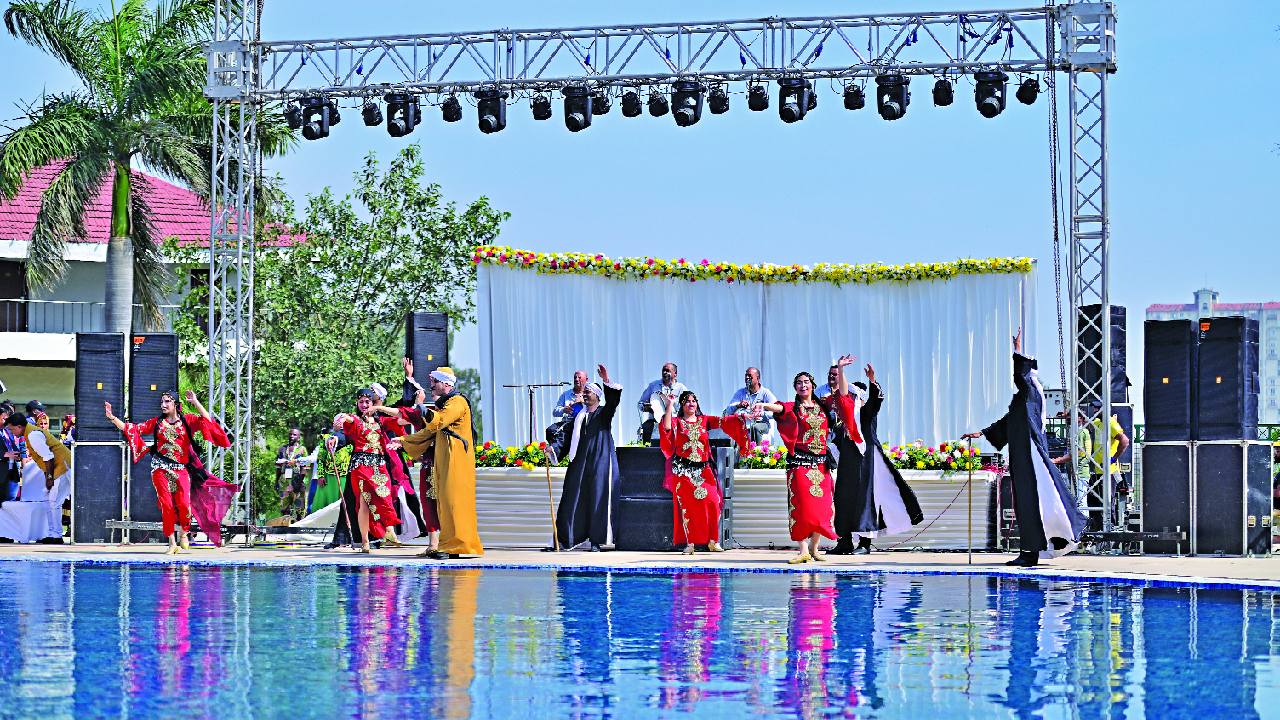
Can two old souls connect without words? At the 39th Surajkund Crafts Mela, the Ismailia Folk Arts Ensemble took the stage and sparked a live bridge from Nile banks to Ganges waters. Egypt, partner this year, shares heritage that beats on in its people, traditions tough through every storm. You feel it in the drum thumps, the whirling skirts-raw links that skip maps and time.
When a Tanoura dancer spins in a blurring kaleidoscope of colour, there is a spiritual reflection that has travelled across the Nile and the Yamuna for millennia. This is the ‘Habibi’ spirit. While the word literally means ‘my love’, here in the dust and music of the Mela, it translates to a visceral friendship. It is the sound of two civilisations trading souls and songs just as they have since the dawn of time.
The Tanoura dancer began “Al-Mawlawiya.” Watching that heavy, kaleidoscopic skirt spin into a blurred circle of light is a spiritual journey. As the dancer whirled, he seemed to physically detach from the material world, seeking a rare kind of inner peace and elevation. There was an instant, silent click of recognition from the Indian audience — a nod to our own shared Sufi roots. In that moment of spinning grace, Egypt and India stood like long-lost siblings searching for the same divine light.
Pure energy took over with the Saidi Dance from Egypt. Men masterfully handled their sticks in the traditional tahteeb, a raw and beautiful celebration of bravery. The piercing call of the traditional mizmar felt like a shout-out to our own folk traditions, mirroring the same grit and strength found in India’s rural heartlands. This shared fire on stage built a bridge of mutual respect that no textbook could ever replicate. The ensemble also brought the soft, salt-tinged tenderness of the coast to the dusty Mela grounds. Folk singers invoked the image of the dove in “Betghanni Le Meen Ya Hamam?” to channel love and longing. As those melodies floated, words became unnecessary- the emotion in the music reached every heart directly. Then the Melaya Dance — Alexandrian melaya leff costumes swaying playful and graceful. From those romantic bits to Nubian Dance’s earthy beat, every move celebrated life by the Great River.
These performers are the guardians of a legacy. By bringing the Simsimiyya, the iconic string instrument of the Suez Canal, to the Indian stage, they offered us a genuine piece of their soul. We saw the rhythmic toil of the Fishermen’s Dances from Lake Timsah and the soaring Bedouin celebrations of skill. Seeing these artists sweat, smile, and spin reminds us that real human connection is irreplaceable.
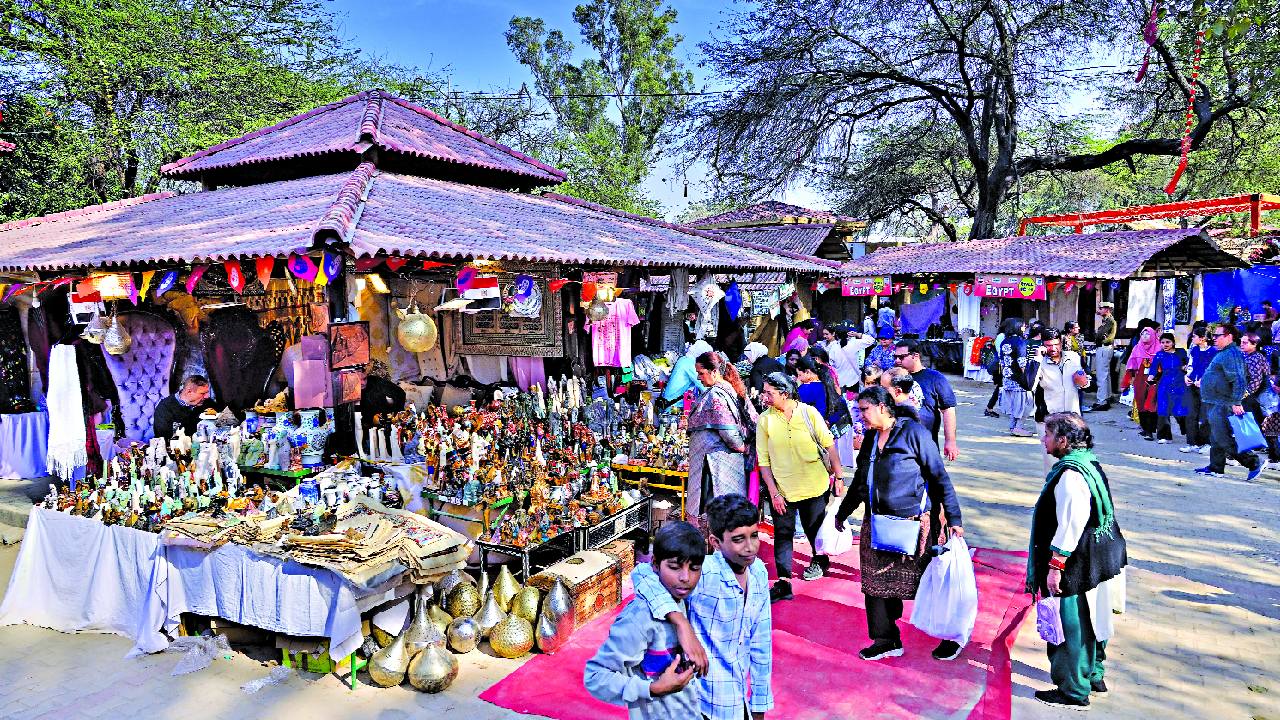
Can one piece of jewelry bridge two worlds? The artists cannot get over the warmth and curiosity from everyone here. Asam Yassin shares that his colourful wall hangings, made on wool and cotton looms, have been met with great love. At one corner, Geehan Khalifa from the Siwa Oasis shares how her team of 60 women preserves 400-year-old embroidery on modern linen. Their colours — blue, gold, and brick-come directly from the ancient temple carvings.
The jewellery section is another major highlight. Artists like Ouziiiiiii showcase pieces featuring the Wings of Isis or the Cleopatra necklace, using natural stones like garnet for protection and lotus designs to symbolise openness. Rania Helal and others display handmade pieces plated in gold, featuring lapis lazuli.
The pavilion feels incredibly alive with new ideas. Mariam, from Zawaya Art House, is busy giving traditional jalabiyas and abayas a fresh lease of life. She tailors these classic pieces for a younger crowd, mixing the old-school styles of Nubia and Siwa with bold, modern colours that really stand out. Then there is Mohammad, whose oil paintings practically breathe the air of Egypt into the room. His work is a tribute to “people to people” connections, showing how beautifully artists capture Egyptian traditions through their craft. He manages to catch those small, raw moments that make us human, from the quiet, steady dignity in an old woman’s eyes to the infectious energy of a wedding.
Culture has a way of building bridges exactly where maps try to draw lines. For a lot of these artists, it’s their first time ever setting foot in India, and honestly, the welcome they’ve had has been pretty soul-stirring. One of the performers mentioned feeling this instant connection, just noticing how much our worlds actually overlap. “Indians are just like us,” one said. “Warm, friendly folks who actually sit and talk with you.” Through these songs and dances, two ancient worlds finally see a bit of themselves in each other. It just goes to show that art not only care about borders — it belongs to all of us.
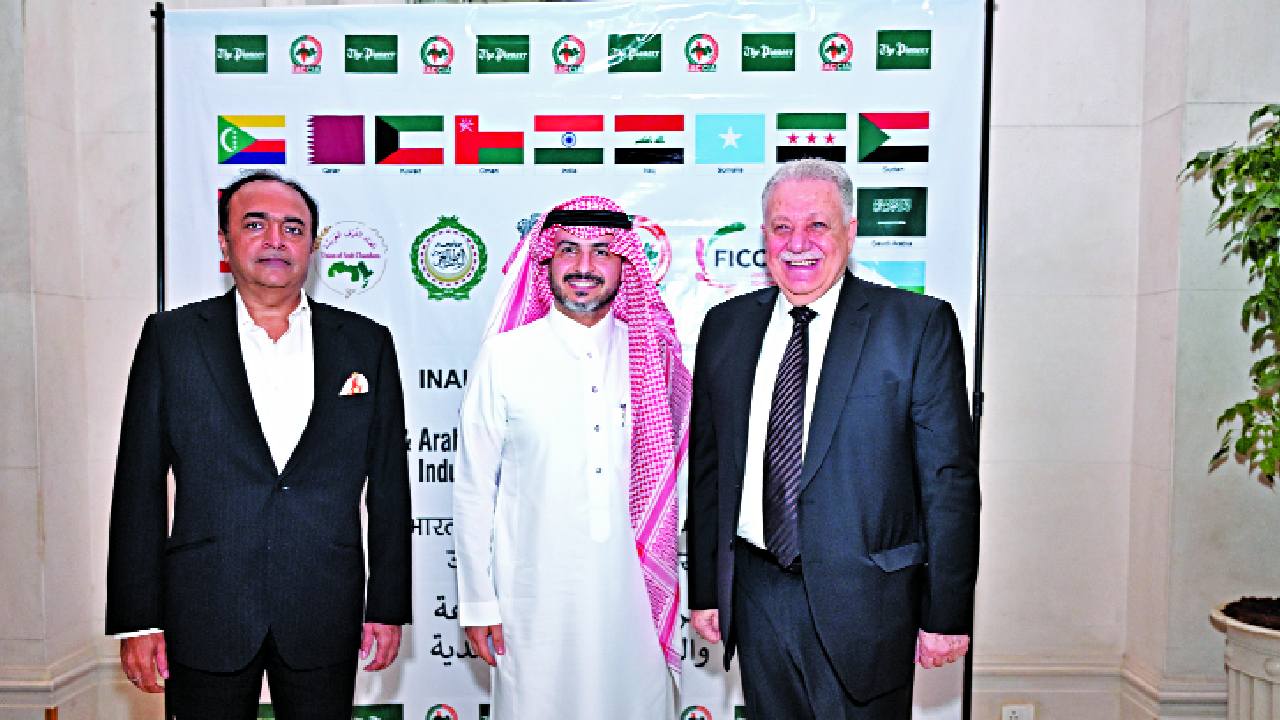
L–R: Prashant Tewari with an Arab Ambassador and Dr Waiel Awwad
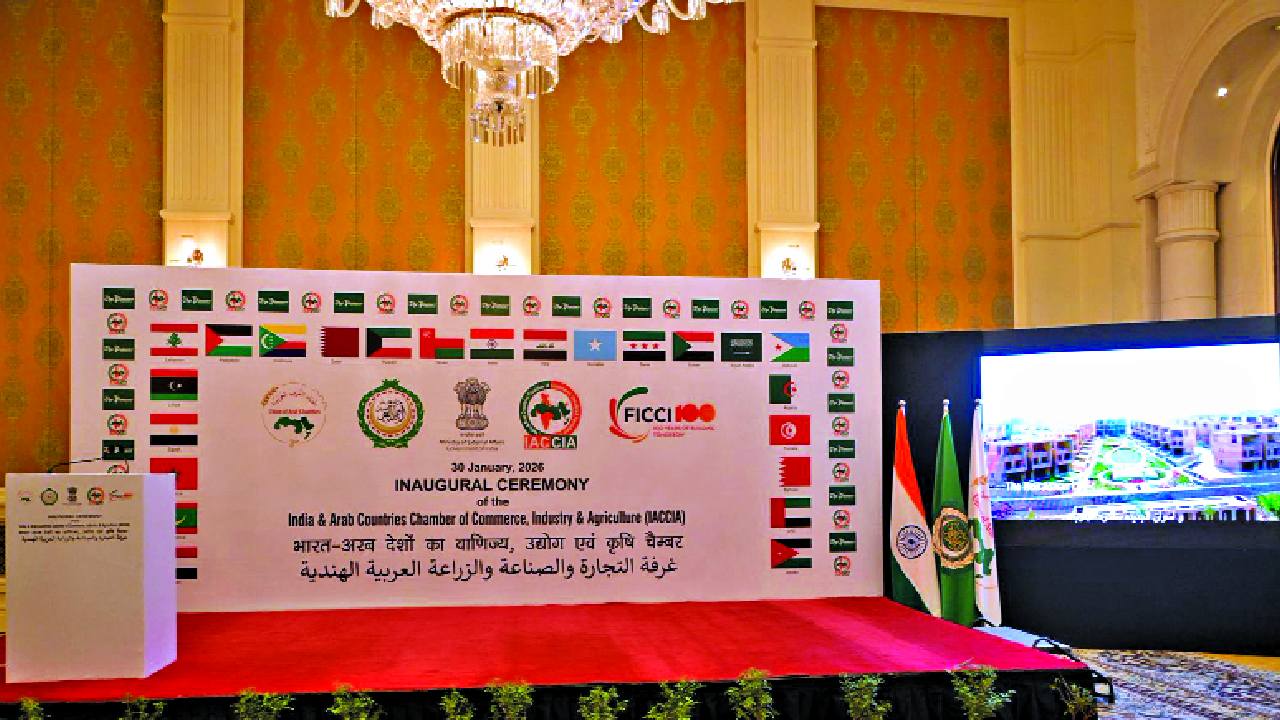
The Pioneer IACCIA summit venue at Hotel Leela in New Delhi
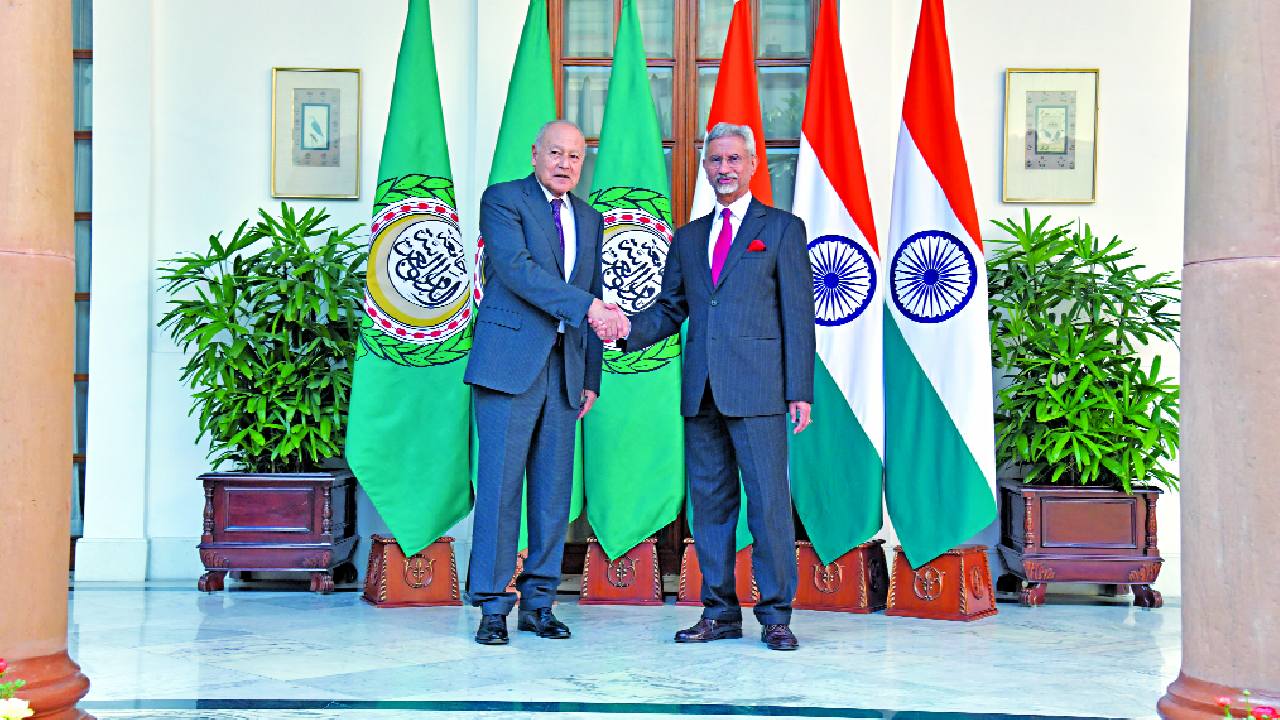
Secretary-General Mr Ahmed Aboul Gheit with India’s External Affairs Minister Dr S Jaishankar in New Delhi
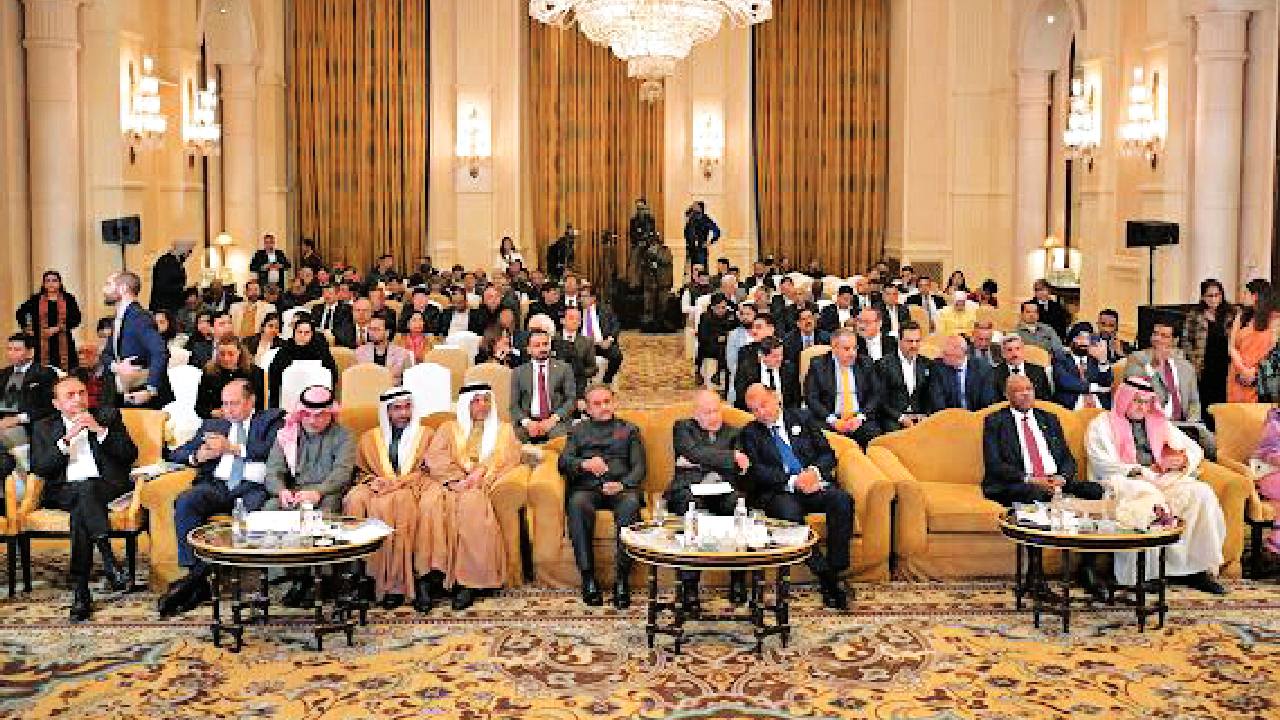
The IACCIA event was attended by Mr Ahmed Aboul Gheit, Secretary-General, League of Arab States; HE Shri Kirti Vardhan Singh, MoS, External Affairs Ministry; HE Khaled Mohammad Hanafy, Secretary-General, Union of Arab Chambers; leading Foreign Ministers, top diplomats, business tycoons, and bureaucrats from India and the various Arab states