A high-stakes bargain takes shape between Washington and Tehran
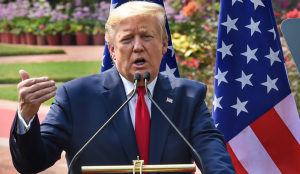
US President Donald Trump on Wednesday cautioned that the memorandum of understanding (MOU) reached with Iran remains a preliminary arrangement and not a final agreement, warning that Washington could resume military strikes if negotiations break down.
Speaking alongside Egyptian President Abdel Fattah el-Sisi on the sidelines of the G7 summit in France, Trump stressed that the understanding reached with Iran remains subject to further review and a formal signing expected in Switzerland later this week.
“It’s a memorandum of understanding. It’s not final,” Trump said. “If I don’t like it, if they don’t behave, we’ll go right back to military action.”
The US President argued that the framework agreement was primarily designed to ensure that Iran never acquires nuclear weapons. While declining to reveal specific provisions, he described the arrangement as a “very strong deal” that has received a positive response from many quarters.
Trump also expressed confidence that the Strait of Hormuz, one of the world’s most important energy shipping routes, would soon return to normal operations. According to him, the strategic waterway is already partially open and could be fully operational within days.
“The alternative would be a worldwide depression,” Trump said, emphasizing the global economic consequences of prolonged disruption to maritime traffic in the region.
Addressing reports that a future agreement could include a $300 billion reconstruction and investment fund for Iran, Trump rejected claims that the United States would contribute financially.
“We are not investing. We are not putting up ten cents,” he said, adding that private investors or other countries could make their own decisions regarding investments in Iran. He also denied urging Gulf nations to finance such a fund, saying any future support would likely depend on Iran’s conduct during upcoming negotiations.
Although the full text of the MOU has not been officially released, reports based on leaked drafts suggest the agreement could allow Iran to resume unrestricted oil exports immediately and take steps toward restoring shipping through the Strait of Hormuz.
According to the reported terms, Washington may grant waivers permitting Iranian oil sales while broader sanctions relief would be discussed during a 60-day negotiation period aimed at reaching a comprehensive agreement on Tehran’s nuclear programme.
The reported provisions have sparked debate because they appear to offer Iran significant economic benefits before a final nuclear settlement is reached. Critics are expected to compare the framework with the 2015 nuclear accord, from which Trump withdrew during his first term in office.
The draft framework is also said to include efforts to end hostilities involving Iran-backed groups in the region, including fighting between Israel and Hezbollah in Lebanon. However, several contentious issues remain unresolved and are expected to be addressed during subsequent negotiations.
The proposed talks are intended to produce a long-term arrangement that the Trump administration says will permanently prevent Iran from developing nuclear weapons. Iran, meanwhile, continues to maintain that its nuclear programme is intended for peaceful purposes.
Trump indicated that he would provide additional details about the negotiations during a scheduled press conference later in the day.
The evolving agreement comes amid heightened geopolitical tensions in the Middle East and follows months of conflict that disrupted global energy markets and intensified international concerns over regional stability.