Zelenskyy offers Easter pause on energy strikes
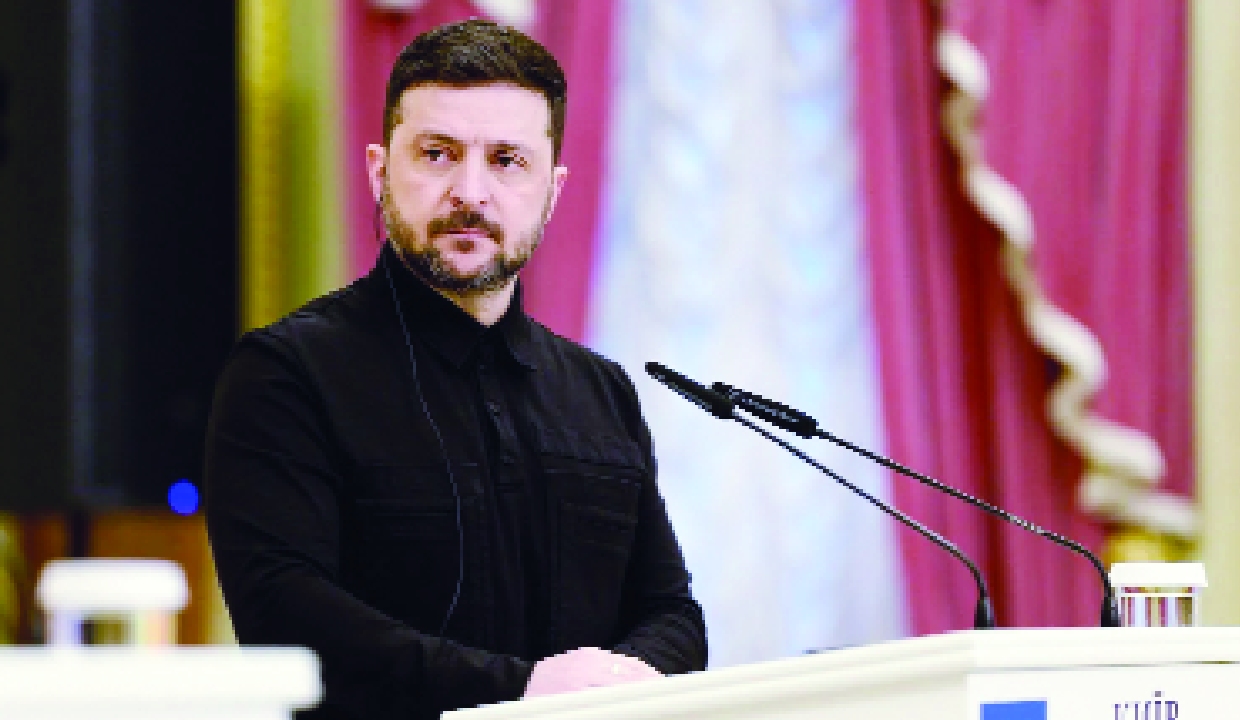
Ukraine is proposing to Russia a pause in attacks on each other’s energy infrastructure over the Orthodox Easter holiday, which will be observed this coming weekend, Ukrainian President Volodymyr Zelenskyy said.
The offer was made through the United States, which has been mediating talks between delegations from Moscow and Kyiv, Zelenskyy said, as Russia’s invasion stretches into a fifth year.
“If Russia is ready to stop strikes on our energy infrastructure, we will be ready to respond in kind,” the Ukrainian leader said in a public address late Monday.
“This proposal, conveyed through the Americans, has already been presented to the Russian side.”
There was no immediate comment from Moscow about the proposal. Previous attempts to secure ceasefires have had little or no impact.
Russian President Vladimir Putin unilaterally declared a 30-hour ceasefire last Easter, but each side accused the other of breaking it. Russia effectively rejected a 30-day unconditional truce proposed last year by the US and Ukraine as a step toward peace, insisting instead on a comprehensive settlement, but Moscow has announced several short, unilateral ceasefires.
Zelenskyy said he doubted the Kremlin would take up his offer for the April 12 holiday pause as Russia is currently benefiting from higher oil prices driven by the Iran war.
Zelenskyy is concerned that a prolonged US-Israeli war on Iran could erode America’s support for Ukraine. The US-led talks have made no progress on key issues, as Washington’s attention is held by the Middle East conflict, and the Russian and Ukrainian armies remain locked in battle on the roughly 1,250-kilometre front line.
At the same time, Russia has pounded Ukraine’s power grid in an effort to demoralise civilians while Kyiv’s domestically produced long-range drones have repeatedly hit Russian oil infrastructure in a bid to dent Moscow’s main export revenue. “Ukraine’s expanding long-range strike campaign against Russian oil infrastructure is exploiting overstretched Russian air defences and significantly damaging Russian oil export capabilities,” the Institute for the Study of War, a Washington-based think tank, said in an assessment late Monday.
“Russia’s geographical size poses an enormous challenge to defend, especially with traditional air defence systems on which the Russians reportedly still rely to protect against Ukraine drone salvos,” it added. Russia is also targeting public transport, including Ukraine’s vital rail network and bus services.
On Tuesday morning, a Russian drone struck a bus as it approached a stop, killing four civilians and injuring 15 others, in the southeastern Ukraine city of Nikopol, authorities said.
“This brutal attack on civilian regular transportation occurred during rush hour, when people were just going to work,” Interior Minister Ihor said. “This is not an accident, it’s their (Russian) tactic: deliberate strikes on civilians.” Also, Ukrainian authorities said three people were killed in an attack on a residential building in Kherson.