Yuva Shakti, Kartavya Aur Vikas: Union Budget 2026-2027 as a Roadmap for India’s Bharat’s Leap
The Union Budget for the financial year 2026-27 is not merely a statement of numbers but a powerful statement of intent. It reflects a Yuva Shakti driven vision that emphasises Prime Minister Narendra Modi’s sankalp to prioritise the poor, the underprivileged and the disadvantaged while simultaneously preparing India for the challenges and opportunities of the future. Prepared for the first time in Kartavya Bhawan, the budget draws moral strength from the idea of kartavya, which signifies duty towards the nation and responsibility towards every citizen.
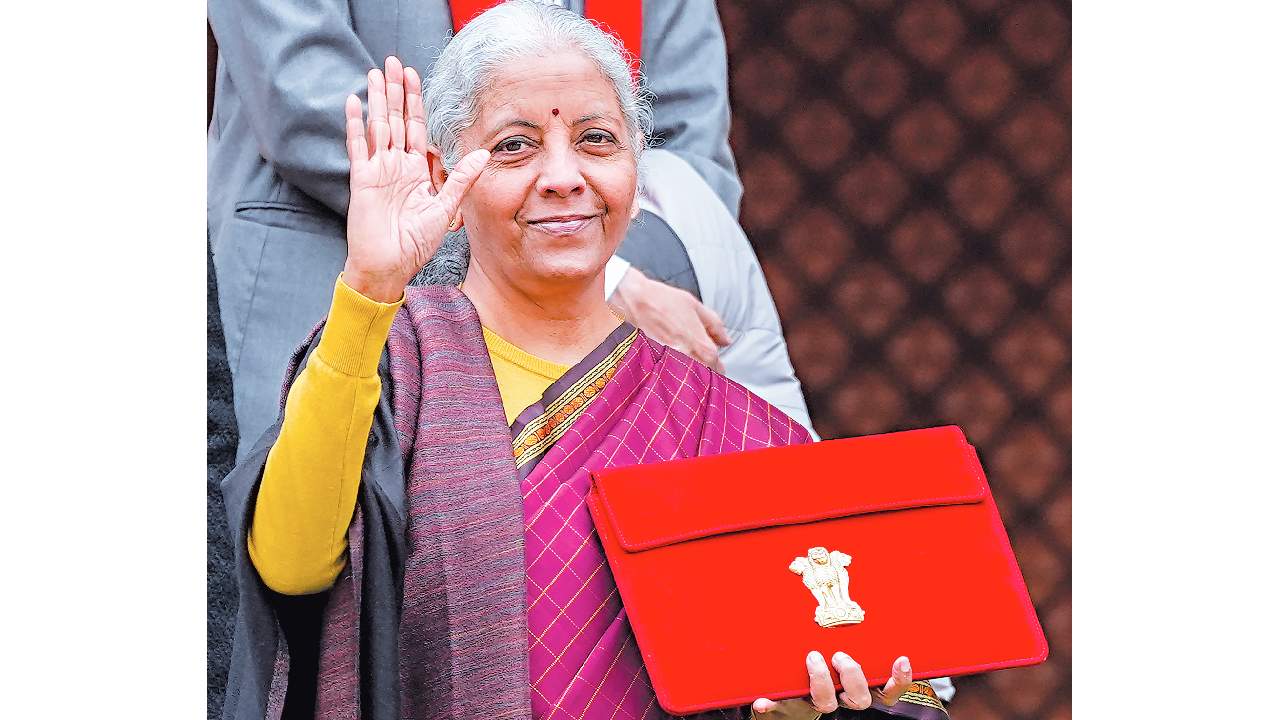
The budget was presented by Finance Minister Nirmala Sitharaman for the ninth consecutive time, demonstrating continuity, experience and steady leadership in navigating complex economic reforms. Her consistent stewardship of India’s economy through global uncertainty, pandemic recovery and structural transformation lends credibility and confidence to this forward-looking vision.
First Kartavya: Accelerating Growth, Productivity and Competitiveness
At the heart of the budget lie three defining kartavya that shape its philosophical and developmental direction. The first kartavya is to accelerate and sustain economic growth, with a focus on accelerating and sustaining economic growth by enhancing productivity and competitiveness. This includes scaling up manufacturing in strategic and frontier sectors, rejuvenating legacy industries, creating champion MSMEs and ensuring long term security and stability. The budget also aims to develop City Economic Regions and provide infrastructure support.
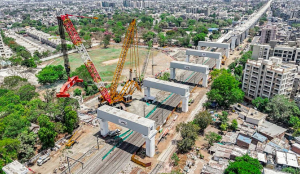
This commitment is strongly supported through enhanced public capital expenditure, which has increased from 11.2 lakh crore rupees in the Budget Estimates of 2025-26 to 12.2 lakh crore rupees in 2026-27. Such investment translates into better roads, rail connectivity, logistics parks, housing and urban infrastructure. These developments generate direct employment while also strengthening small businesses, traders and service providers through indirect economic momentum. Economists consistently highlight that infrastructure spending produces one of the highest multiplier effects in the economy, and this budget continues to energise that growth engine with clarity and confidence.
Second Kartavya: Aspirations, Youth Power and National Capacity
The second kartavya focuses on fulfilling the aspirations of the people and building national capacity. Here the youth centric character of the budget becomes most visible. Strong emphasis on education, skilling, creativity and sports reflects a clear understanding that India’s demographic strength must evolve into economic and social power.
Five university townships will be created in industrial and logistic corridors, strengthening knowledge ecosystems linked to growth centres. The proposal to establish AVGC content creator labs in 15000 secondary schools and 500 colleges through the Indian Institute of Creative Technologies in Mumbai is a visionary step that opens pathways to careers in animation, gaming, visual effects and digital content.
These are sectors witnessing rapid global expansion and offering meaningful employment opportunities for young Indians across towns and districts. The Khelo India Mission, designed to transform the sports sector over the next decade, carries similar transformative potential by ensuring that talent emerging from rural and semi urban India receives structured support, infrastructure and competitive exposure at national and international levels.
Addressing real social barriers in education, the decision to establish one girls hostel in every district for students pursuing higher education in STEM institutions holds deep societal significance. In many regions, talented young women discontinue education due to the absence of safe accommodation. This initiative directly promotes gender inclusion, improves enrolment in science and technology streams and strengthens India’s future workforce.
Third Kartavya: Universal Access, Inclusion and Resilience
The third kartavya of universal access aligns with the guiding vision of “Sabka Sath Sabka Vikas” and reflects inclusive development across sectors. The third Kartavya in the Union Budget 2026 focuses on ensuring universal access to resources and opportunities for meaningful participation. This initiative aims to strengthen inclusivity and resilience, benefiting farmers, youth, women and disadvantaged groups. The budget emphasizes the need for a strong support system to sustain structural reforms and ensure that every family, community and region has equitable access to resources and amenities.
Strategic National Initiatives Driving Transformation
The budget outlines several transformative national initiatives in line with these three kartavyas. An allocation of 7280 crore rupees has been made for developing Rare Earth Corridors across Kerala, Tamil Nadu, Andra Pradesh and Odishato establish a complete domestic ecosystem for Rare Earth Permanent Magnets essential for electric vehicles, wind energy, electronics, aerospace and defence. This initiative forms part of a broader strategy to reduce dependence on China, strengthen domestic supply chains and advance technological sovereignty. Complementary measures include a dedicated scheme for Rare Earth Permanent Magnets and customs duty exemption on capital goods for critical mineral processing.
A 20000-crore rupee programme for carbon capture utilisation and storage targeting steel and cement sectors represents a major step towards reducing industrial emissions and fulfilling India’s climate commitments.
Seven high speed rail corridors with a total investment of 16 lakh crore rupees will connect major economic regions including Mumbai-Pune, Pune-Hyderabad, Hyderabad- Bengaluru, Hyderabad-Chennai, Chennai-Bengaluru, Delhi-Varanasi and Varanasi-Siliguri. These growth connectors will dramatically reduce travel time, strengthen trade integration and create widespread benefits for business, tourism and daily mobility.
Logistics transformation continues with a 10000 crore rupees allocation for containers and waterways and a plan to operationalise 20 new national waterways within five years. Coastal cargo promotion, inland ship repair facilities in Varanasi and Patna, development of ship repair ecosystems and specialised training institutes together aim to reduce logistics costs, strengthen supply chains and improve freight movement across underdeveloped regions.
Agriculture, Fisheries and Rural Prosperity
Agriculture remains central to national development with an allocation of 1,62,671 crore rupees for 2026-27, marking a 7 percent rise from the revised estimate of 1,51,853 crore rupees in 2025-26 and a substantial increase from about 21,933.50 crore rupees in 2013-14. Focus on high value crops such as coconut, sandalwood, cocoa and nuts seeks to enhance farm profitability. A new coconut promotion initiative will improve productivity by replacing nonproductive trees with superior varieties, benefiting nearly 30 million people including around 10 million farmers dependent on coconut cultivation.
In fisheries, integrated development of 500 reservoirs and water bodies will strengthen the fisheries value chain, improve market linkages and support startups, women led groups and fish farmer producer organisations, especially in coastal regions.
In animal husbandry, a credit linked subsidy programme will promote entrepreneurship, modernise livestock enterprises and expand integrated value chains across dairy, poultry and livestock sectors, while encouraging livestock farmer producer organisations to generate quality rural employment.
Technology driven agriculture receives further impetus through Bharat Vistaar, the multilingual AI platform integrating Agristack and ICAR knowledge systems to deliver customised advisory support, reduce risk and enhance productivity for millions of farmers.
Industrial Expansion, Manufacturing Strength and Employment
Industrial growth is reinforced by increasing the Electronics Component Manufacturing Scheme outlay from 22,919 crore rupees to 40,000 crore rupees. Over the past eleven years, India’s electronics manufacturing has expanded nearly sixfold, created about 25 lakh jobs and emerged as a major driver of employment and economic progress.
Manufacturing, clean energy and strategic sectors receive strong encouragement through customs and tariff reforms. Exemption from basic customs duty on capital goods used in lithium-ion battery manufacturing and critical mineral processing strengthens India’s journey towards energy transition and technological self-reliance.
Removal of basic customs duty on 17 drugs or medicines and the launch of Biopharma Shakti with an outlay of 10000 crore rupees aim to expand domestic production of biologics and biosimilars, ensuring affordable healthcare while positioning India as a global pharmaceutical leader.
Small and medium enterprises gain momentum through the proposed 10,000 crore rupee SME Growth Fund. Since MSMEs are among the largest job creators at the local level, this fund will enable promising enterprises to scale, innovate and compete globally, transforming local entrepreneurship into national strength.
Trade, Tourism, Tax Reform and Ease of Doing Business
Trade facilitation and logistics reforms further reinforce India’s economic ecosystem. Reduction of tariff rates on dutiable personal imports from 20 percent to 10 percent provides consumer relief. Transformation of the customs warehousing framework into an operator centric system supported by self-declarations, electronic tracking and risk-based audit modernises trade governance. Processing cargo clearance through a single interconnected digital window by the end of the financial year will reduce delays, lower logistics costs and improve India’s standing in global trade indices.
Tourism and services also receive meaningful policy support. Reduction in overseas tour program package rates to 2 percent and the initiative to train 10000 tourist guides across 20 major tourist sites through a standardised 12-week hybrid programme in collaboration with an Indian Institute of Management will enhance service quality, generate employment and strengthen India’s global tourism appeal.
The budget also advances decisive reforms in taxation and ease of doing business that benefit entrepreneurs and professionals nationwide. The New Income Tax Act 2025, effective from April 2026, seeks to simplify rules and forms, thereby reducing confusion and compliance burden.
Rationalisation of penalty and prosecution provisions reflects a trust-based governance approach. Exemption from minimum alternate tax for non-residents paying tax on a presumptive basis enhances India’s attractiveness for global investment. Creation of a single category of information technology services with a common safe harbour margin of 15.5 percent, along with the increase of the safe harbour threshold from 300 crore rupees to 2000 crore rupees, provides clarity and stability to a sector that employs millions of young Indians.
Looking ahead, the tax holiday granted until 2047 to foreign cloud service providers signals India’s ambition to emerge as a global hub for data, cloud services and digital infrastructure. The formation of a joint committee to modify IndAS and remove separate accounting requirements based on ICDS from tax year 2027 28 further reduces compliance complexity and promotes business confidence.
Growth with Inclusion and Confidence in India’s Future
The underlying message of the Union Budget 2026 27 is unmistakable. It advances growth with inclusion, opportunity with stability and future readiness with equitable access. As global economic competition intensifies, this budget positions India’s youth, industries and communities to thrive with confidence, ensuring that national resurgence is both inclusive and sustainable.
The writer is National Coordinator for Digital Library, Library and Documentation, BJP
Aseervatham.Achary
@AseerAchary
Dr Aseervatham Achary