Women, care work and economic growth: The transformative potential of the OSH Code, 2020
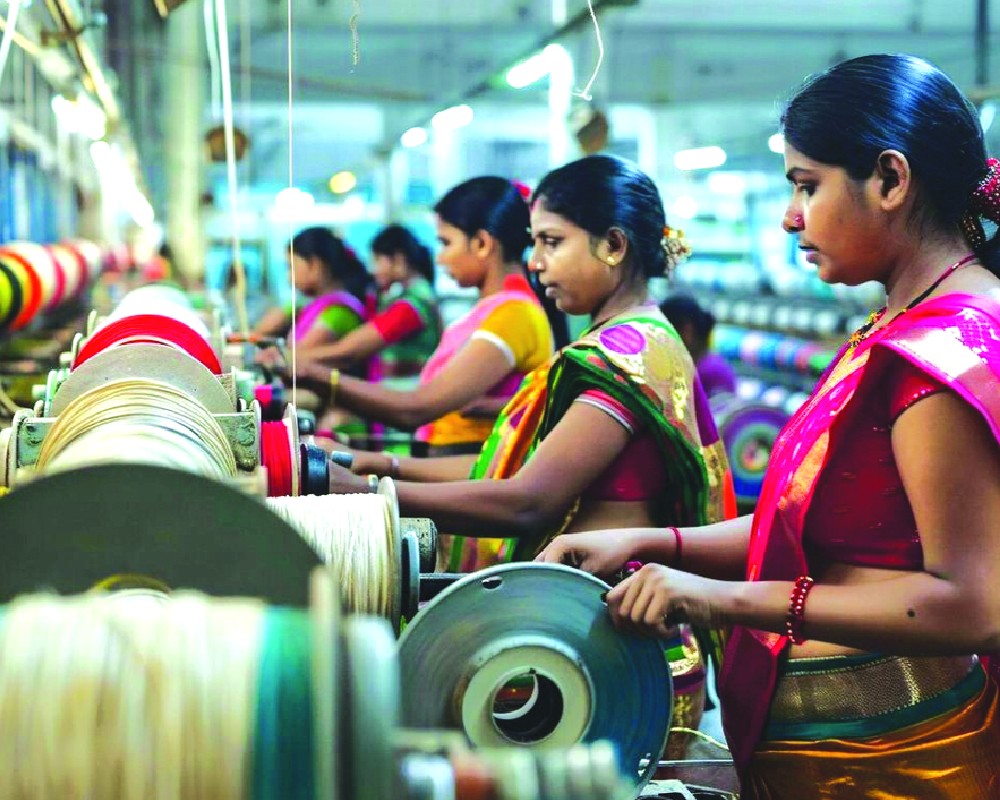
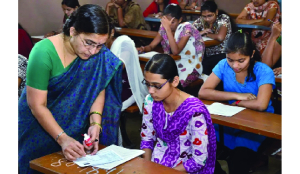
The trajectory of India’s long-term economic growth is inextricably linked to the full inclusion of women in the labour market. With policymakers and global institutions increasingly recognising the transformative potential of women’s economic participation, the country is witnessing encouraging momentum.
Although, India’s female labour force participation rate (LFPR) was 32.8 per cent in 2024, which is lower than the global LFPR of 48.9 per cent and East Asia’s 59.2 per cent, as reported by the International Labour Organisation (ILO), the recent trend of women employment is on the rise, extending its reach to both rural and urban areas.
The participation of women in the labour force in India has long been hindered by various socio-economic and cultural barriers, particularly domestic care responsibilities. However, recent government initiatives are signalling a positive shift in this regard.
The Occupational Safety, Health and Working Conditions (OSH) Code, 2020, represents a milestone in India’s journey toward inclusive growth. It offers a crucial opportunity to address
deep-rooted inequities by safeguarding working conditions for millions of women exposed to unsafe workplaces and limited legal protections. By instituting standardised measures for health, welfare, and safety, the OSH Code serves as both a regulatory framework and a catalyst for gender-equitable expansion.
Global experiences demonstrate that occupational safety and gender-sensitive reforms enhance workforce participation. Vietnam’s 2019 Labour Code, which expanded maternity protection and workplace safety, improved female retention and export competitiveness. Similarly, Malaysia’s 2022 employment amendments helped balance family responsibilities with formal work in key industries.
For India, these examples offer valuable lessons. Initiatives like Make in India and Viksit Bharat 2047 require a productive, inclusive workforce. The OSH Code’s provisions for safety committees, rest facilities, and crèches can mitigate barriers to employment, while its universal applicability extends crucial protection to women in precarious and informal sectors.
The State of women’s labour force participation in India
According to the latest report of Periodic Labour Force Survey (PLFS) 2023-24, conducted by the Ministry of Statistics and Programme Implementation, women’s labour force participation has risen to 41.7 per cent in 2023-24- a substantial increase from the 23.3 per cent recorded in 2017-18. While significant progress has been made, challenges remain-most notably unpaid domestic services and unpaid caregiving services for household members.
This paradox exists despite significant educational advancements, including rising female enrolment in tertiary education and declining literacy gaps. This trend, often termed the “feminisation U-curve,” suggests that participation dips during economic transitions before rebounding. However, India risks being an exception; persistently low participation could undermine its transition to a middle-income economy and constrain its demographic dividend.
The role of unpaid care work
A primary barrier to economic participation is the disproportionate burden of unpaid care work. The National Statistical Office’s (NSO) Time Use Survey (2024) reveals that Indian women spend two hours 17 minutes daily on unpaid caregiving, compared to one hour 15 minutes for men.
Globally, women perform 76 per cent of unpaid care work, but the burden is heavier in India due to inadequate childcare infrastructure and cultural expectations. Valued at 15-17 per cent of India’s GDP, this unpaid labour remains invisible in formal statistics.
This inequity forces many women to decline job opportunities or accept lower-paying, informal roles closer to home. Furthermore, career interruptions for maternity and caregiving reduce lifetime earnings, creating a persistent “care penalty” that limits long-term economic empowerment.
The transformative potential of the OSH labour code
The OSH Code, 2020, consolidates 13 labour laws, standardising safety provisions for all establishments with 10 or more workers. It directly addresses barriers at the intersection of employment and care work. Aligning with the Maternity Benefit (Amendment) Act, 2017, the Code emphasizes maternity entitlements and ensures nursing breaks to facilitate workforce retention.
Crucially, the Code promotes equity in the informal sector by bringing contract and informal workers under a uniform safety umbrella, benefiting women in construction, agriculture, and domestic work. By mandating non-discrimination in recruitment and working conditions, it makes workplaces safer and more responsive to gendered challenges that have historically excluded women.
Global comparisons and lessons
Evidence from other regions confirms that gender-sensitive OSH frameworks are powerful levers for change. Sweden and Iceland achieve female workforce participation rates above 70 per cent through social protection frameworks integrating workplace safety, subsidised childcare, and parental leave.
Japan and South Korea are slowly improving female LFPR by expanding workplace protections and crèche facilities. In Sub-Saharan Africa, legal safeguards in agriculture have propelled female participation to 70 per cent.
Latin American examples, like Chile and Uruguay, show that state-funded childcare enhances female employment without sacrificing child development. For India, these lessons reinforce that OSH protections combined with care infrastructure investments will yield transformative outcomes.
Economic rationale for women’s inclusion
Prioritising women’s participation is a macroeconomic necessity. The McKinsey Global Institute estimates that bridging gender gaps could add $12 trillion to global GDP by 2025, with India standing to gain approximately $770 billion-an 18 per cent increase from baseline projections. The IMF notes that narrowing participation gaps can boost GDP by up to 35 per cent.
Women’s employment also strengthens intergenerational human capital through higher investments in children’s health and education. Failing to integrate women effectively results in significant opportunity costs, undermining India’s potential demographic dividend.
OSH code as a bridge to inclusivity
The OSH Code situates women’s inclusion as an economic imperative rather than just a welfare measure. By addressing structural risks and eliminating discrimination, the Code reduces attrition by ensuring safe, flexible workplaces.
Extending protections to the informal sector incentivises the transition to formal employment. A diverse, secure workforce strengthens productivity and macroeconomic resilience, aligning with SDG 5 (Gender Equality) and SDG 8 (Decent Work and Economic Growth).
Way forward
The OSH Code, 2020, is a strategic lever for long-term, gender-inclusive growth. To realise its potential, it must operate within an ecosystem that addresses both workplace conditions and the care burden.
Strengthening childcare infrastructure is a key pillar; expanding initiatives like the Integrated Child Development Services (ICDS) and the National Crèche Scheme can ensure women are not forced to choose between caregiving and employment.
While the Code protects formal workers, women in the unorganised sector need expanded access to benefits like the Employees’ State Insurance Corporation (ESIC). Grassroots awareness campaigns are essential to inform women of their entitlements. Employers must also be engaged as stakeholders to adopt gender-sensitive practices, including flexible scheduling and ergonomic design.
Global experience confirms that robust OSH frameworks, integrated with care infrastructure, significantly enhance economic participation and GDP. For India, navigating demographic and structural transitions, this integration is urgent. Swift implementation of the OSH Code, supported by inclusive policies, will unlock the female workforce’s potential, driving the vision of Atmanirbhar Bharat and ensuring a competitive, resilient economy.
Author is a Head of Group HR, Arvind Limited, Gujarat; views are personal