WHO warns of health risks of black rain following strikes on Iran’s oil facilities
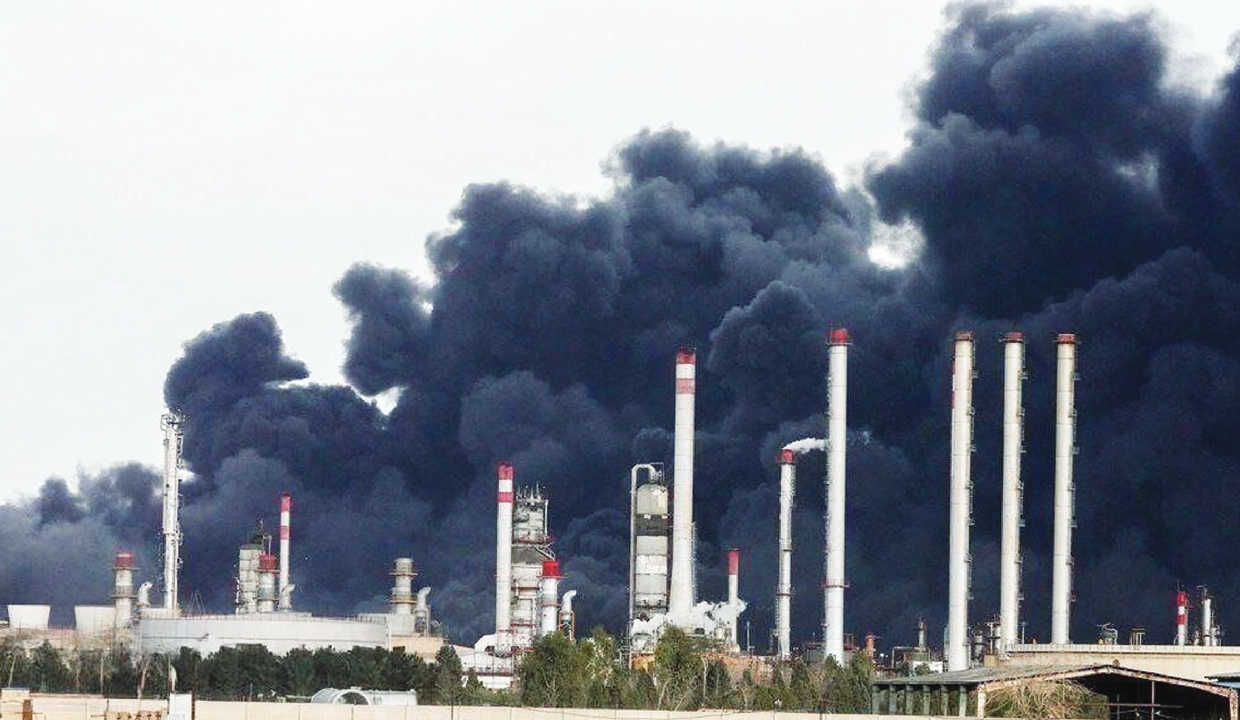
The World Health Organization (WHO) on Tuesday warned that unusual “black rain” and toxic air pollution reported in parts of Iran could pose serious respiratory risks to the public following recent strikes on oil facilities.
According to the United Nations health agency, fires at damaged refineries and storage sites have released large amounts of hazardous chemicals into the atmosphere. In response, Iranian authorities have advised residents in affected areas to remain indoors as a precaution. Speaking at a press briefing in Geneva, WHO spokesperson Christian Lindmeier said the agency had received several reports of oil-contaminated rainfall in recent days.
“The black rain and the acidic rain coming with it is indeed a danger for the population, mainly affecting the respiratory system,” Lindmeier said.
Thick black smoke was seen over Tehran on Monday after a refinery was struck, part of escalating attacks on the country’s domestic energy infrastructure linked to a broader campaign involving the United States and Israel, according to regional reports.
WHO officials said the strikes triggered fires that released significant quantities of toxic substances into the air. These include hydrocarbons, sulfur oxides, and nitrogen compounds—chemicals known to degrade air quality and harm human health.
Health experts warn that exposure to smoke or contaminated particles may cause headaches, skin irritation, eye discomfort, and breathing difficulties. Prolonged exposure to some of the pollutants can also increase the risk of certain cancers. Lindmeier said the WHO supports the recommendation for people in affected areas to stay indoors. “Given the damage to oil storage facilities and refineries and the resulting air-quality concerns, staying inside is definitely a sensible precaution,” he said.
Scientists say the unusual rainfall likely occurred when precipitation mixed with soot and other airborne particles produced by the refinery fires.
Akshay Deoras, a research scientist at the University of Reading, explained that a weather system moving through the region caused rain to combine with polluted air. “The rain was an eye-opener for many people,” Deoras said, noting that it made the pollution visible as dark-colored droplets and residue. However, he stressed that the greater health concern may come from continued exposure to polluted air rather than a single rainfall event.
People can reduce risks by staying indoors when possible, wearing protective masks outdoors, and covering exposed skin, he said.
Comprehensive air-quality data from affected areas remains limited, making it difficult for scientists to assess the full scale of the pollution. Weather forecasts suggest the region may experience mostly dry conditions later this week, which could gradually help disperse pollutants.
Experts expect air quality to improve over time as emissions decline and atmospheric conditions change.
For now, health authorities continue to monitor the situation while urging residents in impacted regions to take protective measures until conditions stabilise.