West Bengal Govt imposes fine on public spitting, littering
When in the City of Joy, spit, pee or poo on thoroughfares at your own peril. This is because the Bengal Government started cleanliness rules from Tuesday, with civic authorities in Kolkata and other municipal areas cracking down on violators for spitting, soiling, urinating in public or even disposing of plastic in undesignated places.
Civic inspectors were doing the rounds and were parked at public places, corners, markets, transport hubs and elsewhere to spot offenders and impose instant fines that would not be accepted other than through digital means. “No cash is accepted… only you have to pay digitally,” said an official of the Kolkata Municipal Corporation, which was presently run by an Administrator.
“You cannot do whatever you like on the streets and public places… there has to be some kind of civic discipline that should be followed by the members of the society… if offenders do not see reasons in following civic rules then they will have to be given a lesson or two on cleanliness through imposing penalty… there is a price you have to pay for everything,” Bengal Municipal Affairs Minister Agnimitra Paul earlier said.
“From 1st September, let’s say NO to single-use plastic. Say no to plastic bags, cups, straws and disposable cutlery. Together, let’s protect our environment and build a cleaner, greener Bengal for the next generation,” Paul posted while her party colleague and senior BJP leader and former MP Locket Chattejree said, “cleanliness is not the responsibility of the Government alone… the people should also learn to cooperate.”
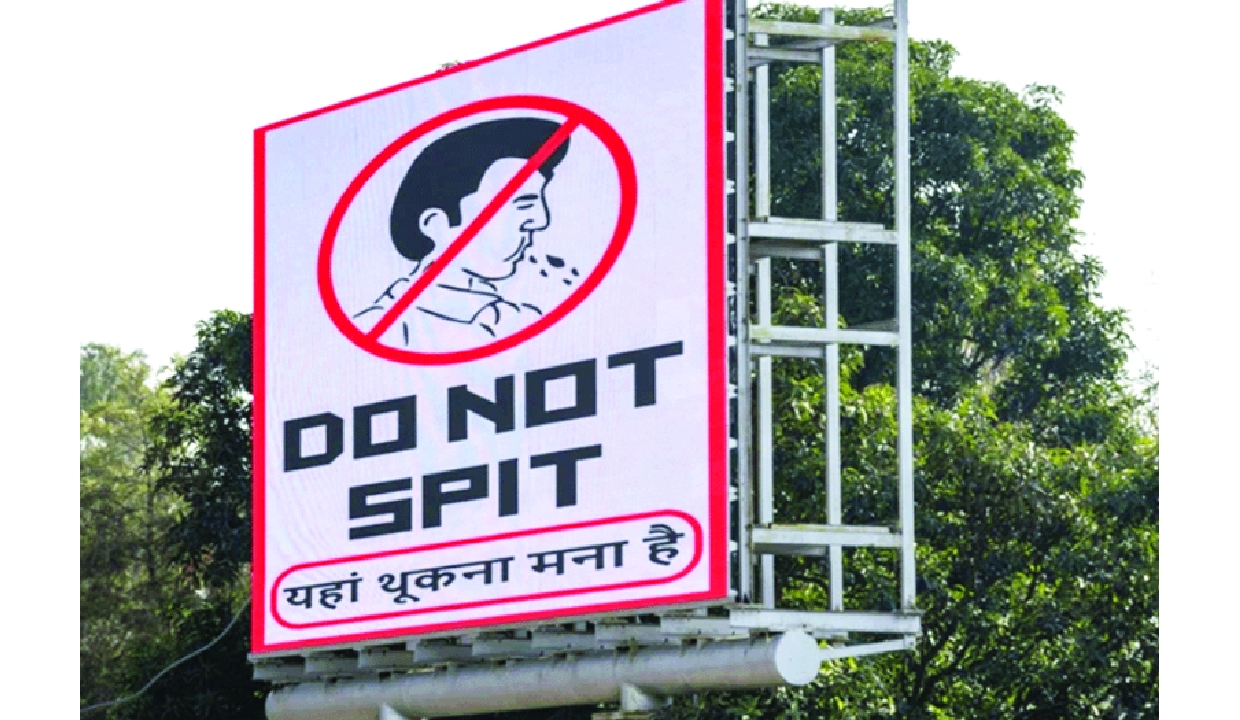
To begin with, the Government had fixed Rs 100 as a fine for those who spit in public places, including schools, markets, hospitals, etc while one will have to pay Rs 200 for urinating or defecating in the open other than designated public toilets. For using banned plastic too, one will have to pay Rs 200 digitally.
Littering, depositing, dumping or throwing any solid waste, plastic waste, garbage, debris or other waste material in public streets, roads, drains, water bodies, open spaces or any place other than designated waste collection points, and the use or carrying of banned plastic carry bags in violation of applicable laws and Government orders too will attract a penalty.
The new rules also target illegal parking and encroachment, while charges will be introduced for night-time roadside parking in urban areas.
This apart, the mandatory use of Bengali as the language for official communication and orders also started from Tuesday.
Chief Minister Suvendu Adhikari had already issued the Bengali-must directive in July, setting September 1 as the day of commencing the mandatory language formula. From Tuesday, all internal office notes, letters, official orders, circulars, and notifications inside the state government were to be sent and exchanged in Bengali. The only exception would be the Gorkha-majority Darjeeling hills. Besides, communications with the Centre would have to be done in Hindi alongside Bengali.
The decisions were taken after Union Home Minister Amit Shah reportedly asked the Chief Minister to use and promote the Indian languages in place of English.