West Bengal Govt drops eggs from school meals; sparks row
The battle over West Bengal’s political future may have ended, but one of the Assembly poll campaign’s most emotive themes has resurfaced in school kitchens.
The BJP Government’s decision to engage ISKCON to provide cooked mid-day meals in schools under the Kolkata Municipal Corporation area and replace eggs with vegetarian alternatives has reopened a wider debate over nutrition, culture and identity.
The move revived memories of the poll-season clash when fish became a political symbol, and the TMC accused the BJP of seeking to impose a vegetarian cultural template on West Bengal.
Presenting the State’s first Budget after the BJP’s victory in the Assembly polls, Finance Minister Swapan Dasgupta announced that the material cost for primary school mid-day meals would be increased from `6.78 to `10 per student and that ISKCON would be entrusted with supplying cooked meals under a pilot project in the KMC area.
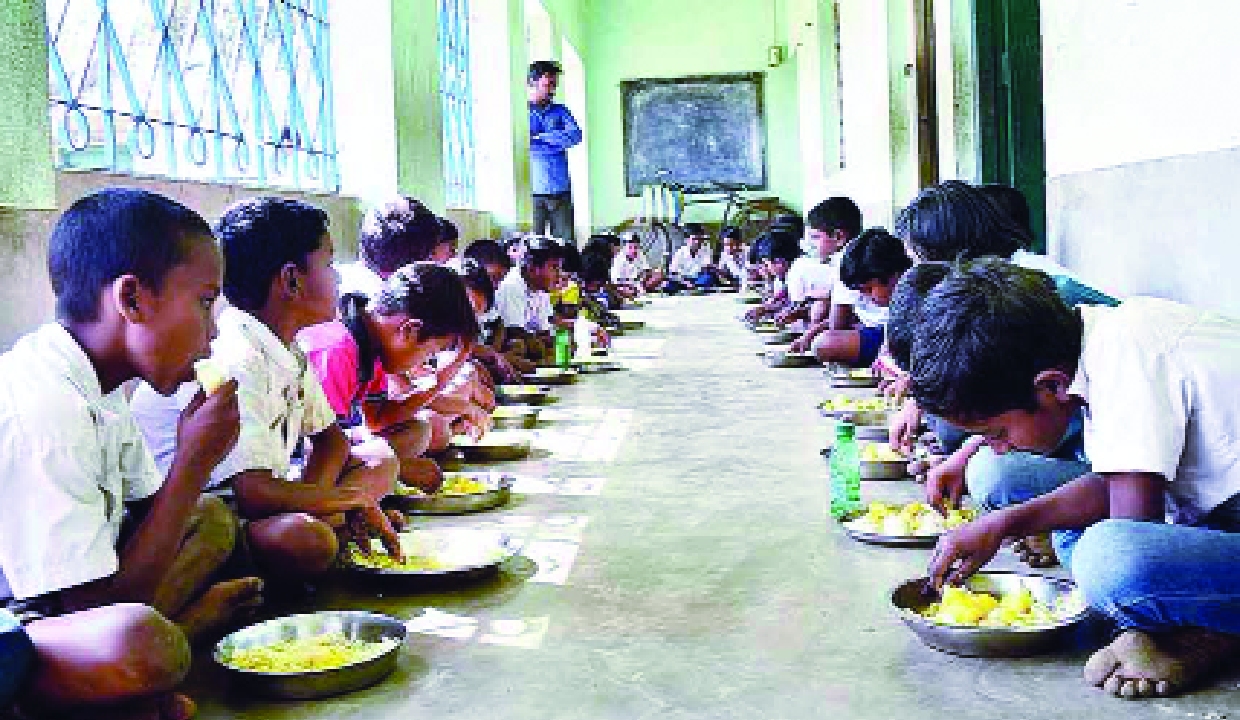
The enhanced allocation was welcomed across the political spectrum. But the spotlight shifted to one change: eggs, considered the most popular item in Bengal’s school meal programme, would disappear from the plate. Students would be served protein-rich vegetarian alternatives such as paneer, rajma, soya products, pulses and milk-based items. The move has immediately acquired political overtones in a State where food habits frequently intersect with electoral narratives.
During the Assembly election campaign, the then ruling TMC repeatedly accused the BJP of seeking to reshape Bengal’s food culture and portrayed fish consumption as an integral part of Bengali identity. BJP leaders countered those charges by publicly eating fish and dismissing the allegations that they intended to alter local dietary practices. The latest decision has allowed the Opposition to revive that argument.
Leader of the Opposition and rebel TMC leader Ritabrata Banerjee alleged that the move reflected an attempt to influence long-established dietary habits.
“For generations, Bengali children have grown up consuming animal protein as part of their regular diet. Nutrition schemes should reflect local food culture and not move away from it,” he said. TMC Rajya Sabha MP Derek O’Brien linked the decision to a broader ideological agenda, accusing the BJP Government of “imposing vegetarianism” through a welfare programme.
The BJP Government rejects such criticism. Chief Minister Suvendu Adhikari defended the decision in the Assembly, saying the objective was to ensure quality and hygienic food for children.
“Nobody is imposing anyone’s religious beliefs on anyone else. The focus is on providing good food to students,” he said. School Education Minister Dipak Burman argued that vegetarian diets are fully capable of meeting nutritional requirements. “Millions of people across the world live healthy lives on vegetarian food. Nutrition should be judged by scientific standards, not by whether a meal contains eggs,” he said.
Yet some of the strongest reactions have come from classrooms. Teachers across districts say attendance often improves on egg-serving days, particularly among children from economically weaker families. A Kolkata school headmaster said children often looked forward to the weekly egg meal more than any other menu item.