Vandalism, arson during Gen Z protests planned conspiracy: Ex-Nepal HM
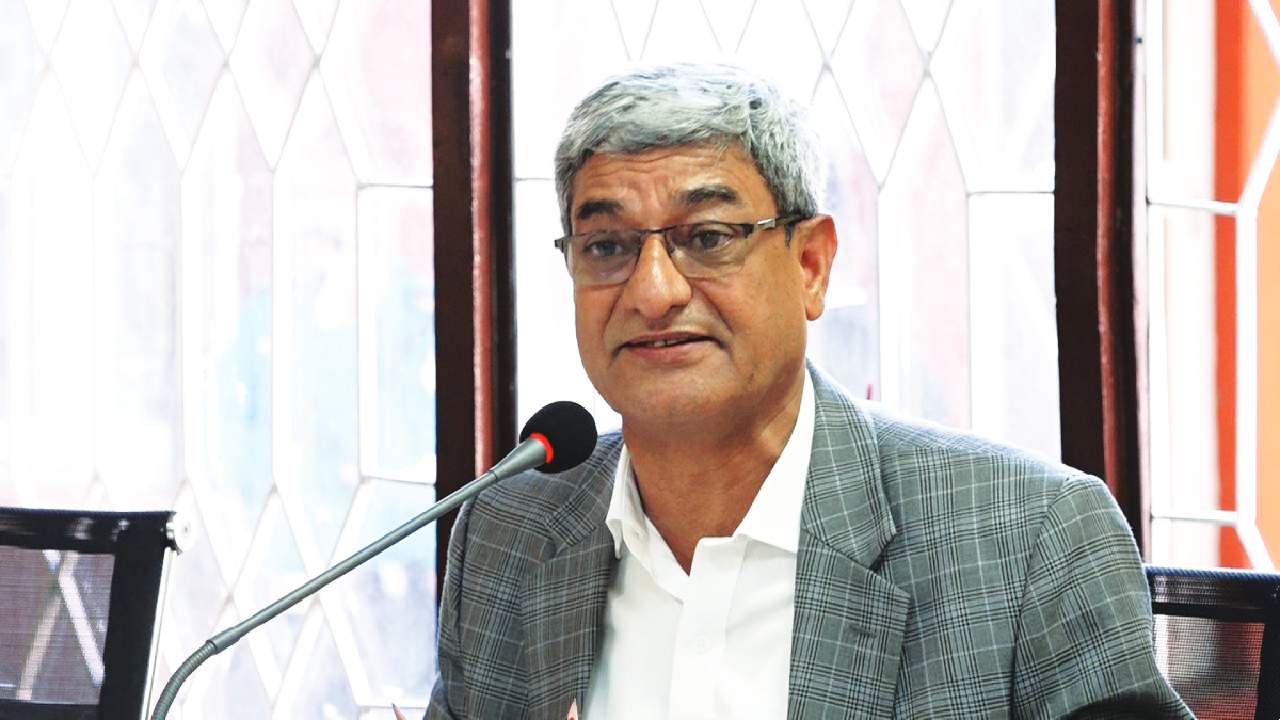
Nepal’s former home minister Ramesh Lekhak on Monday claimed that the vandalism and arson on the second day of the Gen Z protests was the result of “a planned conspiracy against democracy and the nation.” On September 8 and 9, the youth-led Gen Z protest against corruption, nepotism, and a social media ban escalated into violence, leading to the ouster of Prime Minister KP Sharma Oli’s coalition Government.
A total of 77 people, including 22 youths, were killed during the Gen Z movement. Lekhak, who appeared on Monday before a high-level probe commission investigating the Gen Z protests, said that he accepted full moral responsibility for the deaths and other losses of September 8.
However, he claimed that the vandalism and arson on September 9 across the country were not a spontaneous escalation but the result of “a planned conspiracy against democracy and the nation.” The Nepali Congress leader said he had stepped down immediately after the September 8 tragedy because, as the political head of the Home Ministry, he felt a deep personal and institutional responsibility.
However, Lekhak drew a sharp distinction between the peaceful Gen Z protest of September 8—which, according to him, was later infiltrated and hijacked—and resulted in extensive arson and attacks the next day. “The violent incidents of September 9 were against national integrity, dignity and democracy. No patriotic Nepali could even imagine torching Singha Durbar secretariat, the Supreme Court, Parliament, and the President’s Office,” he said.
It was “a planned conspiracy” and “a deliberate attack on the nation and democracy” he added. The inquiry commission, led by former judge Gauri Bahadur Karki, summoned Lekhak, who was the home minister during the Gen Z-led protests. In his explanation, Lekhek claimed that as the then-home minister, he had convened a meeting of the Central Security Committee on September 7, where all security agencies agreed to maintain law and order by avoiding excessive use of force and casualties.
“The Gen Z protesters’ demands, including anti-corruption, good governance and lifting the ban on social media sites, were legitimate and widely accepted,” he said. Lekhak said the September 9 destruction—including the burning of key state offices, private property, party buildings, police units and business establishments across the country—could not have resulted from “momentary anger.” Such synchronised attacks, he said, suggested preparation, planning and intent. “These were not spontaneous acts. These were organised assaults on the nation’s institutions.”
Lekhak also advised the commission to closely investigate who infiltrated the protest, who planned the September 9 attacks, and who executed them. He added that while youth demands must be acknowledged, criminal acts must be treated separately and prosecuted. The former home minister also questioned the legal and moral rationale behind limiting his movement. Oli and Lekhak have been barred from leaving the Kathmandu Valley, as they might be required to appear before the commission.
According to Bigyan Raj Sharma, spokesperson for the probe commission, Lekhak spent more than two hours in the office of the commission to submit his written statement. He was asked to appear on Wednesday again to continue the explanation regarding the incident, Sharma added. According to Sharma, the commission is preparing to send a letter to summon Oli to record his explanation regarding the incident.
Nepal crackdown against cross-border bride matchmaking by Chinese brokers
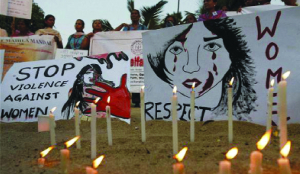
Beijing: Nepalese authorities have intensified a crackdown against illegal cross-border matchmaking following revelations that brokers and online intermediaries marketed Nepali women as potential brides for Chinese nationals, a Chinese media report said. The crackdown against “bride buying” intensified after Nepal’s immigration officials last month found several young Nepali women living in rented apartments with Chinese nationals in the capital, Kathmandu.
The Chinese men admitted to filming the women and sending the videos to friends in China and sharing them on social media, though they did not explicitly state the purpose of the recordings, the Hong Kong-based South China Morning Post reported. Authorities deported four Chinese nationals for visa violations, saying there was insufficient evidence to file criminal charges over allegations that the women were being coerced into marriages in China.
The Chinese Embassy in Nepal also issued a New Year’s travel advisory cautioning its citizens against what it described as “bride buying” in the country, urging them not to trust matchmaking agencies and brokers blindly and stressing that deceptive or profit-driven cross-border matchmaking is illegal under Chinese law. “Fully understand the legal, cultural, property division and child custody risks involved in cross-border marriages,” the notice said.
“Do not easily believe in cross-border matchmaking stay away from illegal marriage brokers.” The warning, posted on Friday, follows a series of recent cases in Nepal that have drawn attention to suspected illegal matchmaking activity involving Chinese nationals, as well as a broader shift by online brokers towards South Asia, the report said.
Some matchmaking agencies were charging between 5,000 yuan (USD 713) and 188,000 yuan (USD 26,830), marketing the process as “simple and easy”, the report quoted Chinese media. “In recent years, several Chinese citizens who came to Nepal to find wives through illegal matchmaking agencies have been arrested on suspicion of human trafficking, child marriage, rape and other crimes,” the Chinese embassy said in its statement.
China’s demand for overseas brides is often linked by researchers to its skewed sex ratio, which official figures put at about 104 men for every 100 women. The imbalance, shaped over decades by birth control policies and a cultural preference for sons, has left millions of men struggling to find partners. Some turn to paid matchmaking services that claim to help facilitate marriages abroad.
Activists and authorities say such services often exploit young women in poorer countries, promoting marriage as a pathway out of poverty while obscuring legal, financial and personal risks. Women and girls from Laos, Myanmar and Vietnam have previously been trafficked and sold as wives in China, the report said.