Union Govt appoints 5 new digital forensic examiners
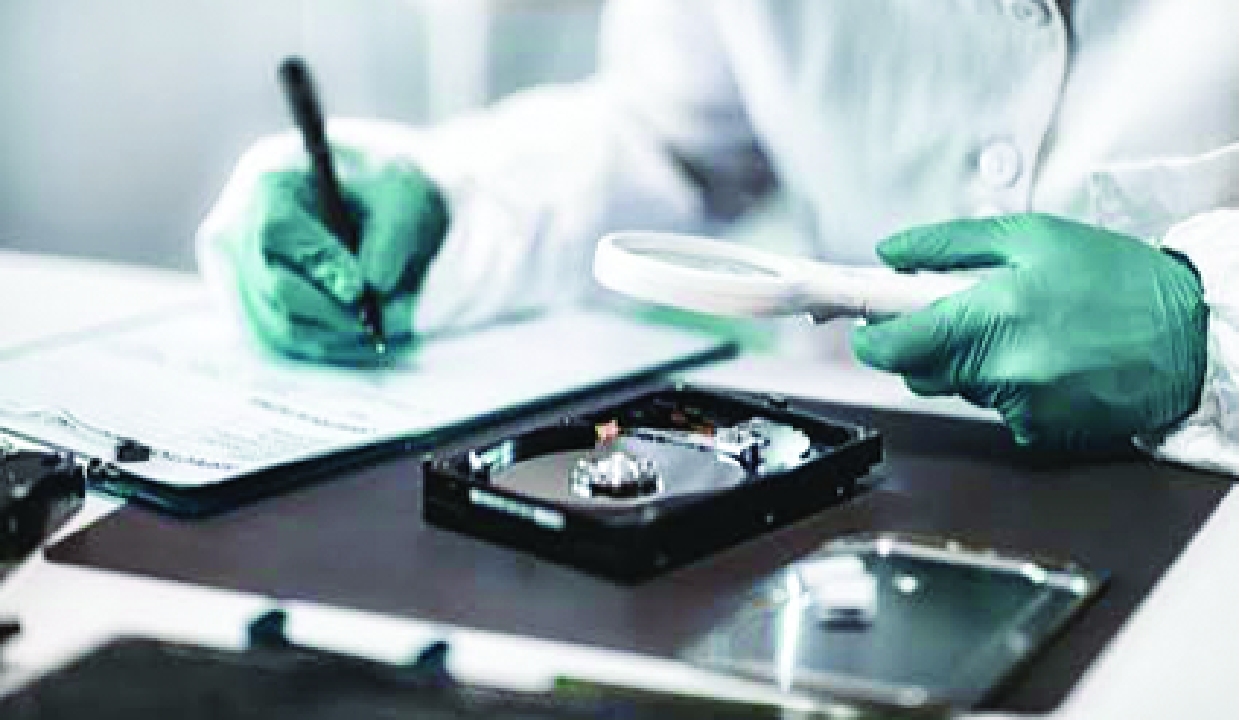
India’s digital forensic system has received a major boost, with the Centre appointing five new Examiners of Electronic Evidence under Section 79A of the Information Technology Act, 2000. Announced on Tuesday, this step will help the country handle the increasing volume of electronic evidence from cybercrimes, cross-border offences, and other digital violations.
Officials said these agencies can now give expert opinions on electronic evidence in court. This should make digital evidence more reliable and accepted in legal cases. One of the new designees is the Special Instruments Wing (SIW) of the Border Security Force (BSF), which will focus on Drone Forensics, an area that is becoming more important.
Security agencies are dealing with the misuse of drones for smuggling, illegal surveillance, and other crimes. The SIW’s advanced-technology capabilities help it recover and analyse drone data, strengthening India’s response to new aerial threats. The other four agencies will focus on digital forensics, with DFSL Mumbai, NFSU Goa, and CFSL Kolkata handling Computer (Media) Forensics and Mobile Device Forensics.
These three laboratories will handle Computer (Media) Forensics and Mobile Device Forensics. Their mandate includes these three labs, which will work on Computer (Media) Forensics and Mobile Device Forensics. They will examine data from computers, hard drives, removable media, smartphones, and other devices. The Cyber Forensic Division in Jaipur will focus on Computer (Media) Forensics for the national network, but not on floppy disks or mobile devices.
This expansion, according to experts, supports the Central Government’s goal of creating a larger, more accessible network of digital forensic labs. Investigators increasingly rely on electronic records from devices such as phones, computers, external drives, CCTV, cloud services, and drones. Quickly and accurately analysing this evidence is crucial for building strong prosecution cases. The benefits of this approach are clear. Many modern crimes, such as cyber fraud, financial scams, terrorism, and organised crime, depend on digital evidence. Fast, reliable forensic reports can decide the outcome of a case. By reducing delays and training a skilled workforce, the scheme speeds up everything from evidence collection to presentation in court, making it easier to handle these cases.
This push gains added urgency with the implementation of the new criminal laws. They emphasise scientific investigation and aim to deliver justice, from the registration of an FIR to the final decision by the Supreme Court, within three years.
Union Home Minister Amit Shah often stresses the importance of scientific evidence in ensuring justice is both quick and fair, as well as in raising conviction rates. This focus has become even more important with the introduction of new criminal laws. The new laws emphasise scientific investigation and aim to resolve cases, from the initial FIR to the Supreme Court’s final decision, within three years.
They focus on establishing new campuses of the National Forensic Sciences University, setting up additional Central Forensic Science Laboratories, upgrading existing infrastructure, addressing the acute shortage of trained forensic professionals, and reducing case pendency in forensic science laboratories nationwide.
By naming these five new Examiners of Electronic Evidence, the Centre is making digital forensic work more widespread and stronger. This also means that experts, especially in new fields like drone forensics, are available to law enforcement across India. The move should speed up digital evidence checks, cut investigation and trial delays, and help build a stronger, more modern justice system.
As cyber threats and tech-related crimes keep changing, these steps in forensic infrastructure are important for national security and timely justice. Naming these labs and agencies is another step in modernising India’s forensic system to meet the needs of the digital era.