UN warns of higher food prices, cost-of-living
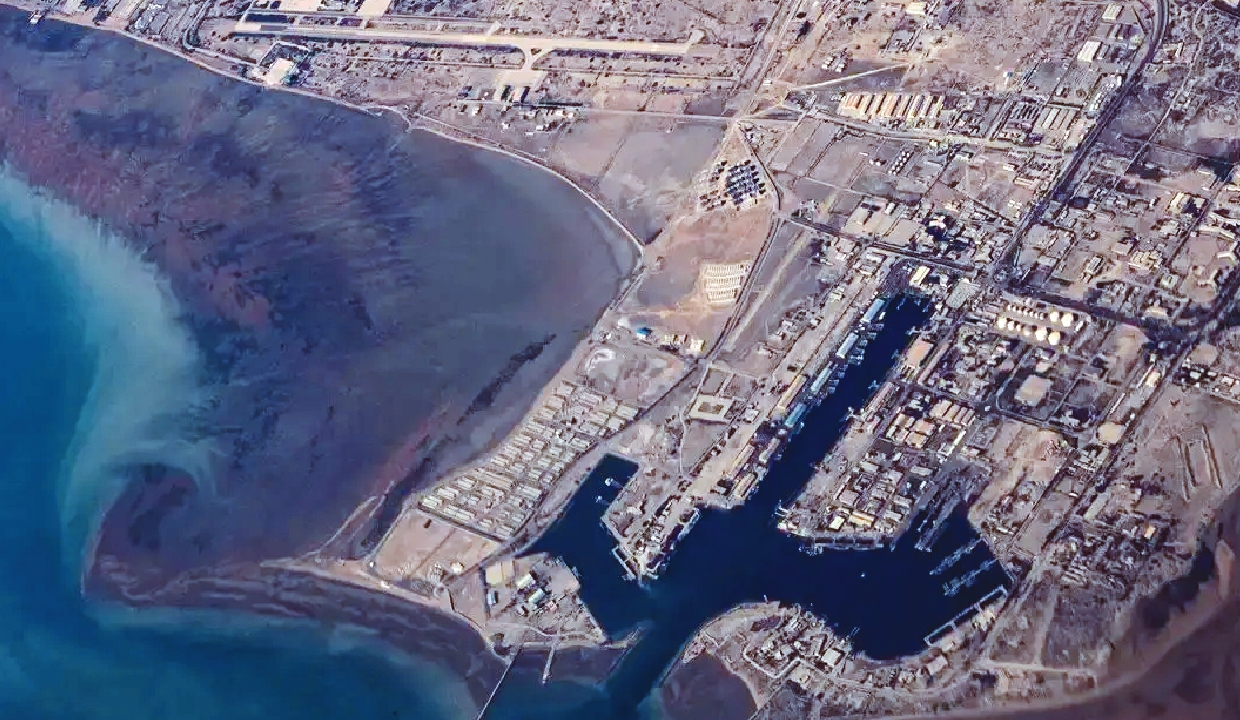
The United Nations has warned of significant risks to global trade and development, including higher food prices and cost-of-living, if the Strait of Hormuz is closed amid the West Asia conflict.
The UN Conference on Trade and Development (UNCTAD) said in a report Tuesday that the ongoing military escalation in the region due to the US-Israeli strikes on Iran and retaliation by Tehran has disrupted shipping flows through the Strait of Hormuz, one of the world’s most critical maritime chokepoints. The narrow passage carries around a quarter of global seaborne oil trade and significant volumes of liquefied natural gas and fertilisers.
“The resulting ripple effects go far beyond the region, affecting energy markets, maritime transport and global supply chains,” the report said.
“Higher energy, fertiliser and transport costs – including freight rates, bunker fuel prices and insurance premiums – may increase food costs and intensify cost-of-living pressures, particularly for the most vulnerable,” it said.
Stephane Dujarric, Spokesman for UN Secretary-General Antonio Guterres, said at the daily press briefing that UNCTAD’s economic analysis on the potential impact of a closure of the Strait of Hormuz highlights “significant risks to global trade and development”.
The UNCTAD report stressed that disruptions in the Strait of Hormuz underscore the “vulnerability” of critical maritime chokepoints to geopolitical tensions and their potential to transmit shocks across supply chains and commodity markets.
It further noted that reducing risks to global trade and development, including environmental risks, requires de-escalation and safeguarding maritime transport, ports and seafarers, and other civilian infrastructure, while maintaining secure trade corridors in line with international law and freedom of navigation.