Zohran Mamdani wants to crack down on bad landlords
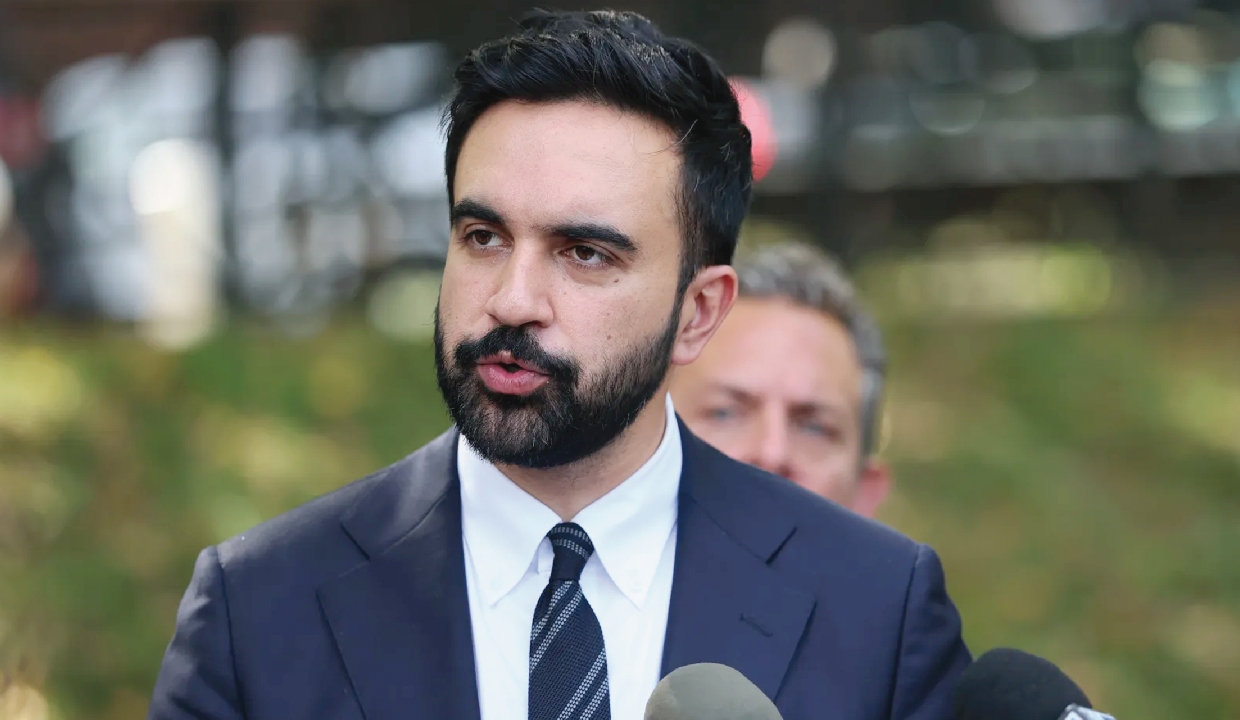
On a recent weeknight, three tenants of an ageing Bronx building were trading apartment horror stories inside a packed ballroom lined with city bureaucrats.
The occasion was the third in a series of “rental rip-off hearings,” a new forum launched by New York Mayor Zohran Mamdani for disgruntled renters to air their complaints directly to housing officials — and in some cases, the mayor himself. As she waited in line, Gulhayo Yuldosheva said she worried that noxious mould in her apartment had worsened her child’s asthma.
Nearby, her downstairs neighbour, Marina Quiroz, was showing a video of rats scurrying through her kitchen to a representative of the city’s tenant protection office. Ann Maitin, a longtime resident of the same building, had just met with the mayor.
“He let me go over my three minutes,” she said, holding up a spiral notebook’s worth of grievances.
Mamdani, a democratic socialist, swept into office on a promise of zealous tenant advocacy, framed the event as a struggle session for renters, assuring the standing room only crowd that their stories would guide the city’s efforts “to actually hold landlords accountable when they don’t follow the law.” To the residents of 705 Gerard Avenue, this raised a practical problem: No one seemed to know who actually owned their building.
“It feels like such a basic question,” said Maitin, a retired Verizon technician who recently organised the building’s tenant association. “You’d think we’d have the right to that information.” Their situation is hardly unique. As corporate owners and investor groups have grown their share of the rental market in New York City, they are increasingly shielding their identities behind limited liability companies, or LLCs.
The practice, which has also been spreading nationally, is legal. But experts warn it could complicate Mamdani’s promised crackdown, making it harder for the city and tenants to track the chronically negligent owners whose buildings the mayor has vowed to target and even seize.
“There are these big slumlords that everyone knows are doing predatory investment, but pinning them down is going to be difficult, for the LLC reason,” said Oksana Mironova, a housing policy analyst at the Community Service Society. “That’s a problem for the administration, and it’s even worse for tenants.” For Yuldosheva and her neighbours, finding their landlord is one of many problems afflicting their six-story building near Yankee Stadium.
Heat and hot water outages are regular enough that some tenants keep a thermometer on their fridge and the city’s complaint hotline on speed dial. Common areas are often filthy and increasingly populated by drug users. Getting help with an urgent maintenance issue “feels like waiting for Christmas in July,” said Maitin.
During a month-long elevator outage, a tenant who uses a wheelchair, Tommy Rodriguez, said he was forced to “slide down the steps, like a kid.” Calls to the building management about a repair timeline went unanswered, he said.
Growing up in the building in the 1980s, Rodriguez recalled the previous landlord as a friendly and responsive neighbourhood presence.
“This felt like a home before,” Rodriguez said. “Now they treat us the same as the rats.”
A large rodent had recently chewed a hole through his couch cushion. He handled the extermination himself, with a two-by-four.
When landlords refuse to address a serious violation, like heat or hot water outages, the city can step in and order repairs, then bill the owner directly.
In the last three years, inspectors have ordered emergency repairs at 38 buildings that list either Herzl or Kleiner as an owner, according to records provided by the city’s housing department. The men have been billed USD 446,521 for those repairs.
Mamdani has proposed using such fines as a vehicle to bring distressed rental properties under city stewardship by aggressively pursuing liens on delinquent landlords and buying up their portfolios through foreclosure auctions.
Just as the city can shut down unsanitary restaurants, Mamdani has said, landlords that “repeatedly put New Yorkers at risk will not be allowed to operate in New York City — with no exceptions.”