
For millions of Indians who mostly use their phones for calls and texts, prepaid recharge has often felt like being forced to buy a combo meal. Staying connected at the lowest cost usually meant paying for mobile data they hardly used. Now, that is starting to change.
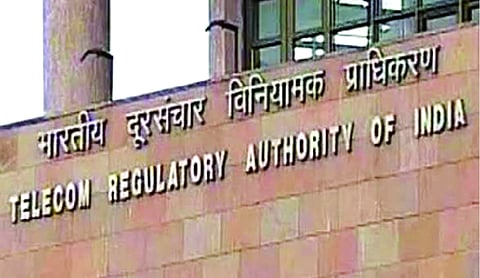
The Telecom Regulatory Authority of India (TRAI) has notified the Telecom Consumers Protection (Thirteenth Amendment) Regulations, 2026, directing operators such as Reliance Jio, Bharti Airtel and Vodafone Idea to expand voice-and-SMS-only Special Tariff Vouchers. The rules take effect about 30 days after gazette publication, putting the new packs on shop floors and apps around late October.
TRAI saw a clear problem. After a 2024 rule required at least one voice-and-SMS-only pack, most companies offered only long-term options, like 80- or 84-day packs, or annual plans lasting 336 to 365 days.
Those packs suited people who could lock in money for months. They did little for daily-wage workers, elderly users, feature-phone owners, rural subscribers and people who keep a second SIM only for calls. Short-duration, no-data choices were scarce. If an operator sold a 28-day or 30-day bundle with calls, texts and data, a cheaper The new rules fix this gap. If a company already sells a bundled pack for 30 days or less, it must now offer a similar voice-and-SMS-only voucher at a lower, fair price. voucher at an “appropriate” lower price.
TRAI did not set a strict formula after hearing from stakeholders, but the main idea is simple: if you remove data, the price should go down. Operators must also offer at least one voice-and-SMS pack that renews on the same date each month. If that date does not exist, like February 31 (This month has 28 days), the renewal happens on the last day of the month. They also need to keep at least one longer-term no-data pack that matches their quarterly or annual plans. This monthly-date rule is important. Many prepaid packs still use 28-day cycles, which means users recharge 13 times a year. A same-date monthly option brings it back to 12 payments, making it easier for families to plan their budgets.
For families who recharge on salary day, this small calendar change can be as helpful as a lower price. It is easy to imagine who will benefit: a grandparent who never uses YouTube, a shopkeeper who relies on Wi-Fi at home and only needs the phone for customers, a migrant worker who cannot afford a big quarterly payment, or a student with campus internet who wants a cheap backup number. Right now, voice-and-SMS annual packs cost between Rs 1,748 and Rs 1,849, and quarterly packs are about Rs 448 to Rs 470. Shorter, cheaper options should make it easier for these users to stay connected.
TRAI finalised the amendment after sharing a draft on April 7, 2026, receiving 1,132 public comments, and holding an open-house discussion in June. The regulator says its goal is not to slow India’s data growth, but to ensure bundling does not become an extra cost for people who do not want data. Feature phones, second SIMs, and Wi-Fi-first homes are still a big part of the market. Customers will no longer have to buy unused gigabytes to keep a number alive. Implementation will test the operators. They must redesign menus, recast prices and make the new vouchers easy to find in apps, USSD codes and kirana-store recharge counters.
Clarity will matter as much as price. If the no-data packs are buried under flashy unlimited-data offers, the reform will exist only on paper. If they are visible, affordable and easy to renew, the next recharge will feel less like buying extras and more like paying only for what the phone is actually used for: a call, a message, and a connection that lasts as long as the user can afford.