Top Thailand, Cambodian diplomats meet in China
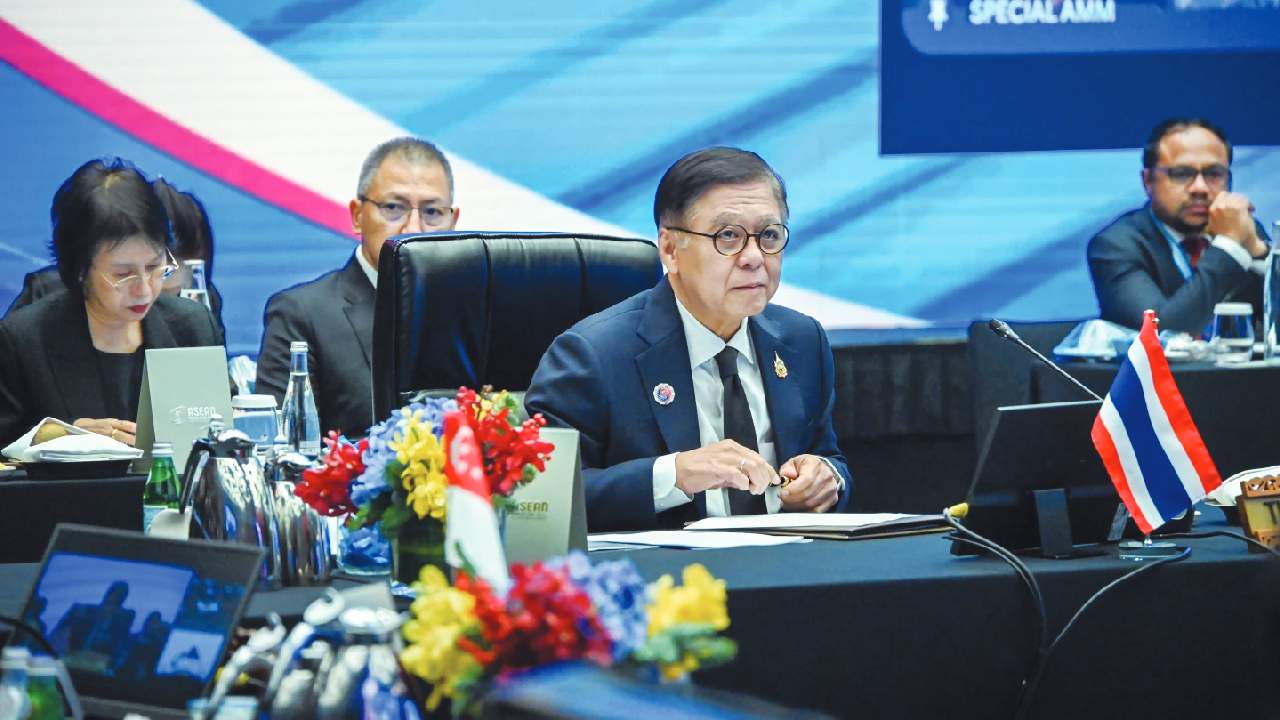
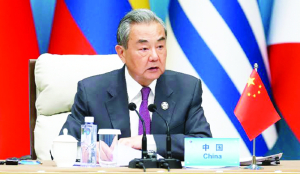
Top diplomats from Thailand and Cambodia kicked off two-days of talks in China on Sunday as Beijing seeks to strengthen its role in mediating the two countries’ border dispute, a day after they signed a new ceasefire. The ceasefire agreement signed on Saturday calls for a halt to weeks of fighting along their contested border that has killed more than 100 people and displaced over half a million people in both countries. Foreign Minister Sihasak Phuangketkeow and Cambodian Foreign Minister Prak Sokhonn were set to meet in China’s southwestern Yunnan province for talks mediated by their Chinese counterpart, Wang Yi.
The talks aim to ensure a sustained ceasefire and promote lasting peace between the countries, according to a statement by Sihasak’s office. Wang was scheduled to join both bilateral meetings with each of the diplomats and a trilateral talk on Monday. China has welcomed the ceasefire announcement, which freezes the front lines and allows for displaced civilians to return to their homes near the border. “China stands ready to continue to provide the platform and create conditions for Cambodia and Thailand to have fuller and more detailed communication,” a Chinese Foreign Ministry statement read.
The ceasefire agreement comes with a 72-hour observation period, at the end of which Thailand agreed to repatriate 18 Cambodian soldiers it has held as prisoners since earlier fighting in July. Their release has been a major demand of the Cambodian side. China has sought to position itself as a mediator in the crisis, along with the United States and Malaysia. A July ceasefire was brokered by Malaysia and pushed through by pressure from US President Donald Trump, who threatened to withhold trade privileges unless Thailand and Cambodia agreed.
Despite those deals, Thailand and Cambodia carried on a bitter propaganda war, and minor cross-border violence continued, erupting into heavy fighting in early December. Prak Sokhonn, in a statement after his meeting with Wang, expressed deep appreciation for China’s “vital role” in supporting the ceasefire.
China also announced 20 million yuan ($2.8 million) of emergency humanitarian aid for Cambodia to assist the displaced. The first batch of Chinese aid, including food, tents and blankets, arrived in Cambodia on Sunday, Wang Wenbin, Chinese ambassador to Cambodia, wrote on Facebook. Sihasak said Sunday he hoped the meetings would convey to China that it should both support a sustainable ceasefire and send a signal to Cambodia against reviving the conflict or attempting to create further ones. “Thailand does not see China merely as a mediator in our conflict with Cambodia but wants China to play a constructive role in ensuring a sustainable ceasefire by sending such signals to Cambodia as well,” he said.
Thailand’s political parties name PM candidates for February election
Bangkok: Political parties in Thailand on Sunday registered their candidates for the next prime minister, marking the unofficial start of campaigning for the February 8 general election. Prime Minister Anutin Charnvirakul dissolved Parliament earlier this month to call early polls, after the main opposition party prepared to seek a no-confidence vote over constitutional change. Calling a new election allows Anutin and his Bhumjaithai Party to build up their numbers in the House of Representatives to gain a more secure grip on Government. Voters will simultaneously cast ballots in a referendum asking whether they want a new constitution, a move promoted by progressive parties who claim the current powers held by the bureaucracy and unelected bodies are undemocratic.
The election is seen as primarily pitting Anutin’s conservative party against the progressive People’s Party, which under a different name and leadership won the highest number of House seats in the 2023 election. It ended up being blocked by conservative lawmakers from gathering enough support to form a Government. The populist Pheu Thai Party, backed by billionaire former Prime Minister Thaksin Shinawatra, is another major contender. It took power after the 2023 election, when the People’s Party’s effort was stymied. Thaksin remains the dominant figure behind Pheu Thai even though he is serving a prison term for convictions related to corruption and abuse of power. Anutin has held office for only three months after the court-ordered removal of his predecessor, Thaksin’s daughter Paetongtarn Shinawatra, for what were judged ethical lapses. Anutin’s Government saw a slip in popularity following deadly flooding in southern Thailand and high-profile scandals that ensnared several officials and business figures.
However, he may have boosted his appeal by adopting an aggressive military posture appealing to nationalists as Thailand engaged in large-scale combat with Cambodia over a long-standing border dispute. Thai media reported that representatives of 52 parties showed up on Sunday in northern Bangkok to register their candidates, along with “party list” nominees who gain seats according to each party’s proportional share of the vote. Each party is allowed to propose up to three candidates. The Bhumjaithai party selected just two, with veteran diplomat Sihasak Phuangketkeow, who currently serves as foreign minister, being the backup to Anutin. Their main challenger is the People’s Party.
A political marriage of convenience has broken up
-----------------------------------------------------------
Anutin won the September vote to become prime minister with support from the People’s Party in exchange for a promise to dissolve Parliament within four months and organise a referendum on the drafting of a new constitution by an elected constituent assembly. However, the People’s Party at the same time insisted on acting as an opposition party. Its position now is that Anutin and his party showed bad faith in a vote on constitutional change, and dissolving Parliament constituted a final break of their temporary partnership. People’s Party leader Natthaphong Ruengpanyawut, its primary candidate for prime minister, vowed that none of its lawmakers will support Anutin or Sihasak for prime minister.
The People’s Party continues to push a reformist agenda, including a controversial pledge to seek amnesty for political prisoners, specifically those held under Thailand’s strict law curbing criticism of the monarchy. Its position puts it sharply at odds with Thailand’s powerful royalist conservative establishment. The Pheu Thai party, the current incarnation of Thaksin’s political machine, is fielding 46-year-old Yodchanan Wongsawat as its main candidate for prime minister.