The longest goodbye: A 13-year vigil ends with a whisper
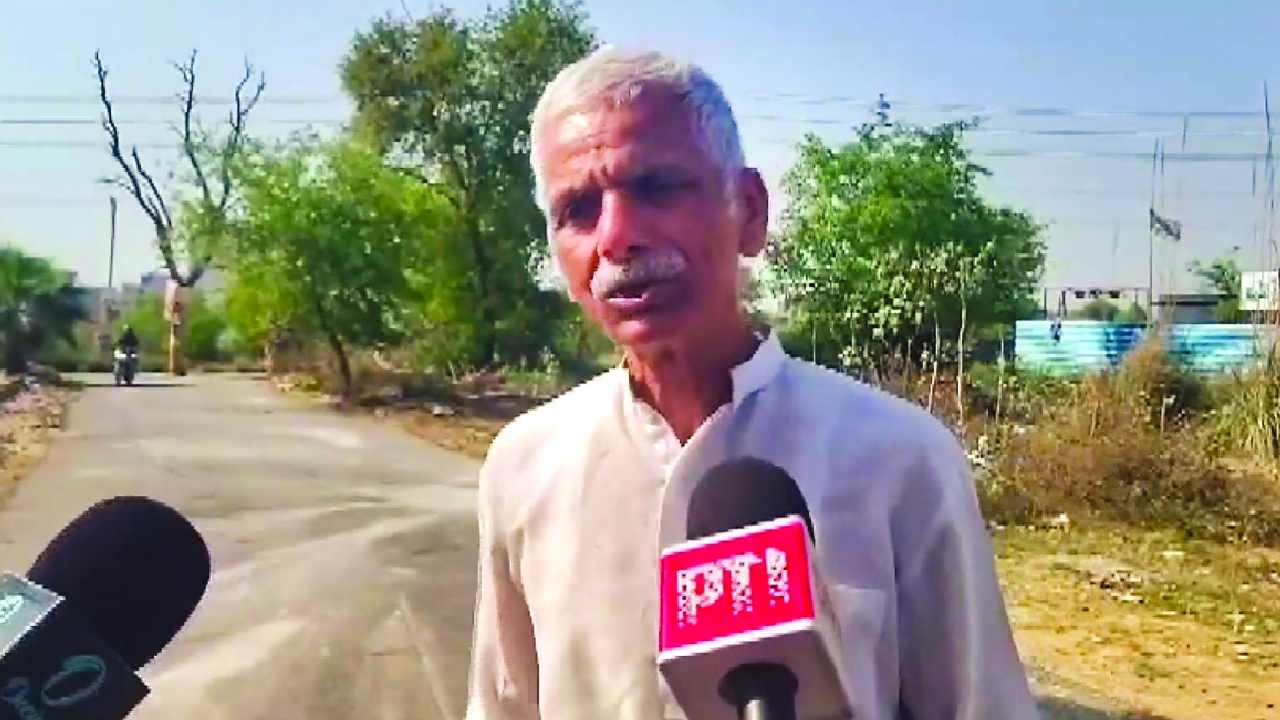
“Forgive everyone… ask forgiveness from everyone… now go.”
With these trembling words, the family of Harish Rana said their final goodbye on Sunday, ending a 13-year vigil beside a hospital bed where hope had refused to die.
Rana, 31, had remained in a vegetative state since a devastating accident in 2013. His life support was withdrawn at the All India Institute of Medical Sciences (AIIMS) after the Supreme Court permitted passive euthanasia in his case.
On Sunday, that long wait ended with a final farewell whispered through tears. As his parents stepped away from the bedside where they had spent more than a decade, their words carried the weight of love, grief and release: “Forgive everyone… ask forgiveness from everyone… now go.”
For years, Rana’s life had existed in a fragile pause between breath and silence. Once a young bodybuilder with powerful muscles and bright ambitions, he lay motionless on a hospital bed, unable to respond to the world around him.
A photograph that recently circulated online captured the stark transformation. The once strong 20-year-old had grown frail after years of immobility. His thick hair had disappeared, his body weakened. Beside him stood his mother, wrapped in a red scarf, still watching her son with a hope that refused to fade.
The accident that changed his life occurred on Raksha Bandhan in August 2013. Then a student at Panjab University living in a paying guest accommodation, Rana fell from the fourth floor of the building, suffering catastrophic brain injuries that left him paralysed and in a deep coma.
Doctors later confirmed he had entered a persistent vegetative state — a condition in which a person remains alive but unaware of themselves or their surroundings. Rana never regained consciousness.
For years he survived with medical support. A tracheostomy tube inserted through the neck into the windpipe assisted his breathing, while a gastrojejunostomy tube delivered food directly into the small intestine. Confined to bed for more than a decade, his body developed complications, including wounds caused by prolonged immobility.
Despite constant care and treatment, medical reports consistently concluded there was no possibility of recovery. Rana’s parents eventually approached the Supreme Court seeking permission for euthanasia, invoking the principle of the “right to die with dignity”.
The case was heard by a bench of Justice JB Pardiwala and Justice KV Viswanathan. After examining medical records and expert reports, the judges noted that Rana had shown no improvement in 13 years and that there was no realistic chance of recovery. During the hearing, the bench reflected on the moral complexity of such cases, invoking a famous line from William Shakespeare’s Hamlet : “To be or not to be.”
The court permitted passive euthanasia — the withdrawal of life-sustaining treatment rather than actively ending life. Rana was moved to the palliative care unit at AIIMS, where the focus shifted from treatment to comfort. Doctors continued basic care such as pain management, hygiene and medication for comfort while avoiding aggressive interventions meant to extend life.
Medical experts say that once life-support systems are withdrawn, it is impossible to predict how long a patient may survive. For Rana’s family, the decision came after years of emotional and physical exhaustion. For more than a decade, they had waited beside his bed, hoping that someday he might wake up.