The Growing Role of Small Fleet Operators in India's Development Story
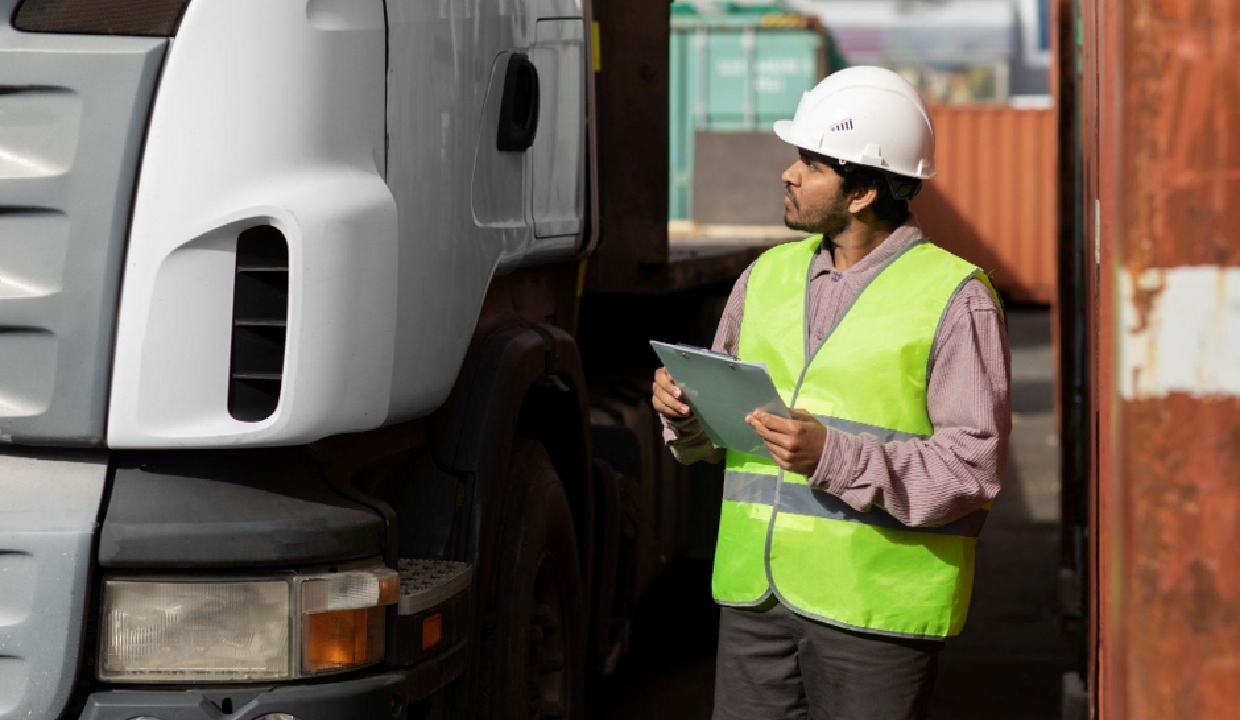
India’s logistics sector is one of the biggest and fastest growing logistics markets in the world. The India logistics market reached USD 243.82 billion in 2025 and is projected to touch USD 429.02 billion by 2034. Behind this growth story, beyond the large logistics companies and e-commerce giants, is a less-discussed group of contributors- small fleet operators running anywhere from 1 to 20 vehicles. They are the ones keeping goods moving through cities, connecting factories to markets, and reaching places that organised logistics players have not yet fully penetrated.
Their contribution is significant. Their challenges are real. And their future is becoming increasingly tied to how well they adopt the tools, protections, and strategies that make fleet operations sustainable.
Why Small Fleet Operators Are Becoming the Backbone of India's Logistics Network
The full truck load market in India remains highly fragmented, with a high share of small fleet owners forming the operational foundation of freight movement across the country. The fragmentation is not a weakness but a structural reality that reflects the spread of India’s geography, trade patterns and economic activity.
Large logistics companies handle the high-volume trunk routes connecting major cities. Small fleet operators handle everything else- the last stretch to a rural market, the daily run between a factory and a warehouse, the daily movement of goods between production centres, warehouses and regional markets.
Roads carried nearly 70% of freight tonnage in India in 2025. Small fleet operators are responsible for a substantial share of that road freight. Without them, the supply chains feeding India's manufacturing clusters, agricultural markets, and growing consumption base would face significant gaps.
How Infrastructure Development is Opening New Growth Avenues for Fleet Owners
India's highway infrastructure has improved significantly in recent years, supported by initiatives such as Bharatmala, digital toll collection and enhanced freight connectivity. These developments have improved transport efficiency and increased route productivity for fleet operators.
For small operators, these improvements translate into higher vehicle utilisation and more efficient freight movement.
The PM Gati Shakti Master Plan and the National Logistics Policy have together created a policy environment that explicitly targets reducing logistics inefficiency, and small fleet operators who position themselves along improving corridors stand to benefit from rising freight volumes on routes that are becoming more viable.
What Economic Contributions Do Small Fleet Operators Make to Local and National Growth?
- Employment generation
A single truck supports more employment than the driver alone. Cleaners, mechanics, loading and unloading workers, fuel station attendants, roadside dhabas and rest stops- each truck that operates creates a small ecosystem of economic activity around it. Across India's millions of small fleet vehicles, the cumulative employment impact is substantial. The trucking ecosystem supports livelihoods across small towns and rural regions.
- Support for MSMEs and regional trade
Small and medium businesses drive a large part of India's economy. But they cannot function without a way to move their goods. From manufacturers and food processors to handicraft producers, small businesses depend on efficient transport networks to reach customers and markets. Small fleet operators handle this freight- often on routes and in areas that larger logistics companies skip over. Take that capacity away, and many of these businesses simply cannot operate.
- Strengthening supply chain connectivity
India's economic activity is not concentrated in a handful of cities. It is distributed across hundreds of industrial clusters, agricultural belts, and growing tier 2 and tier 3 consumption centres. Large logistics networks serve the trunk routes. Small fleet operators serve the branches- the connections that bring goods to and from places that organised logistics has not yet made economically viable to serve at scale.
What Are the Biggest Operational Challenges Facing Small Fleet Businesses Today?
- Fuel and maintenance costs
Fuel is the largest and most unpredictable operating expense. Diesel price movements directly compress or expand margins without operators having any control over them. Modern commercial vehicles require specialised maintenance, often increasing repair costs for smaller operators.
- Driver availability
Driver shortages continue to affect fleet expansion, particularly for small operators with limited resources for recruitment and retention.
- Freight rate fluctuations
Freight rates move with seasonal demand, fuel prices, and the availability of trucks on specific routes. Small operators without long-term contracts are particularly exposed to rate volatility- a slow season or an oversupplied route can turn a profitable vehicle into a loss-making one quickly.
- Vehicle downtime
A truck off the road is not generating revenue. For a small operator running one or two vehicles, a breakdown that takes a week to resolve because parts are unavailable or a workshop is overbooked can directly affect the operator's ability to meet loan repayments and household expenses. Downtime is both an operational and a financial risk.
For operators running medium and heavy commercial vehicles over long distances, having appropriate truck insurance can provide an added financial safeguard against unexpected disruptions and help minimise the impact of unforeseen incidents on business operations.
Why Risk Management Has Become Critical for Sustainable Fleet Growth
As small fleet operators take on larger contracts, operate across longer distances, and invest in newer and more expensive vehicles, the financial consequences of an uninsured incident grow proportionally. A serious accident on a national highway, a vehicle theft, or a major mechanical failure can generate a financial loss that a small operator simply cannot absorb without structured protection in place.
As fleet operators expand into new geographies and take on larger contracts, managing financial risks becomes increasingly important. Commercial vehicle insurance helps protect businesses from unexpected liabilities arising from accidents, theft or third-party damages, allowing operators to maintain continuity and recover faster from disruptions.
How Technology is Helping Small Fleet Operators Improve Efficiency and Profitability
The India fleet management market was valued at USD 1.30 billion in 2025 and is projected to reach USD 3.04 billion by 2034, growing at nearly 10% annually. This reflects the growing recognition among operators that technology is no longer optional but essential for competitiveness. Much of this growth is being driven by small and medium fleet operators adopting tools that were previously only accessible to large organised players.
- GPS and route optimisation
Real-time GPS tracking helps operators know where their vehicles are at all times, reducing the time spent on unproductive calls between operators and drivers. Route optimisation tools identify the fastest or most fuel-efficient path for a given load, reducing fuel consumption meaningfully on high-frequency routes.
- Fleet tracking solutions
Fleet tracking systems help operators monitor vehicle performance, reduce inefficiencies and identify maintenance issues early.
- Digital freight platforms
GPS-guided dispatch has trimmed empty runs significantly for operators who use digital platforms, directly improving vehicle utilisation. Digital freight platforms match available trucks with available loads, reducing the empty kilometres that are one of the biggest sources of wasted cost in road freight operations.
- Predictive maintenance
Fleet management systems that flag developing mechanical issues before they cause a breakdown are becoming more accessible. For a small operator, catching a problem at a scheduled service visit costs far less than dealing with a breakdown on a national highway, where recovery costs, downtime, and potential cargo damage all compound.
Why Specialised Protection Matters for Trucks Operating Across Diverse Routes
A truck operating on a fixed urban route faces a different risk profile from one running long-haul between cities, or one carrying goods through hilly terrain in monsoon season, or one transporting hazardous materials under specific regulatory conditions.
Operators running long-haul and heavy-duty vehicles often face route-specific risks that differ significantly from urban freight operations. Selecting insurance coverage suited to vehicle usage, operating conditions and cargo type can help reduce financial exposure and improve business resilience.
What Will Shape the Future of India's Small Fleet Transport Sector?
- Increasing freight demand
India’s logistics market is expected to grow at a CAGR of 6.48% till 2034, driven by e-commerce growth, manufacturing expansion and increase in domestic consumption. The volume of freight needing to move will continue to grow, and small fleet operators who are well positioned on growing corridors will have more work available than their current capacity can serve.
- Logistics modernisation
The formalisation of supply chains under GST, the expansion of warehousing infrastructure, and the growing expectations of manufacturers and e-commerce companies for trackable, reliable freight are pushing logistics toward a more organised model. Small operators who adopt digital tools and documentation practices that meet these expectations will be able to access contracts that were previously out of reach.
- Fleet formalisation
Access to institutional finance, manufacturer financing schemes, and government-backed fleet modernisation programmes is increasingly tied to formal documentation and compliance. Operators who formalise their operations, with proper registration, insurance, accounts, and digital records, find it significantly easier to access the capital needed to grow.
- Adoption of technology and financial safeguards
The operators who build durable businesses over the next decade will be those who combine operational discipline with the right financial protections. Businesses that combine operational efficiency, digital adoption and sound financial planning will be better positioned to scale sustainably in the years ahead.
Conclusion
Small fleet operators are not a peripheral part of India's logistics story, they are a central one. They carry the freight that keeps factories running, markets supplied, and communities connected. They generate employment in places where formal sector jobs are scarce. And they are increasingly doing so with stronger infrastructure, improved business practices and greater access to technology.
India's development story over the next decade will be written in part by the roads its goods travel on, the vehicles that carry them, and the operators who keep those vehicles moving. Small fleet operators will remain central to India's efforts to build a faster, more efficient and better-connected logistics ecosystem.