Supreme Court rejects plea on voter deletions in West Bengal
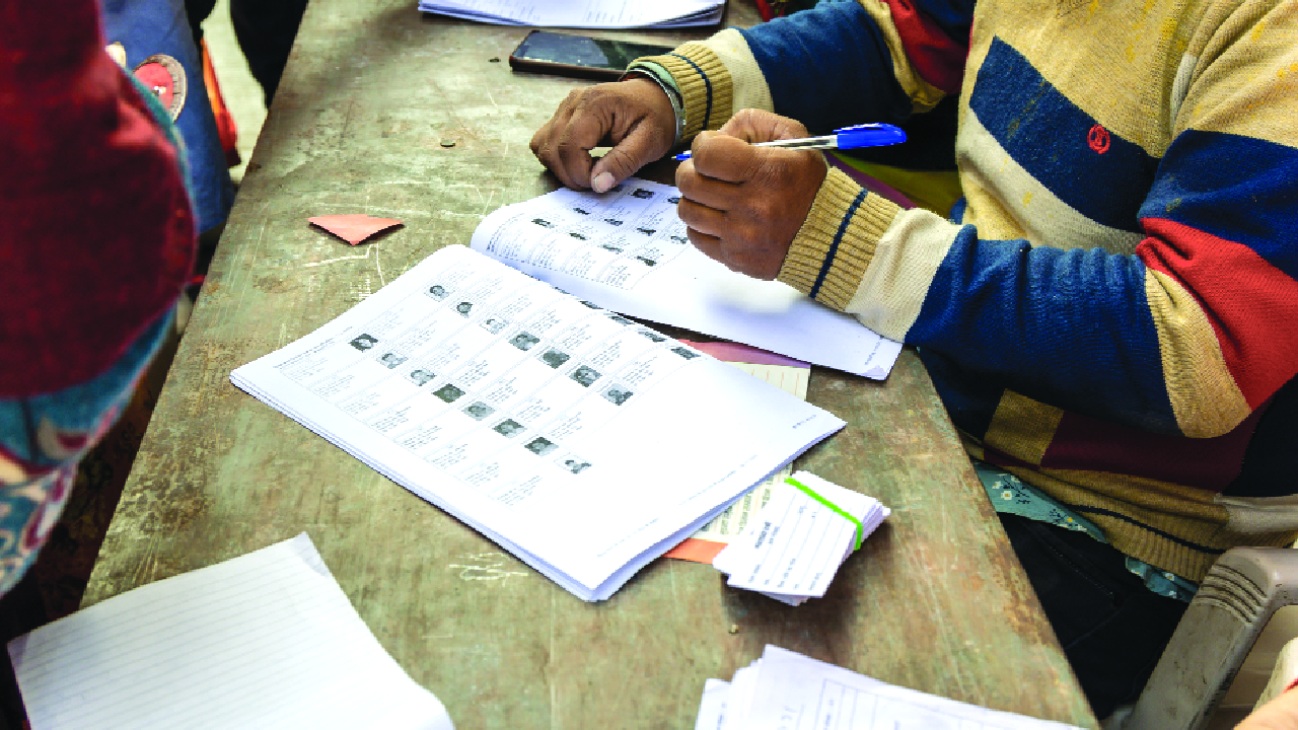
The Supreme Court on Monday declined to entertain a plea by a group of 13 people seeking its intervention in the deletion of their names from the voter list during the Special Institutional Revision (SIR) in West Bengal, where polling for the first phase of the assembly election will be held on April 23.
A bench comprising Chief Justice Surya Kant and Justice Joymalya Bagchi termed the petition “premature”, directing the aggrieved parties to approach the established appellate tribunals instead. The CJI declined to pass any order on fixing a timeline for the 19 appellate tribunals to decide the appeals of deleted voters.
“Since the petitioners (Quaraisha Yeasmin and others) have already approached the appellate tribunals… in our considered view, the apprehensions expressed in the petition are premature. If the plea is allowed, then necessary consequences will follow,” the bench said in its order, adding that it has not expressed any views on the merits of the plea.
The plea alleged that the Election Commission was summarily deleting names without following due process, and that appeals against these deletions were not being heard in a timely manner. The Chief Justice of Calcutta High Court has set up as many as 19 tribunals headed by former HC chief justices and judges to decide appeals against deletions of names of persons from the voters’ lists.
Senior advocate D S Naidu, appearing for the poll panel, informed the court that there are approximately 30 to 34 lakh appeals currently pending. “Every tribunal now has over one lakh appeals to handle,” the bench said.
Justice Bagchi, during the hearing, referred to the sanctity of the electoral process and said the right to vote is not merely a constitutional formality but a “sentimental” pillar of democracy. “The right to vote in a country you were born in is not just constitutional, but sentimental. It is about being part of a democracy and helping elect a government,” he said. He, however, said that the tribunals, manned by former judges, cannot be overburdened by fixing the timelines for adjudications. “It is not the end justifying the means, but the means justifying the end,” Justice Bagchi said.
“We need to protect due process rights. The voter should not be sandwiched between two constitutional authorities,” he said, adding that it would not interdict the election process at this stage. Justice Bagchi noted that the Calcutta High Court Chief Justice had already formulated the manner and mode for appeals, which began on Monday.
The CJI emphasised that the petitioners must exhaust their remedies before the appellate tribunals. Assembly elections in West Bengal will be held in two phases on April 23 and 29, and votes will be counted on May 4.
The apex court also wanted to know if those arrested by the NIA for the April 1 gherao of seven judicial officers in Malda district “had any political background”, with the CJI saying “this has to be taken to a logical conclusion”.