Hooch tragedies: Supreme Court suggests stricter methanol controls
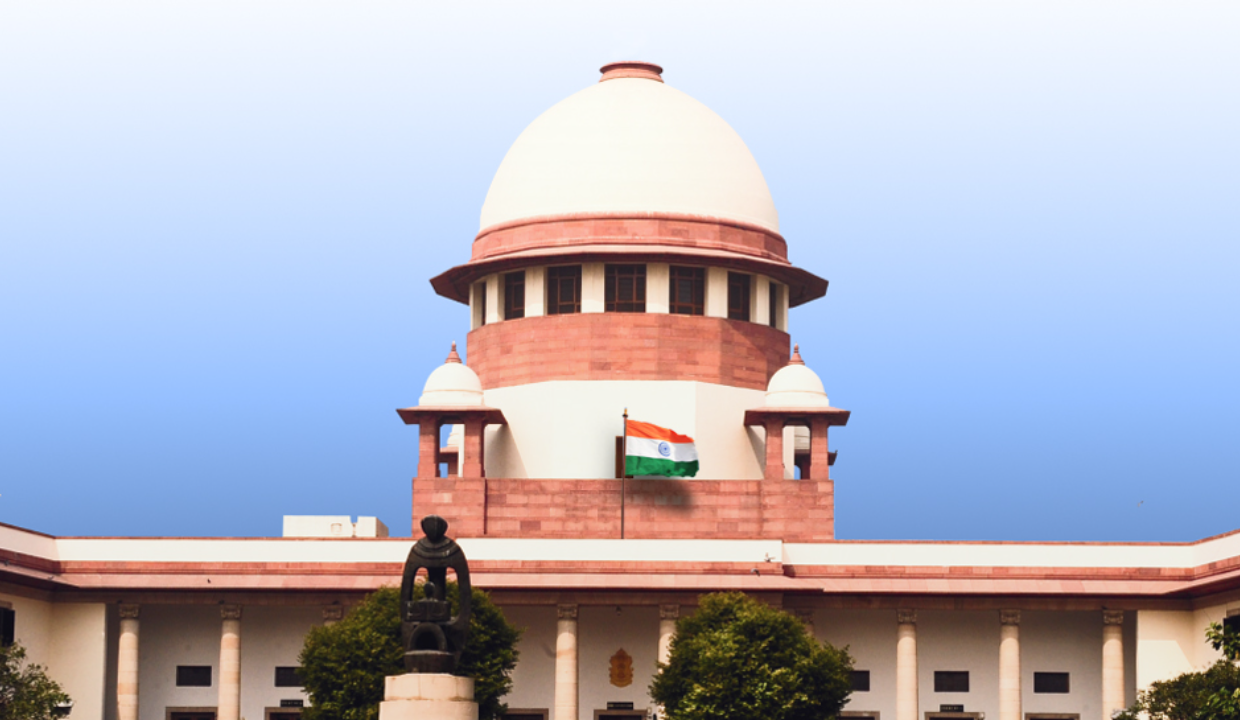
The Supreme Court on Friday suggested a coordinated, multi-department strategy for states and Union territories to prevent hooch tragedies, calling for stronger checks on the illegal manufacture, transportation and sale of spurious liquor.
A bench of Justices J B Pardiwala and K Vinod Chandran made a series of recommendations while striking down Rules 18A and 18B of the Maharashtra Poisons Rules. The provisions, introduced through a 2011 notification following a major hooch tragedy in Mumbai, required methanol to undergo specified treatment before being sold to certain non-drug manufacturers. The court found the restrictions disproportionate.
Justice Pardiwala, writing the judgment, observed that a complete prohibition on alcohol can push the liquor trade underground and increase the availability of unregulated and potentially lethal brews.
The court said prevention should focus on disrupting both the supply and demand chains of illicit liquor. It suggested stricter monitoring at state borders, with transport authorities working alongside police, excise and prohibition departments to check illegal movement of liquor.
The bench also called for closer monitoring of suspected local breweries, particularly those operating in semi-industrial and congested urban areas. Industrial units dealing with chemical solvents should also be monitored by state industries departments to detect illegal diversion of such chemicals to liquor manufacturers.
On methanol regulation, the court suggested that states review their existing rules governing procurement, licensing, storage and transportation. It said licences and permits should be granted only after proper verification of applicants’ credentials and genuine requirements.
The court further suggested mandatory records of methanol consumption and closing stock, with periodic reconciliation to identify unexplained shortages. Violations could lead to suspension or cancellation of licences and permits, along with disqualification from obtaining fresh permissions.
It also recommended that methanol be transported in dedicated tankers exclusively meant for the chemical to reduce the risk of pilferage or substitution.
with inputs from PTI