Supreme Court extends maternity leave to all adoptive mothers
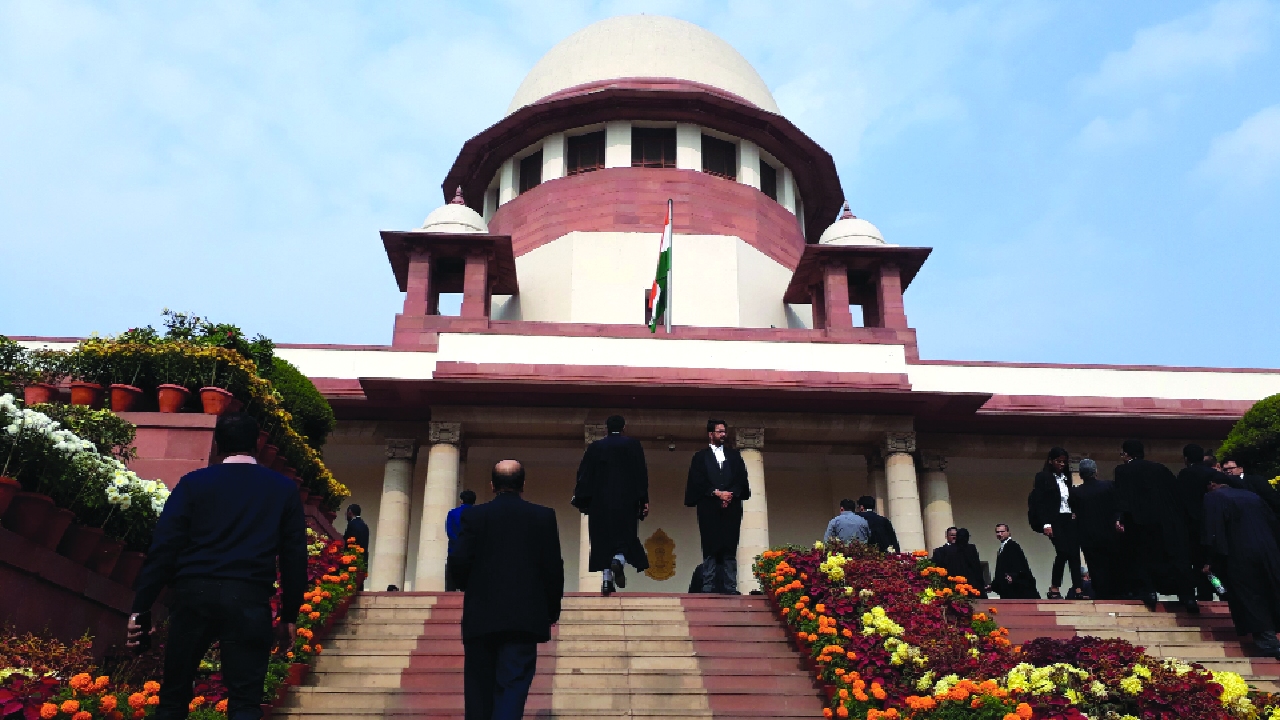
The Supreme Court of India on Tuesday struck down a provision restricting maternity leave to mothers who adopt children below three months of age, holding it discriminatory and violative of fundamental rights. The court held that adoptive mothers are entitled to 12 weeks of maternity leave irrespective of the child’s age.
“We have reached the conclusion that Section 60(4) of the 2020 Code, insofar it puts an age limit of three months on the age of the adoptive child, for the adoptive mothers to avail maternity benefit under the 2020 Code, is violative of Articles 14 and 21 of the Constitution respectively,” a Bench of Justices JB Pardiwala and R Mahadevan ruled.
Observing that adoption is part of a woman’s reproductive autonomy, the court said maternity benefits cannot be tied to the age of the child. It emphasised that adoptive mothers have the same rights and obligations as biological mothers.
“The object of maternity benefit is not associated with the process of childbirth but with the process of motherhood,” the bench said, adding that the purpose of maternity protection does not vary based on how a child enters a family.
The court noted that adoptive parents and children undergo similar emotional, psychological and practical adjustments regardless of the child’s age. Denying leave based on an “arbitrary age threshold” ignores these realities, particularly in cases involving children with disabilities or single mothers, it said.“The protection of maternity leave is a basic human right… It embodies an essential component required to promote equality in the workplace and safeguards maternal and child health,” the bench observed.
The judgment came on a plea by advocate Hamsaanandini Nanduri, an adoptive mother, who challenged the provision as arbitrary and inadequate compared to the 26 weeks of leave granted to biological mothers. In its 100-page ruling, the court stressed that children adopted at any age require sustained care and stable parental presence to integrate into a new family environment.
The court also asked the Centre to consider introducing paternity leave as a social security benefit, underscoring the need for broader parental support frameworks.
Emphasising practical realities, the bench said maternity leave is not merely a matter of convenience but a necessary support that enables women to fulfil parental responsibilities while ensuring economic independence.