No lesson learnt: SC pulls up NTA in NEET paper leak case
The Supreme Court (SC) on Monday sought responses from the Union Government, the National Testing Agency (NTA) and the Central Bureau of Investigation (CBI) on pleas seeking replacement of the testing agency with a robust and autonomous body to conduct the medical entrance exam. All the parties were directed to file their responses within three days by the court, which listed the matter for further hearing on Friday.
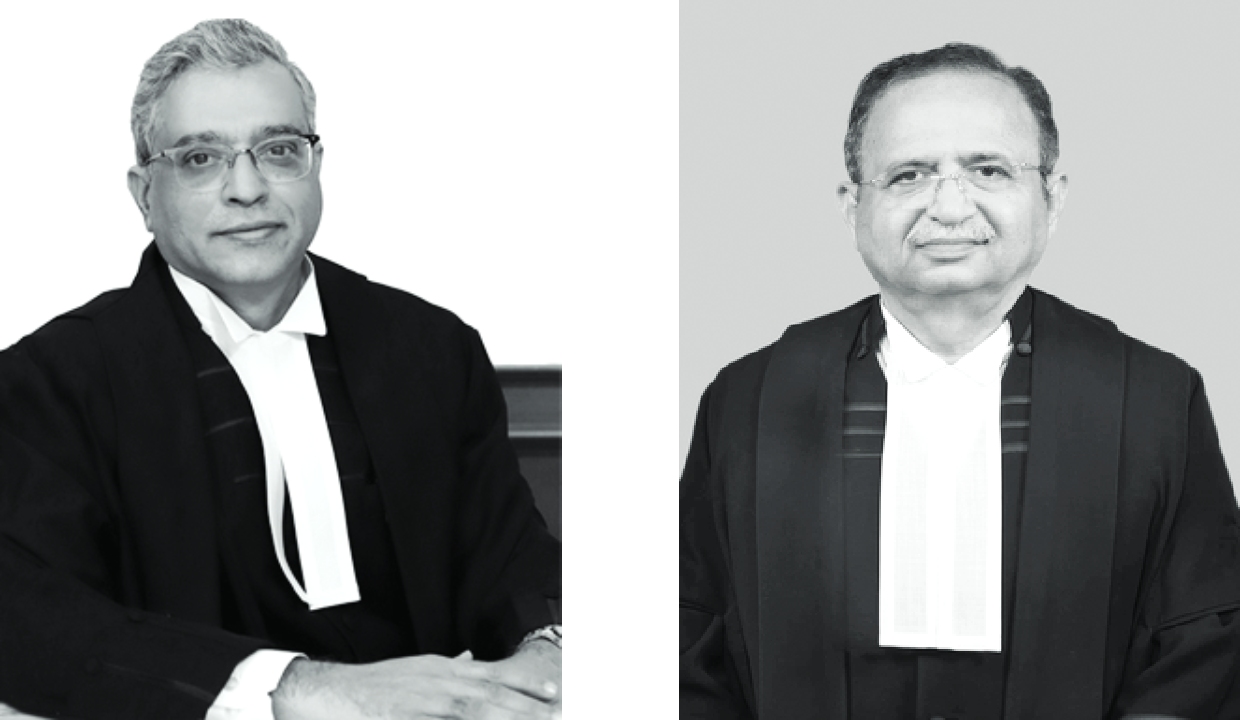
“It’s sad that they have not learnt their lessons. The matter travelled to this court earlier also. There was a committee, a monitoring committee, which made some recommendations, and they were accepted. We want the NTA to file an affidavit on the steps taken for compliance of recommendations suggested by the committee,” a bench of Justices PS Narasimha and Alok Aradhe said. The court, which issued notice on a plea filed by the Federation of All India Medical Association (FAIMA), through lawyer Tanvi Dubey, said it is tagging all similar matters together.
The medical body has urged the top court for direct restructuring or replacement of NTA with a robust and autonomous system to conduct NEET-UG, citing a “direct assault” on the fundamental rights of over 22 lakh students through recurring paper leaks.
The court directed that a copy of the petitions be served to Solicitor General Tushar Mehta, besides other parties, and asked the NTA, which is responsible for conducting the NEET exam, to file an affidavit by Thursday on compliance of directions issued by the court in 2024.
The SC directed the Centre-appointed committee led by former Indian Space Research Organisation (ISRO) chief K Radhakrishnan for the overhaul of the functioning of the NTA to detail the steps taken in compliance with its directions.
In 2024, after the question paper leak of the NEET-UG examination, the top court had refused to cancel the exam but passed various directions aimed at tackling paper leaks and also a criterion for cancelling public exams.
The SC had expanded the mandate of the Radhakrishnan committee and directed it to recommend reforms on examination security, transportation of papers, CCTV surveillance, candidate verification, encryption protocols, technological safeguards, real-time monitoring, grievance redressal and adoption of international best practices.