FM calls for focus on fuel, fertiliser, forex
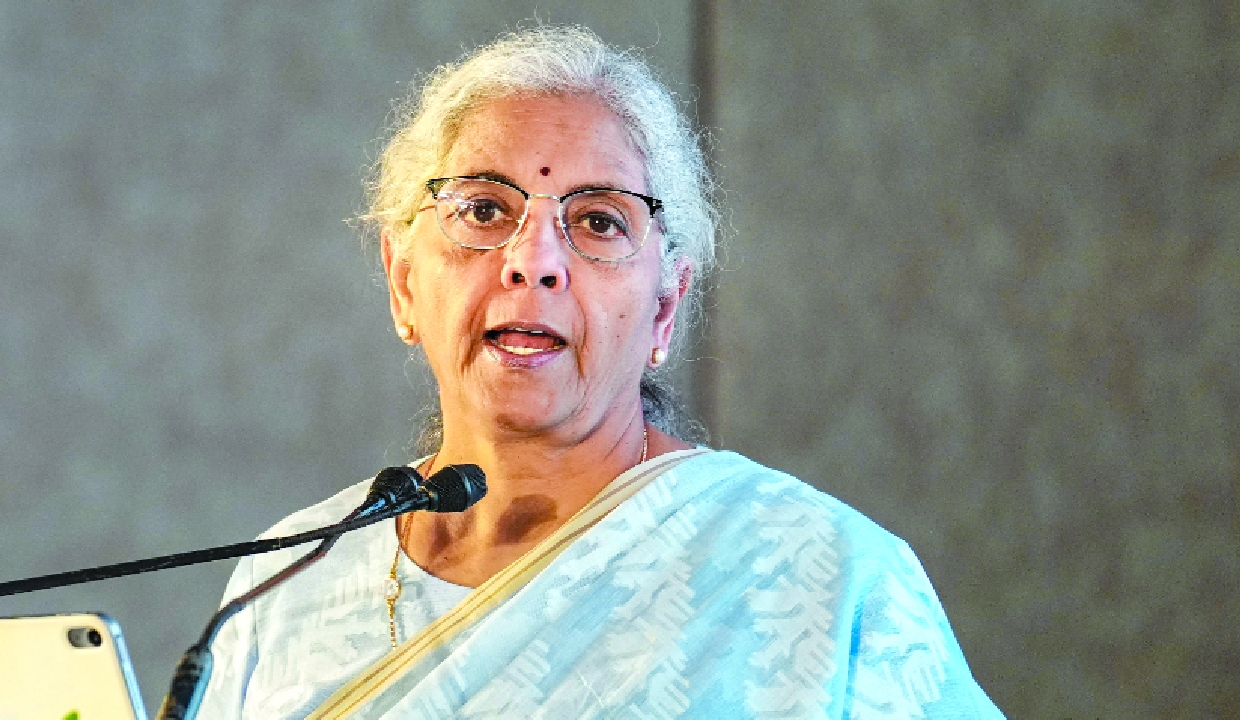
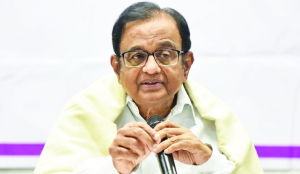
Hours after the hike in fuel prices, Union Finance Minister Nirmala Sitharaman on Monday stressed the need to focus on three Fs — fuel, fertiliser and forex — amid the West Asia crisis, which she said is not merely a geopolitical issue but would affect common people and businesses due to rising energy costs.
She admitted that the rising crude oil and fertiliser prices due to the US-Iran war have become a major concern for the country’s economy.
“We should appreciate that the challenges are more externally driven. We must also recognise that India’s domestic economic situation remains positive and resilient even today,” the finance minister said.
She acknowledged that it is a challenge for the small business units to plan for the future, and also added that the crisis, which has been running for over 80 days now is also a challenge for countries, including India. The government’s approach is focused on protecting citizens, supporting micro, small and medium enterprises, safeguard exporters and keeping supply chains moving and maintaining economic stability, she said.
Naysayers have created a “cynical and pessimistic narrative” after the Prime Minister’s appeal for austerity, she said, stressing that such observations are factually incorrect. “It (the narrative) is wrong because it is fear-mongering. India cannot afford fear-mongering. We need to give confidence to the people with our words and with our actions,” she said.
Fuel prices are high, gold prices have climbed to elevated levels, creating concerns on the external front, and there is an “unimaginable increase” in the fertiliser prices, she said, contextualising the call made by the Prime Minister. Therefore, there is a need to look at conserving the forex, she said.
Stating that India’s policy response has been calibrated to preserve domestic growth, Sitharaman said the cut in diesel and petrol excise duties will lead to a revenue impact of Rs 1 lakh crore.
“All the good that is being done by the common people themselves is forgotten. And a pessimistic, cynical narrative is generated, which is just not right,” she said.
She also highlighted that the issue of Rs 8.1 lakh crore locked in delayed payments for MSMEs is impacting their working capital and growth, and urged public sector undertakings not to exceed the 45-day window to make payments to them.
Meanwhile, Sitharaman also asked lenders to relook at the design of loans to tailor-make products, where repayments happen when an entity gets its revenues.” My message to Sidbi and every banker here is that standard products cannot serve non-standard businesses,” she said, citing examples of how the income generations of businesses vary across multiple activities.
At present, loans are typically given on a monthly repayment basis, which may be weekly as well in the case of microfinance.
“A farmer-linked enterprise does not earn every month. A resort does not earn evenly through the year. A garment exporter waits for payment after shipment. A small auto-comp supplier waits for invoice clearance. A woman entrepreneur may have regular transactions yet no property in her name,” Sitharaman said.
“Why should all of them be given the same repayment structure?” the finance minister questioned, asking Sidbi to take the lead to ensure that credit is designed around the business cycle of an enterprise.