
Your Ride History
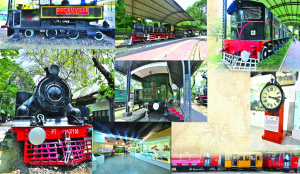
This International Museum Day, on May 18, at the National Rail Museum, century-old locomotives stand as silent witnesses to India's industrial transformation, demanding your presence to truly feel their monumental weight
What happens to the machines that built a country when they become obsolete? Ten acres of open gravel answer that question in hundred-ton blocks of resting cast iron. When steam power entered the landscape, it forced a sprawling landmass into a single synchronized schedule. The National Rail Museum stands as the physical residue of that massive shift.
Inside the administrative offices, Director Dinesh Kumar Goyal views the yard as an anchor against historical amnesia. “Museum are more than repositories of the past — they are bridges to our future,” Goyal states. “At the National Rail Museum, we preserve the legacy of India’s railway journey, celebrate the spirit of innovation and connect generations through stories that continue to inspire.”
Out on the tracks sits the F-734. Built in 1895 at the Ajmer Workshop, it holds the record as the first locomotive manufactured entirely on Indian soil. Before its construction, engines arrived in wooden crates from Britain to be bolted together at Jamalpur. By the time the F-734 reached this yard decades later, the nineteen-ton machine was rotting into red dust. Bringing a dead machine back from the rust is not a delicate process. It takes months of brute, manual work. Mechanics grind away the corroded iron by hand, torch fresh steel into the gaps, and seal the bare metal under thick coats of red oxide primer.
Further down the line rest the veterans of strange geographies and forgotten conflicts. The Decauville Primrose looks impossibly narrow. Engineers designed this track system to be taken apart and hauled up mountain passes on the backs of elephants. During the Frontier Wars against Afghan tribes, it performed the heavy lifting of a thousand camels. Not far away sits the B-777 of the Darjeeling Himalayan Railway. The public charm of the mountain toy train hides a history of human risk and constant fear. To conquer the steep Himalayan gradients, a worker had to hang off the outside footboard while the engine moved. He manually threw handfuls of sand onto the rails so the wheels could find a grip in the cold. Then came the WDM1. Resting quietly across the path, this blunt-nosed American diesel arrived in 1957. It killed the steam era, slashed travel times, and quietly erased thousands of coal shoveling jobs.
Keeping these machines intact is an unglamorous, daily fight against oxidation. Assistant Director Gopal Singh manages the immediate fallout of this decay. Almost every major exhibit here is over a hundred years old. Singh relies on active Indian Railway workshops for heavy maintenance. Mechanics forge them by hand or salvage them from scrap.
Reading about historical cast iron on a page cannot replicate the sheer physical weight of standing in its shadow. This International Museum Day look directly at the physical evidence of the past. History is never a neat narrative printed in a textbook. It is an accumulation of grease, rusted rivets, and cold steel. To understand the exact speed of the modern world, a person needs to walk the gravel and stand next to the heavy, silent machines that first started the clock.
The outdoor toy train ride takes passengers on a track looping past various historic steam locomotives and vintage heritage displays